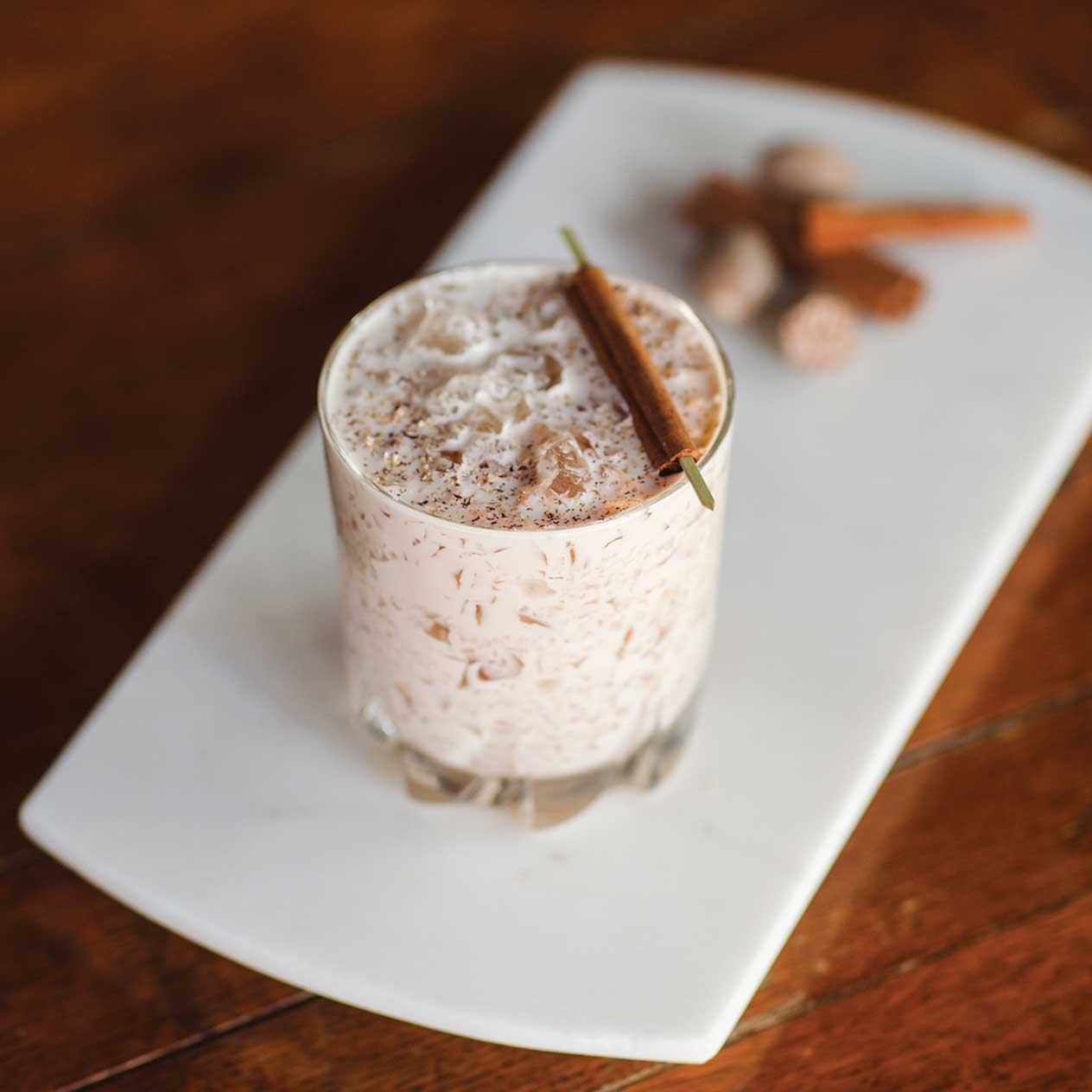
Whiskey Milk Punch
M
Mr. Boston Official Bartender's GuideJun 2026Food Creator
Recipes & Content · 1022 · Page 1 of 43
Recipes, cooking tips, and food content from Mr. Boston Official Bartender's Guide
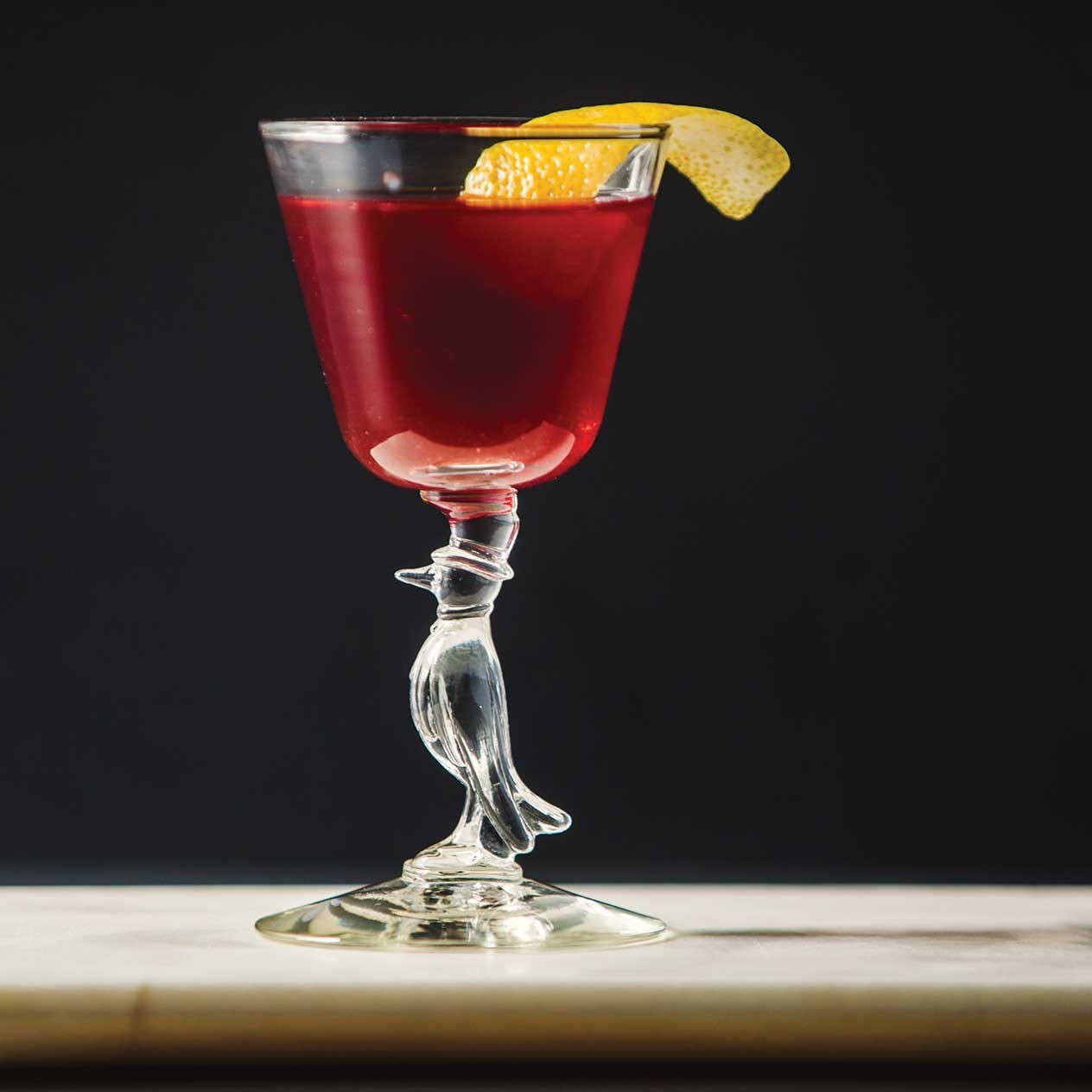
The Martinez is a tricky cocktail to pin down. Even in its earliest mention in 1884, the author provides not one, but two different recipes for this tasty tipple. Although many people consider it to be the missing evolutionary link between the Manhattan and the Martini, lots of people don't even know it exists. So what keeps the Martinez going? A lot actually. First of all, the Martinez is actually the predecessor to the Martini, which is widely considered the greatest cocktail ever to be poured. The Martinez plays to a much older style though. Where the Martini is dry and crisp, the Martinez is lush and round with rich spice notes to balance everything out. Like many truly classic cocktails, everyone likes to drink their Martinez a specific way, so feel free to play around until you find yours.
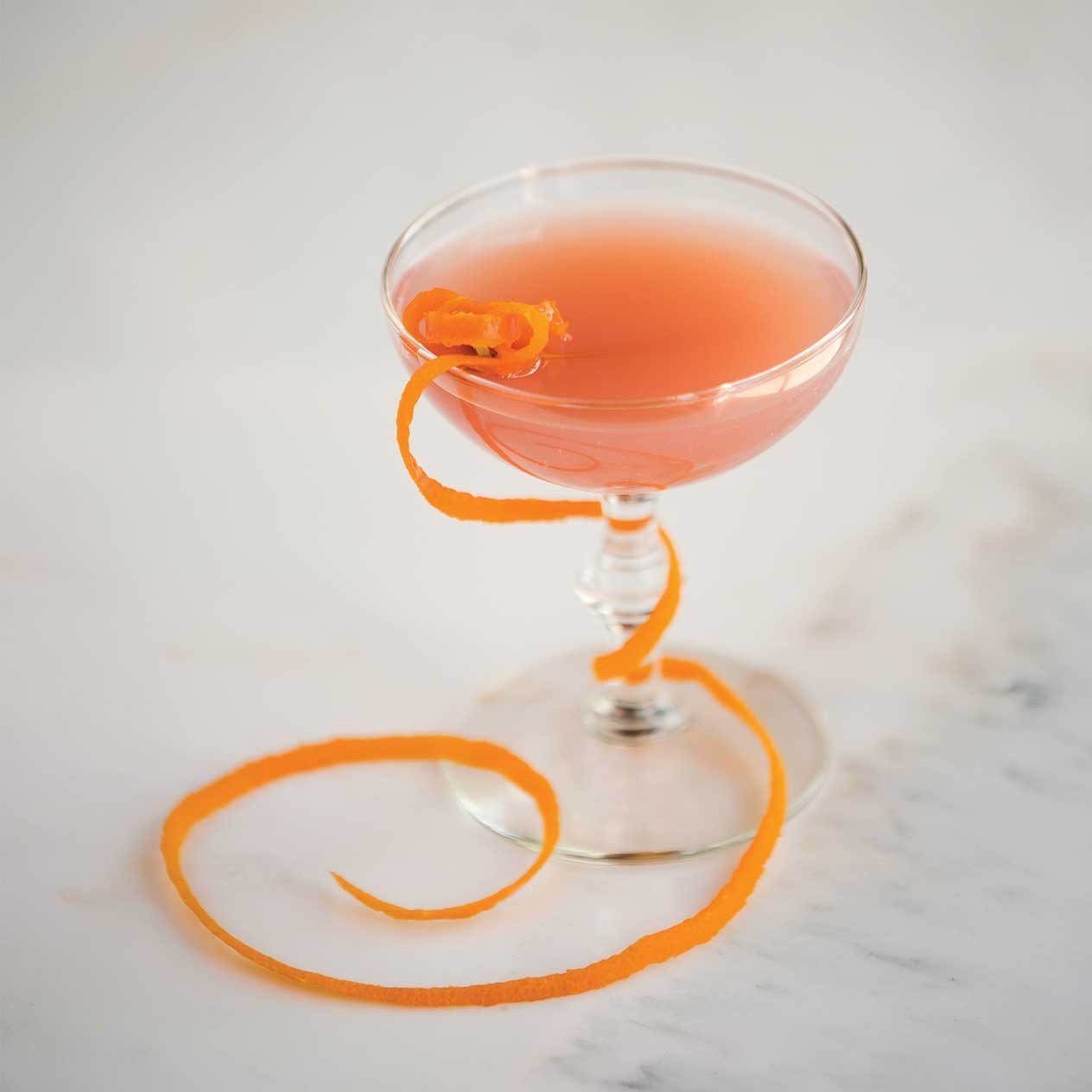
Imagine a perfect summer's day. Maybe you're sitting in a porch swing, maybe you're lying on a beach under an umbrella. A light afternoon breeze flutters gently by. You take a deep breath and bask in the glory of it all, and then you think to yourself, “I could really use a cocktail.” This is exactly what you need. The combination of gin and elderflower makes the Juniper Breeze #1 the perfect cocktail for lazy summer afternoons. It was created by one Ms. Julie Reiner, who has become somewhat of a fixture in the New York cocktail scene over the past 15 years. She has worked with a number of New York's finest establishments and is a co-owner of the Flatiron Lounge, where she says that this drink is very popular with her guests.
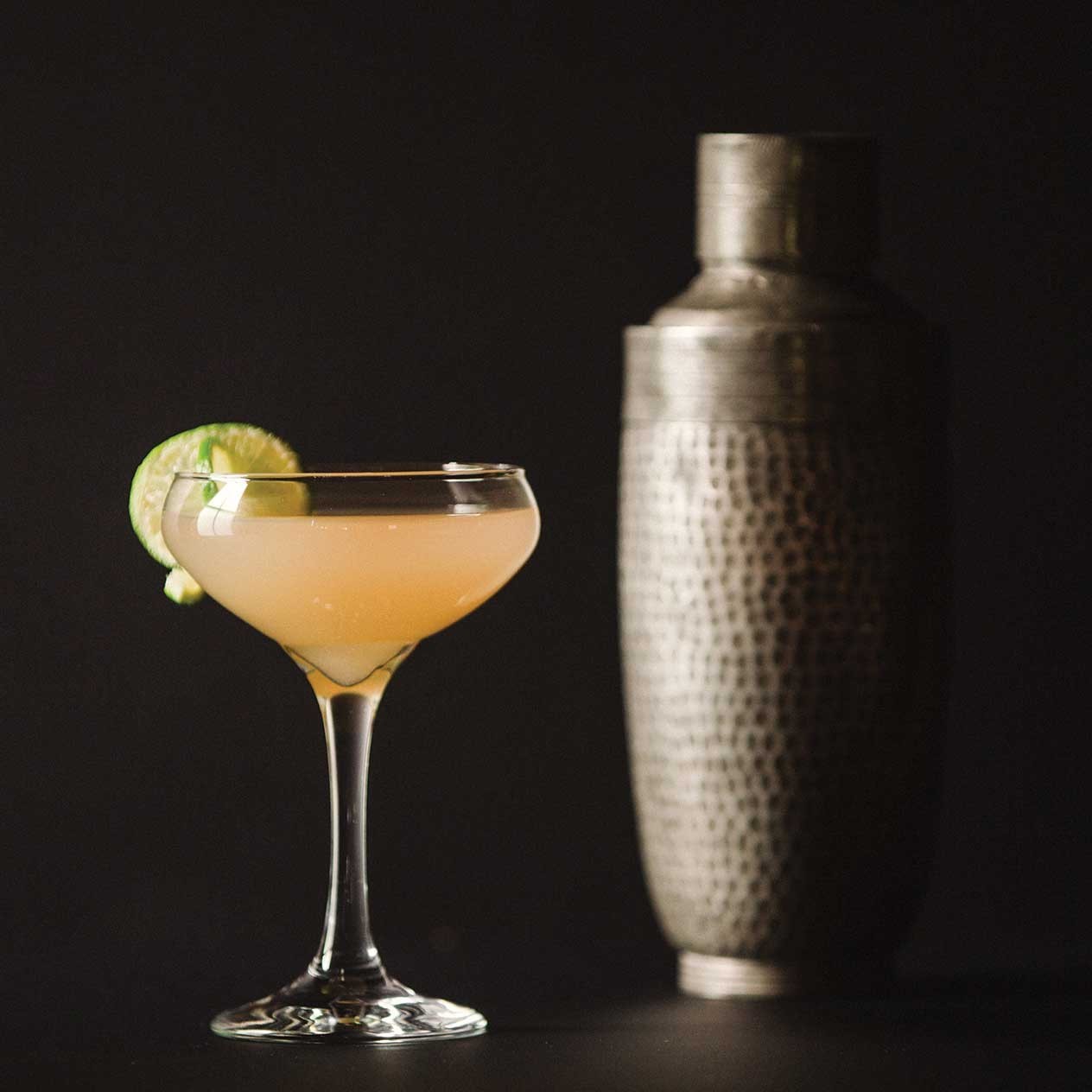
There are many variations on the story of how the Hemingway Daiquiri came to be, but the general consensus is that the story begins with a bathroom break. While passing by El Floridita, a popular bar in Havana, Mr. Hemingway stopped off to answer nature's call and make use of the facilities. On the way out, he noticed the bartender preparing a large batch of Daiquiris and, not wanting to miss out on an opportunity, decided to try one. He told the bartender that he preferred his Daiquiris with no sugar and twice the normal dose of rum. The bartender made one as requested and named it after him. After the double dose of rum, the story gets a little fuzzy. Perhaps the bartender wasn't quite satisfied with the drink and decided to doctor it up with Maraschino and grapefruit juice. However it happened, this is an exceptional cocktail.
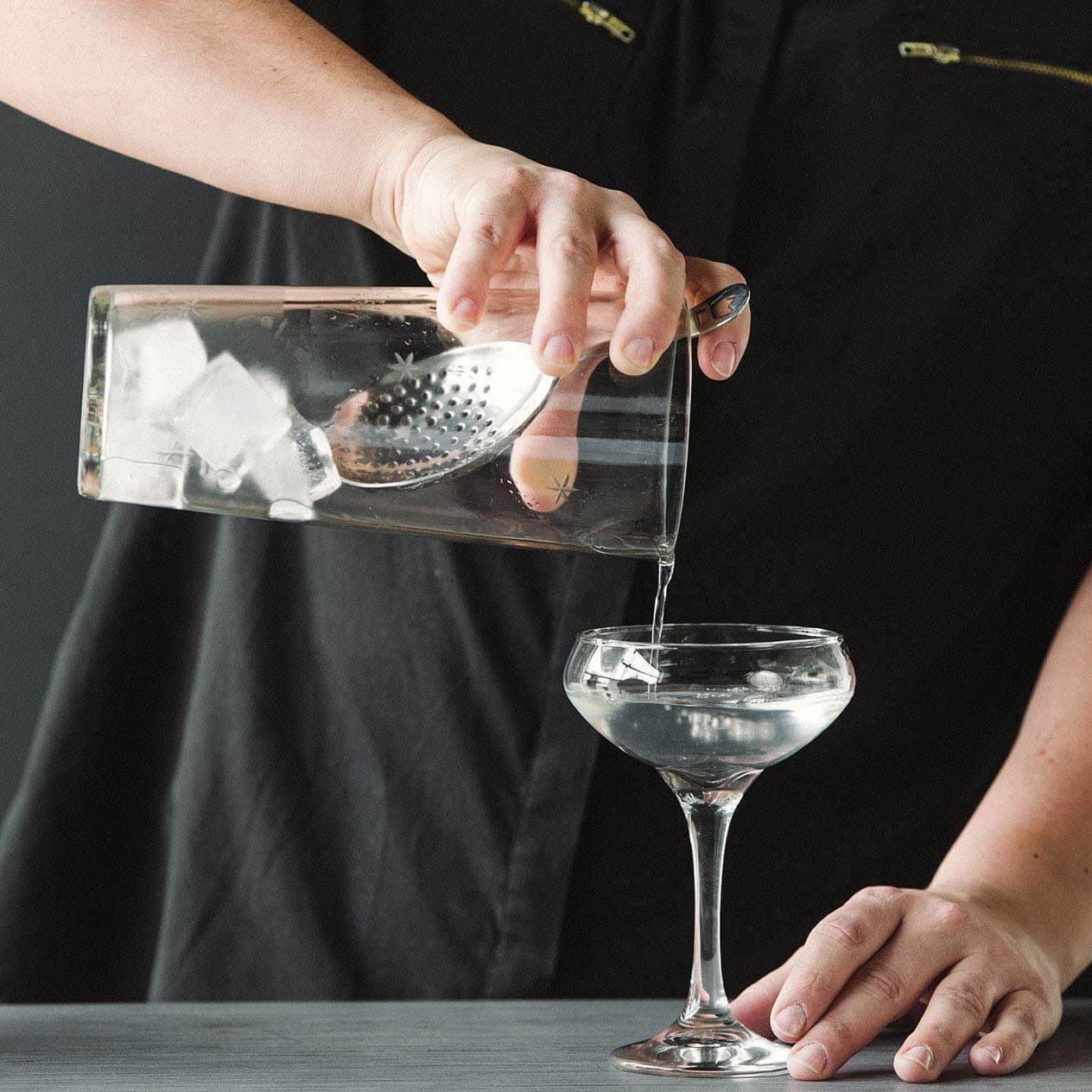
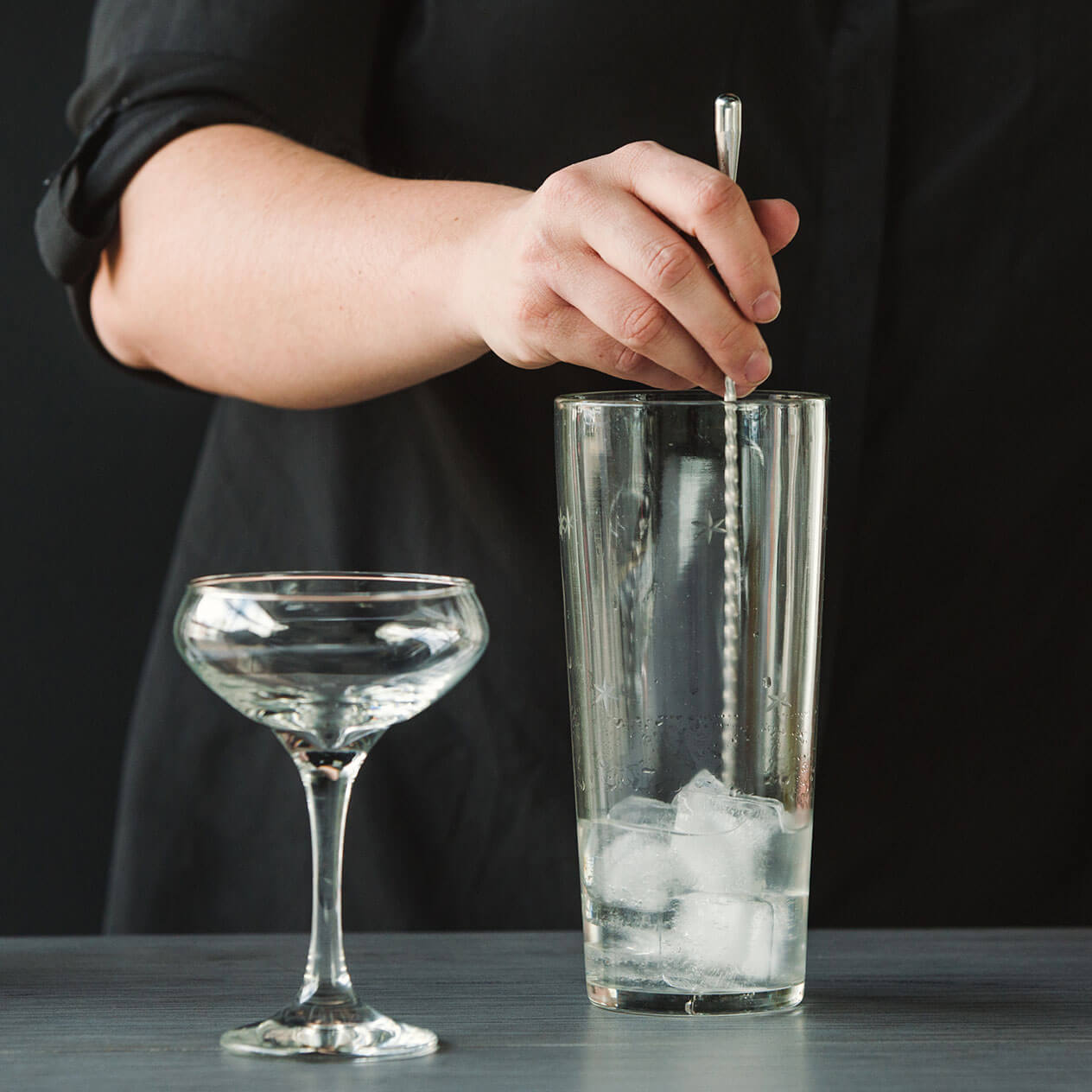
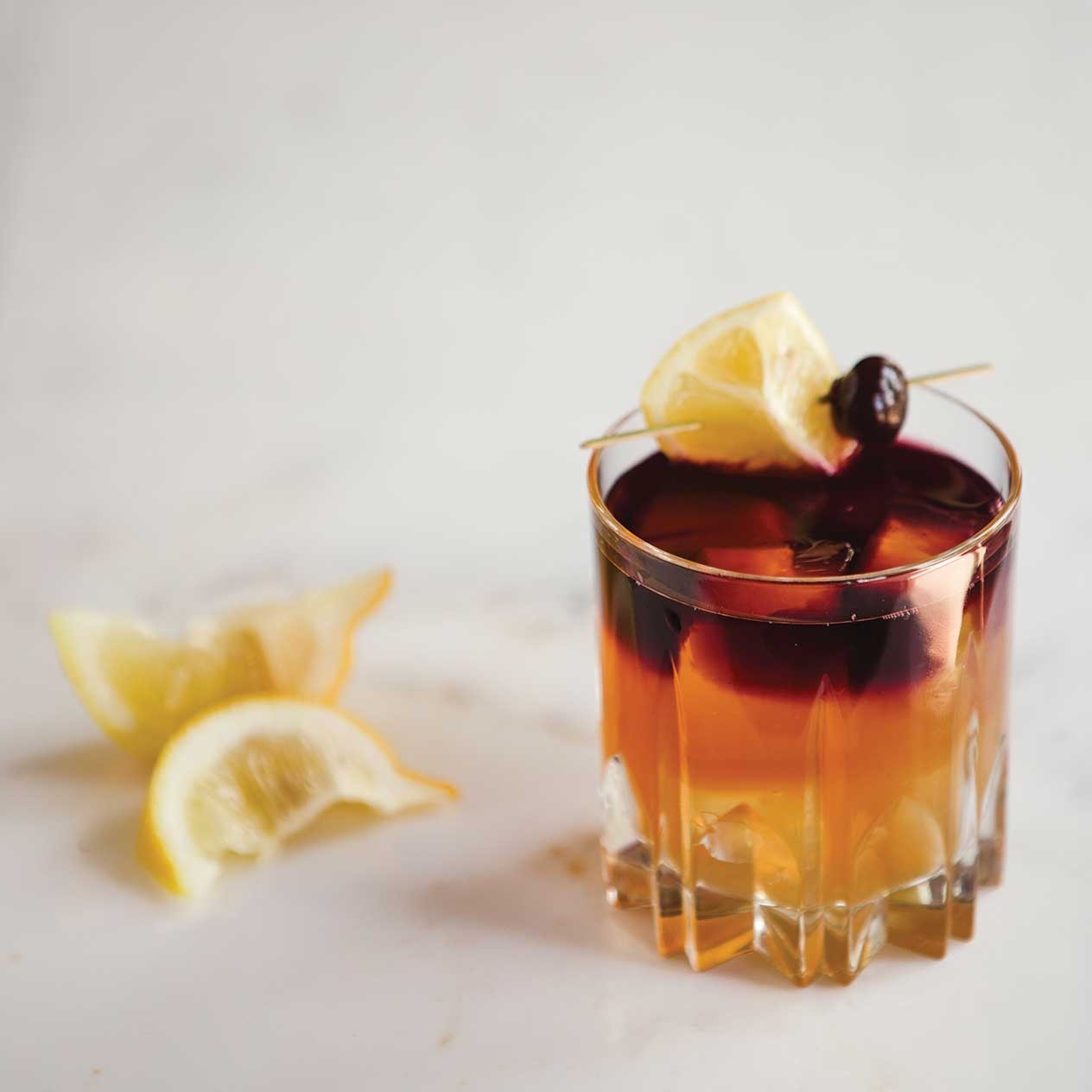
The New York Sour has gone by many names. Most people believe that it actually originated in Chicago, where it was called a Continental Sour, then made its way south, where it was called a Southern Whiskey Sour, before finally making its way up the East Coast into New York. Whatever you call it, it's an absolutely delicious—not to mention gorgeous—drink. If you can make a whiskey sour, you've already got the bulk of the technique needed for this tasty tipple. You can omit the egg if you like, but doing so will reduce the body and texture of the drink. Floating the red wine is simple enough. All you need is the back of a spoon and a steady pour. This drink is sure to impress whiskey and wine-lovers alike. Plus layering drinks is an impressive party trick.
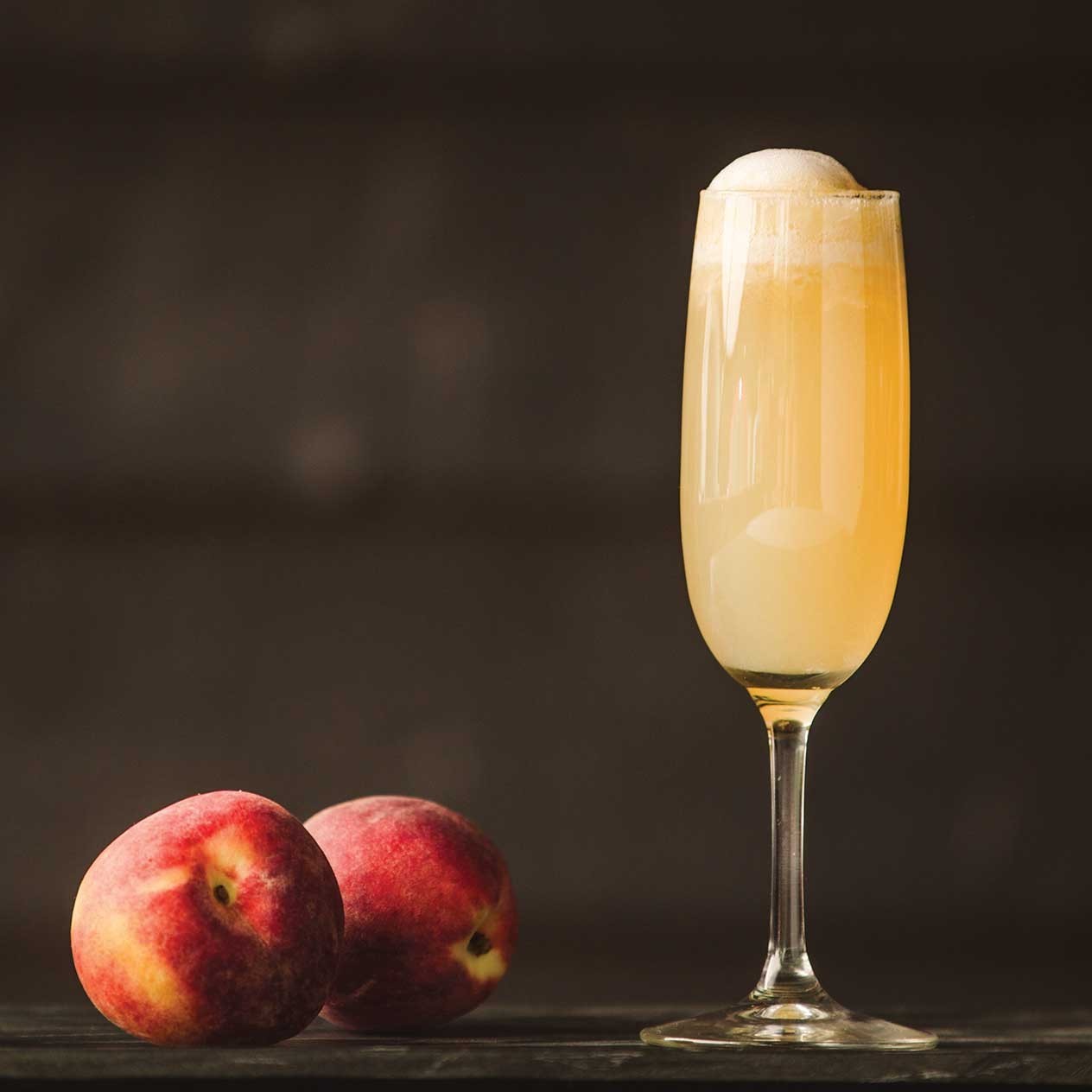
Simplicity. It's the mark of a true Bellini. Fresh white peach puree and crisp, fizzy Prosecco. Italian summers are heavily perfumed by the abundant number of peaches that grow throughout the country, and there is a long history there of marinating these succulent fruits in local wines. In 1948, Giuseppe Cipriani created the first Bellini at Harry's Bar in Venice in an attempt to transform his favorite fruit into a cocktail for his patrons. His invention was a huge success, but the Bellini remained a seasonal treat until a French entrepreneur devised a method of freezing the fresh peach puree so that Mr. Cipriani could serve them year-round. The name is said to be inspired by the colors used by Venetian painter Giovanni Bellini in many of his works. An excellent choice for brunch, but perfect for humid summer evenings spent outdoors.
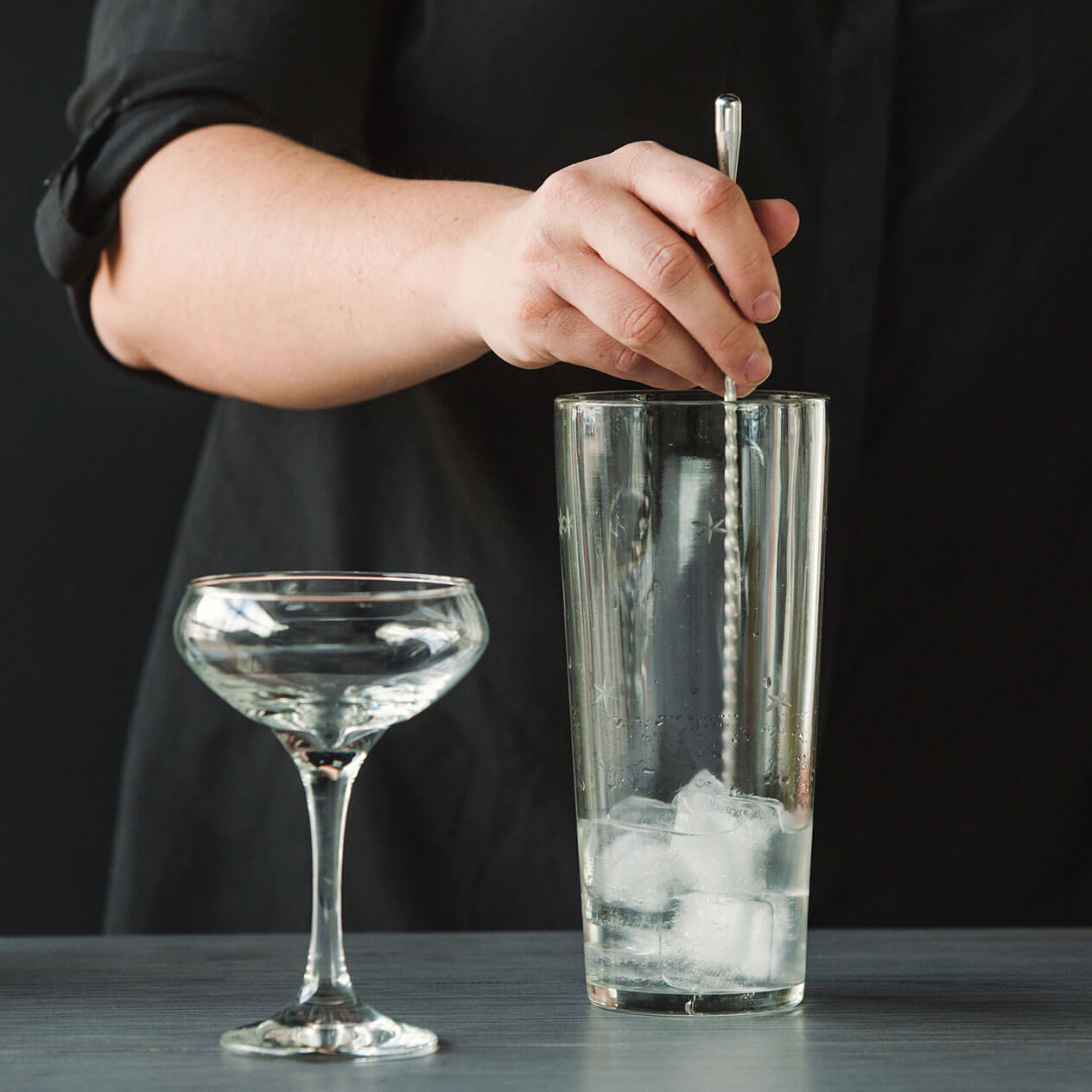
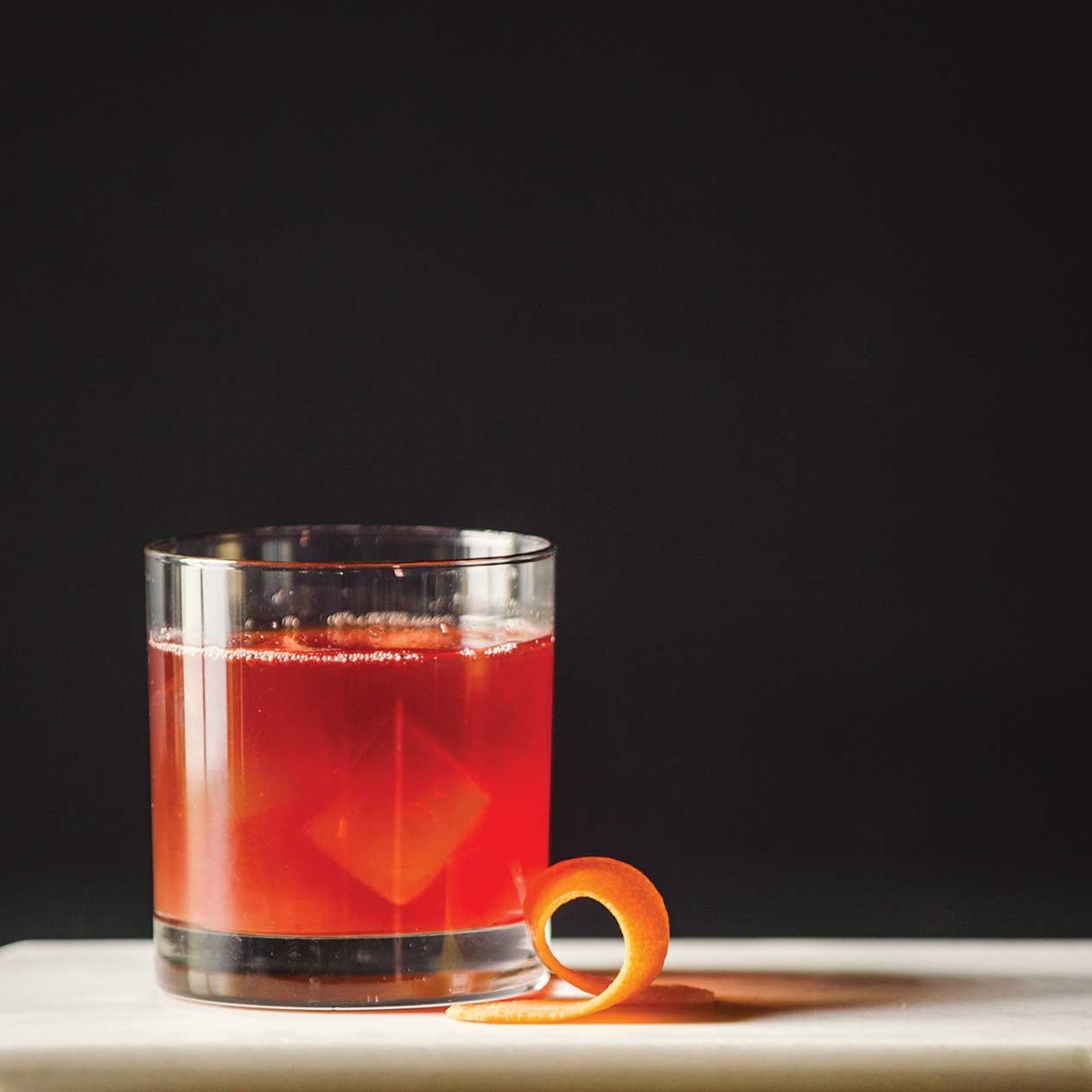
Some people say that history is a matter of perspective. The history of the Old Fashioned is precisely that. “Old Fashioned” is thought by many to have originally been applicable to any drink. It would have been like ordering a cocktail “the old-fashioned way”, which probably varied about as much as house rules in a game of Monopoly. In any case, the cocktail we now know as the Old Fashioned is said to have originated at the Pendennis Club in Louisville, Kentucky. Mixing drinks in the heart of bourbon country, it seems likely that the bartender would have used bourbon, but the Old Fashioned is also commonly made with rye whiskey for a drier and lighter cocktail. Several recipes call for muddled fruit and soda water, and there's nothing wrong with that per se. We prefer the more basic method though, as it really brings the whiskey to the foreground.
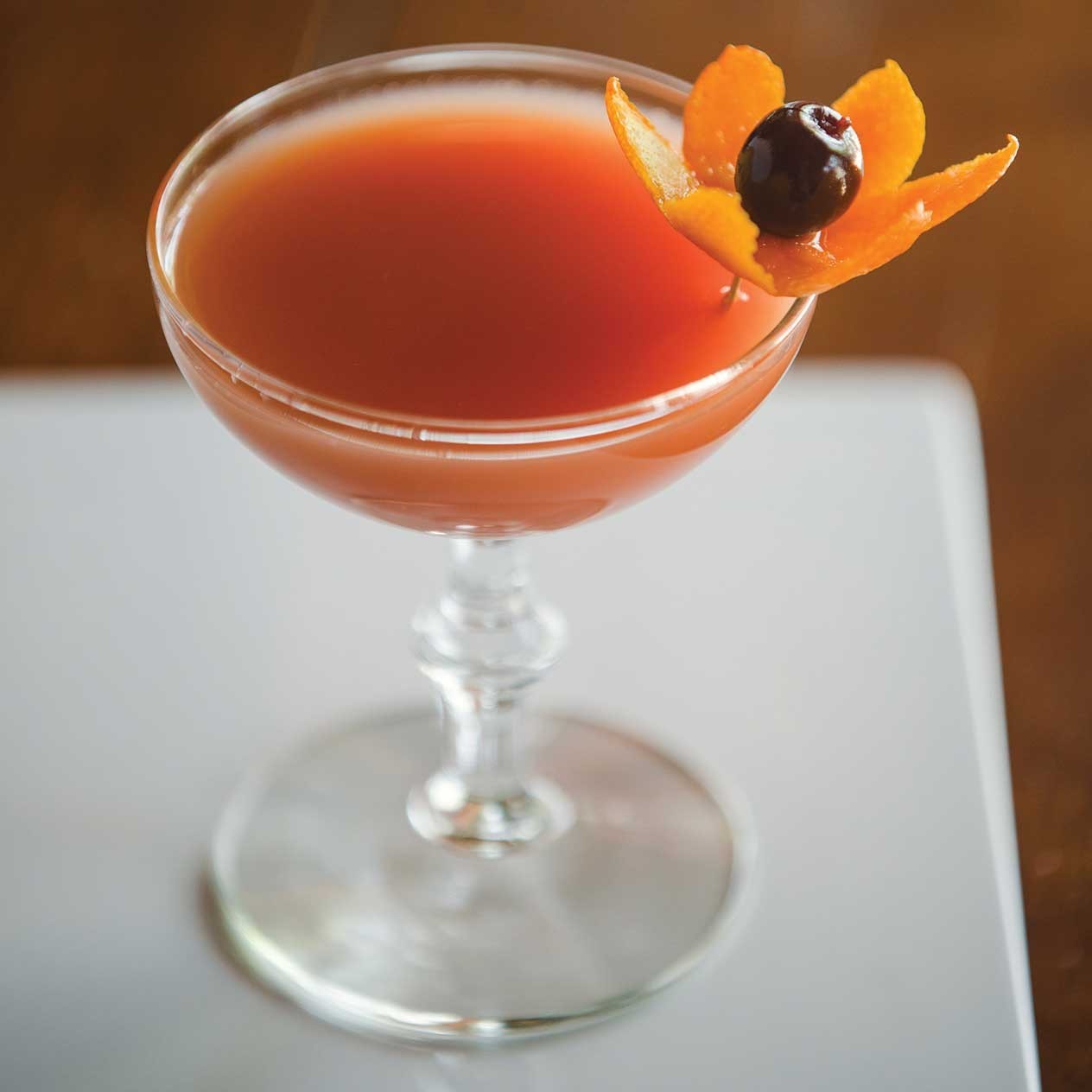
Appreciating the name of this cocktail takes a bit of a dark sense of humor. It is credited to Harry MacElhone, who owned the famous Harry's New York Bar in Paris. MacElhone named this drink for medical experiments carried out by a Russian doctor named Serge Voronoff. It seems that Voronoff, who was seeking a medical method of rejuvenation performed several experiments in which he grafted tissue from the naughty bits of monkeys onto humans. Whether or not his work was successful, this cocktail is certain to revitalize. The use of real grenadine will really pop against the backdrop created by the orange juice, and will help highlight the sweeter notes of the gin. If you're up for a bit of experimentation yourself, try adding a dash of absinthe. Even a few drops can add a whole new dimension to this cocktail.
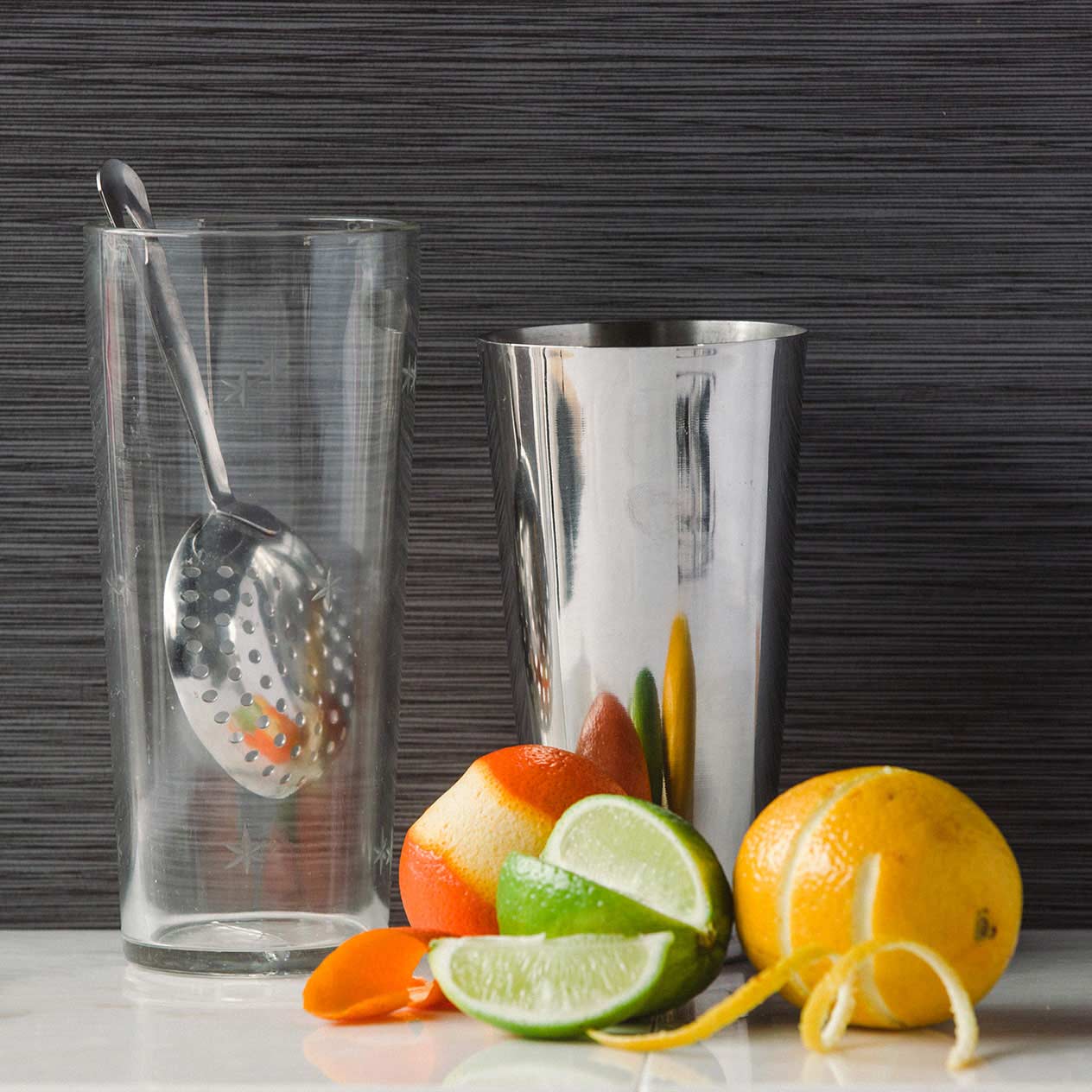
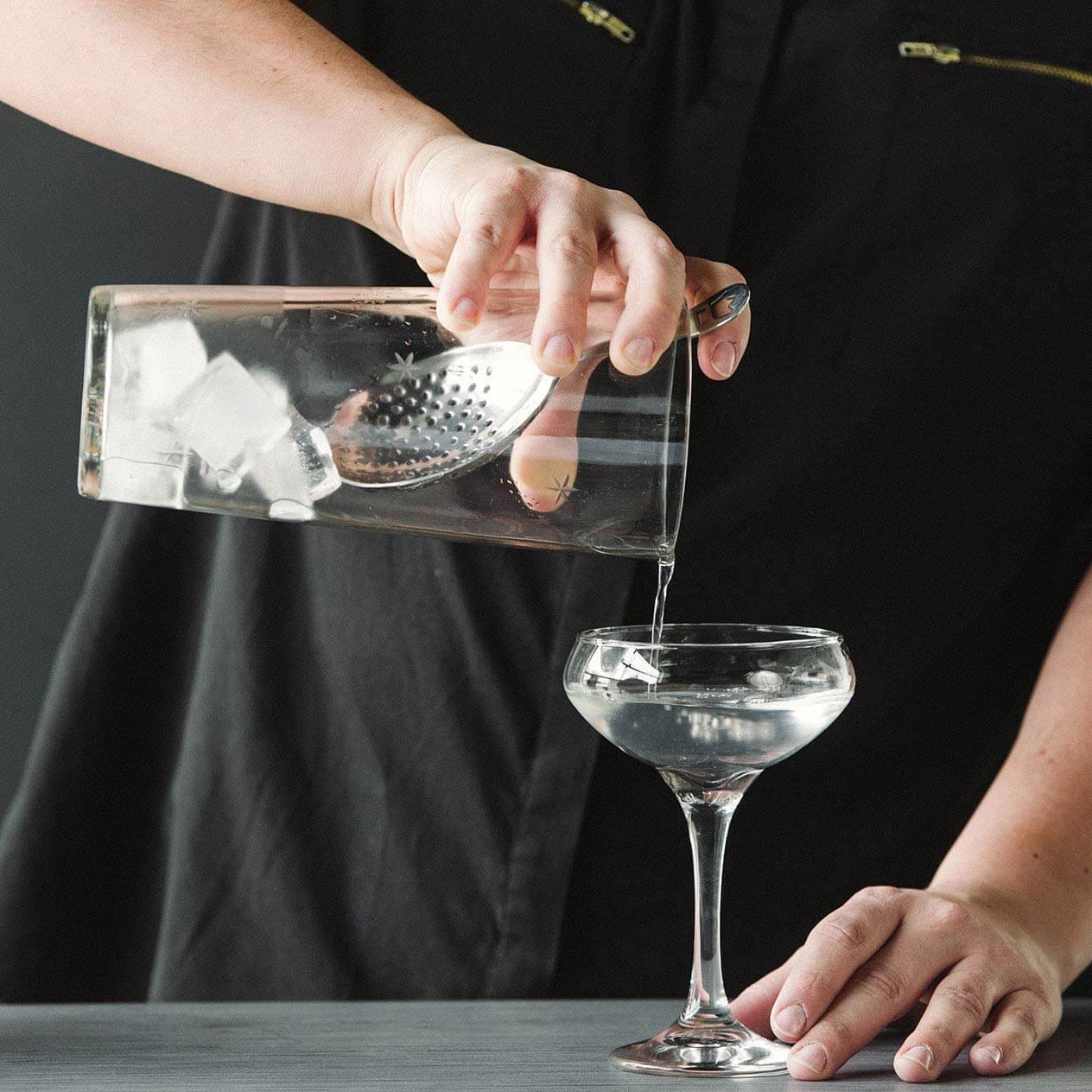
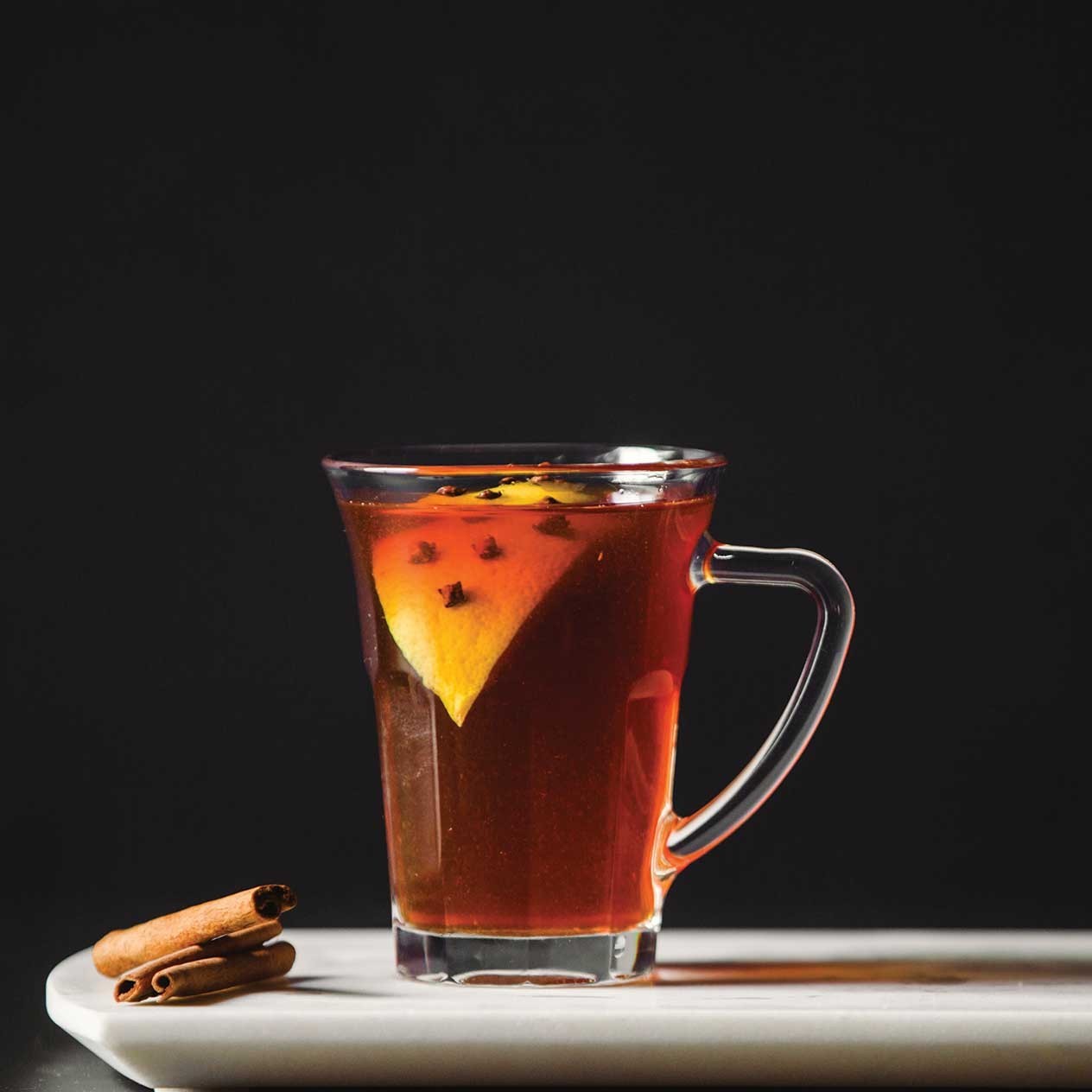
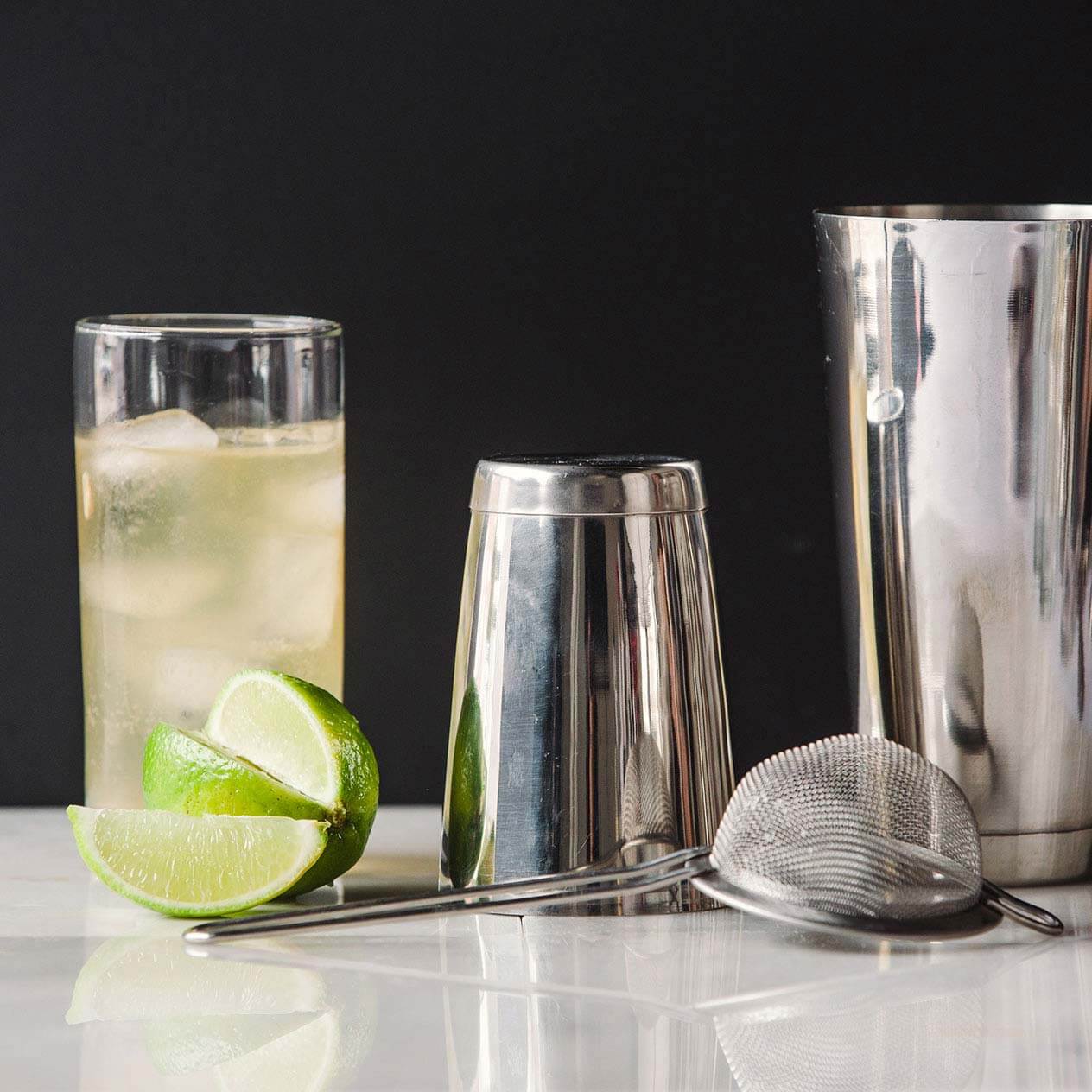
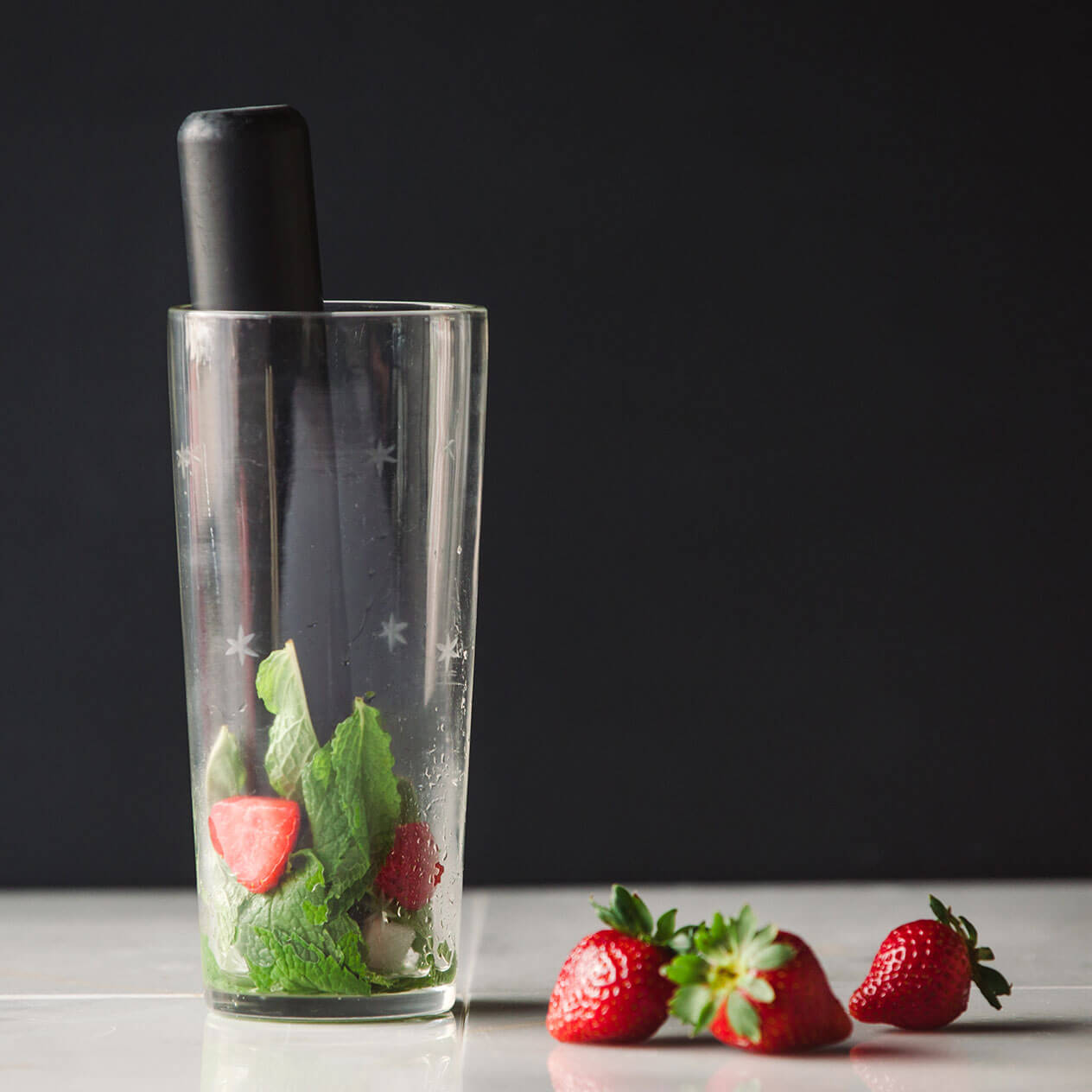
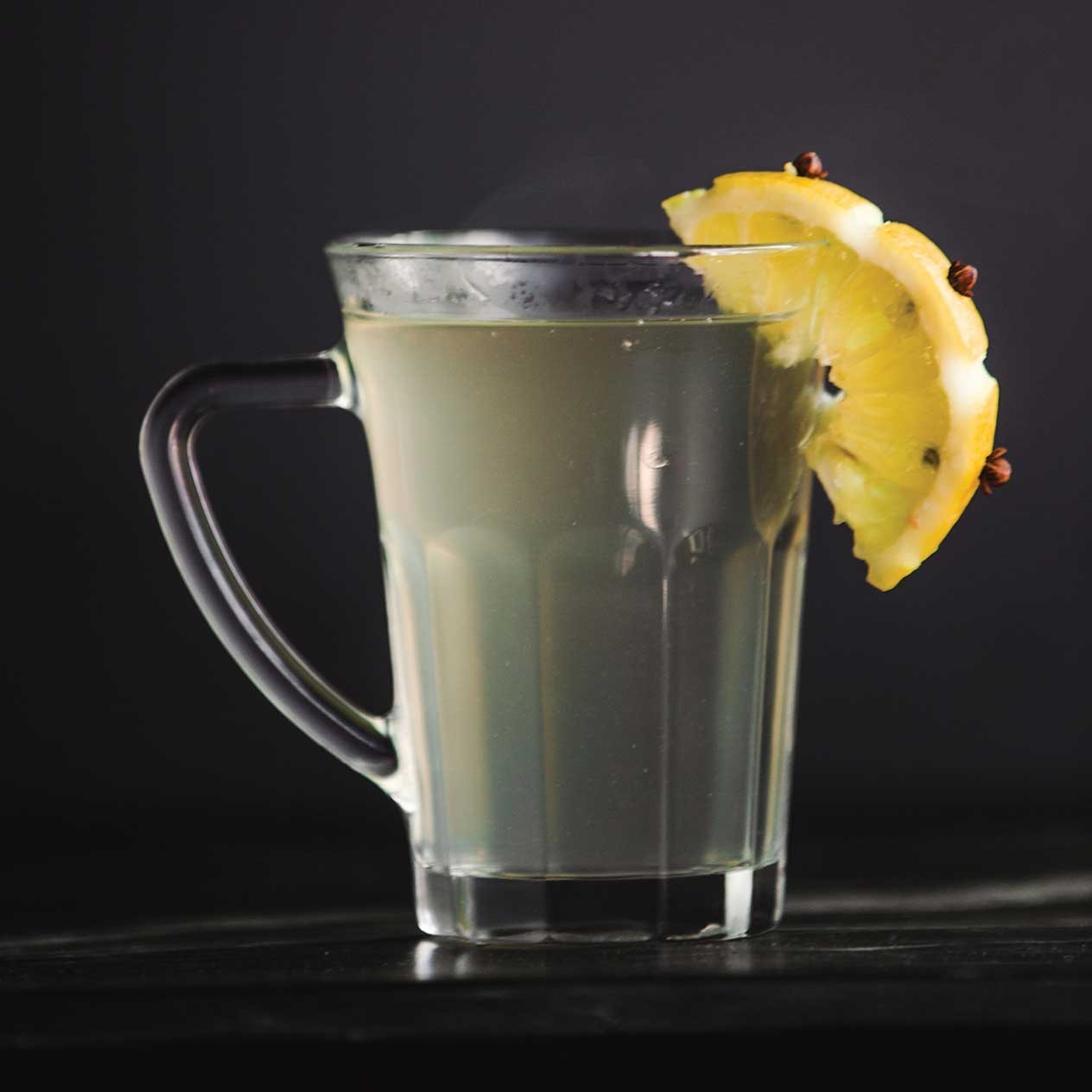
Water, water everywhere, and not a drop to drink. Such has always been the obstacle on long sea voyages. Before ships had electricity and refrigeration—in other words, throughout most of history—sailors had to find ways to stay hydrated whilst aboard their ships. Wine and beer quickly turned sour, and water went stale, grew algae, and became slimy. Sometime in the mid-1700s, Vice Admiral Edward Vernon issued an order for rum to be mixed with his ship's water supply to keep it from spoiling. His trick worked, and became standard practice amongst many sailors. The name “Grog” is a nod to Vice Admiral Vernon, who was nicknamed “Old Grog” because of a grogram jacket he often wore. Given his popularity amongst his crew, they dubbed the mixture “Grog” in his honor.
For creators
CookOS gives your recipes a clean, ad-free home your fans will love: no 2,000-word life stories, nothing burying your work. Claim your profile to control how your recipes, links, and story show up, with tools built to grow your audience and your content.