Beef Tongue Tacos (Tacos de Lengua)
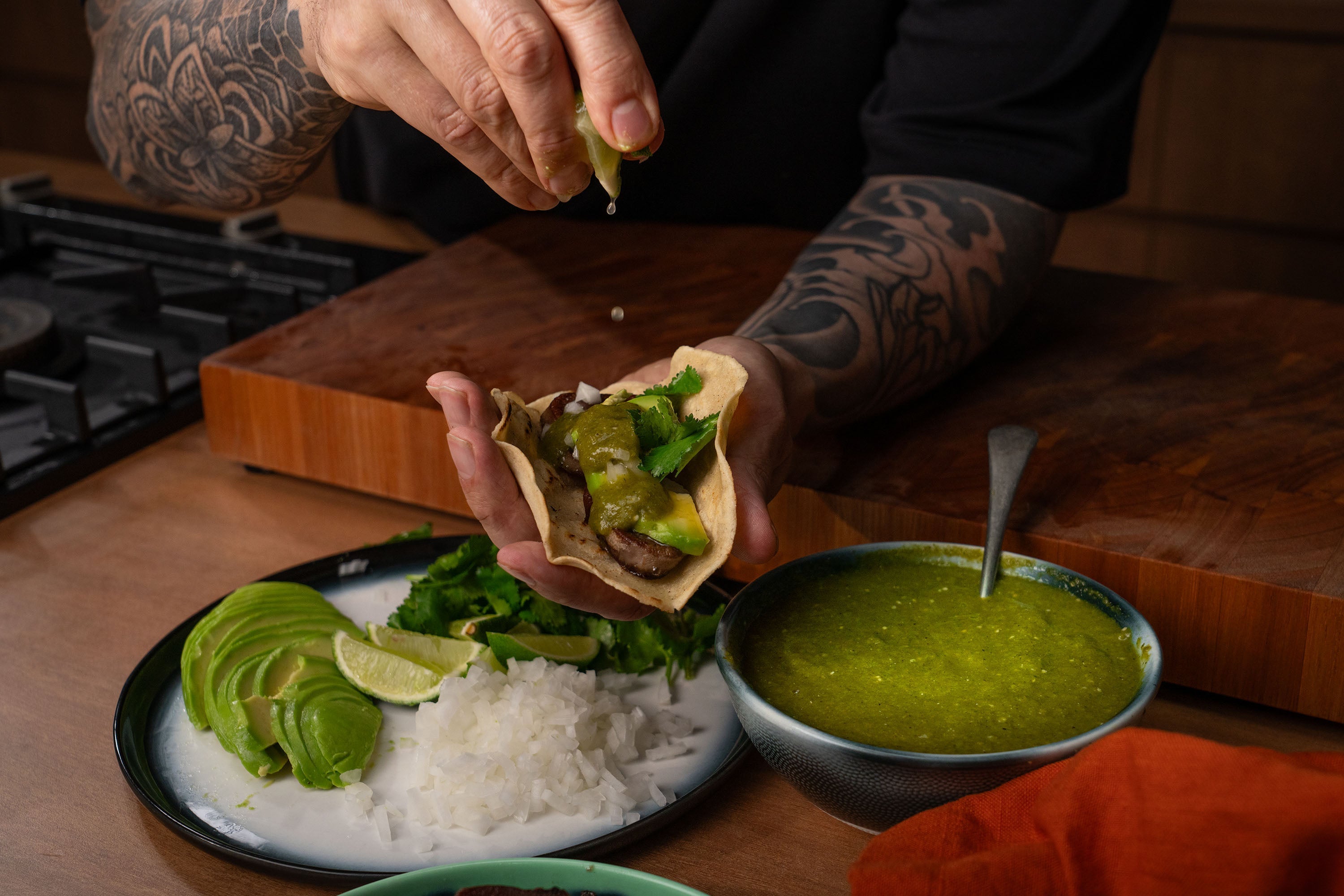
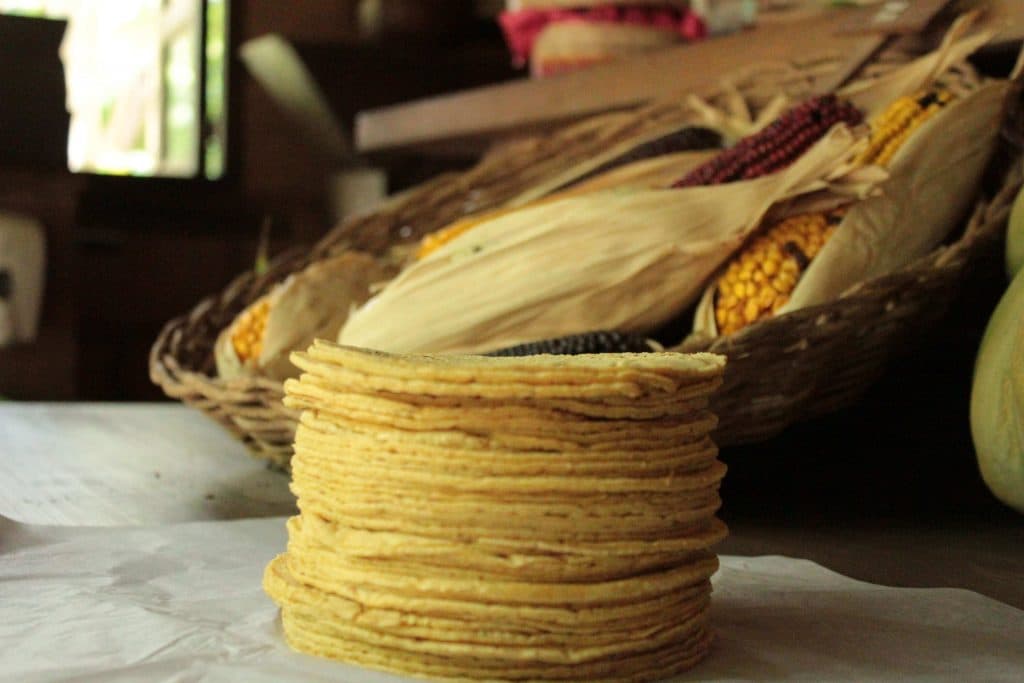
Tacos de lengua are a fixture on taco menus across Mexico for good reason. Beef tongue is a cut that rewards patience: a 3-hour braise with onion, garlic, bay leaves and peppercorns in chicken stock renders the meat completely tender. Once it’s cool enough to handle, the thick outer skin peels off cleanly, leaving you with rich, deeply flavoured beef. The final step is a hard sear in batches in a very hot pan to develop a caramelised crust. That combination of soft braised interior and browned exterior is what makes tacos de lengua worth the effort, and it’s a cut that tends to convert people who have never tried it before. The tortillas are made from masa harina, a nixtamalized corn flour that gives you corn tortillas from scratch. The dough takes about five minutes to mix and knead, then rests for 30 minutes before you press and cook each one. The salsa verde is charred jalapeño, garlic and onion blended with canned tomatillos and the coriander leaves reserved from the braise. It takes about ten minutes and cuts through the richness of the tongue well. Most of this dish can be prepped ahead and it will hold comfortably for a group. Ingredient NotesBeef tongue: Beef tongue is a whole muscle sold as one piece at butchers and Latin or specialty food stores. It weighs around 1 to 1.5kg and looks nothing like a standard cut of beef at the start: the outside is covered in a thick, rough skin that must be removed after cooking. This skin peels off while the tongue is still warm from the braise. If you let it cool completely first, the skin contracts and tightens and you’ll work much harder to remove it. The cooked meat underneath is similar in texture to short rib: rich, tender and well-marbled with fat. Ask your butcher to order one if it’s not on display. There is no close substitute that gives the same result.Masa harina: Masa harina is dried, ground nixtamalized corn. Nixtamalization is the process of treating corn with an alkaline solution, which changes the structure of the grain, improves its nutritional profile and gives masa its distinctive flavour and binding properties. Masa harina is available at Latin grocery stores and online, and increasingly in the specialty section of major supermarkets. The brand MASECA is the most common and reliable. Store opened bags in an airtight container as the flour can go stale and affect the dough texture.Tomatillos: Tomatillos are a Mexican fruit in the same family as cape gooseberries, similar in size to a small tomato with a papery husk. For this salsa verde they’re used from a can, which is practical and gives a consistent result year-round. Canned tomatillos are already cooked and have a bright, tangy acidity that balances the heat from the jalapeño and richness of the tongue. You’ll find them at Latin grocery stores and in the international aisle of major supermarkets. If you can find fresh tomatillos, halve them and add them to the pan with the jalapeño and onion to char before blending.EquipmentChopping boardChef’s knifeLarge saucepan with lidBlenderLarge mixing bowlTortilla pressTawa or heavy-based frying panTongs