How to Feed a Sourdough Starter
The 1:1:1 ratio—equal parts starter, water, and flour—is the simplest method for maintaining a healthy, active sourdough starter. This guide shows you how to feed on schedule and identify a starter that has spoiled.
The 1:1:1 ratio—equal parts starter, water, and flour—is the simplest method for maintaining a healthy, active sourdough starter. This guide shows you how to feed on schedule and identify a starter that has spoiled.
Check what you already have. We'll leave it off your shopping list.
CookOS may earn a commission from Instacart orders.

Prices vary by store
*Service fees apply. Instacart® and the Instacart logo are registered trademarks of Maplebear Inc. d/b/a Instacart.
Before feeding, inspect your sourdough starter. If it has any orange or pink streaks, or anything fuzzy/moldy, it has developed bad bacteria and must be thrown away. A healthy starter should smell like bread or yeast.
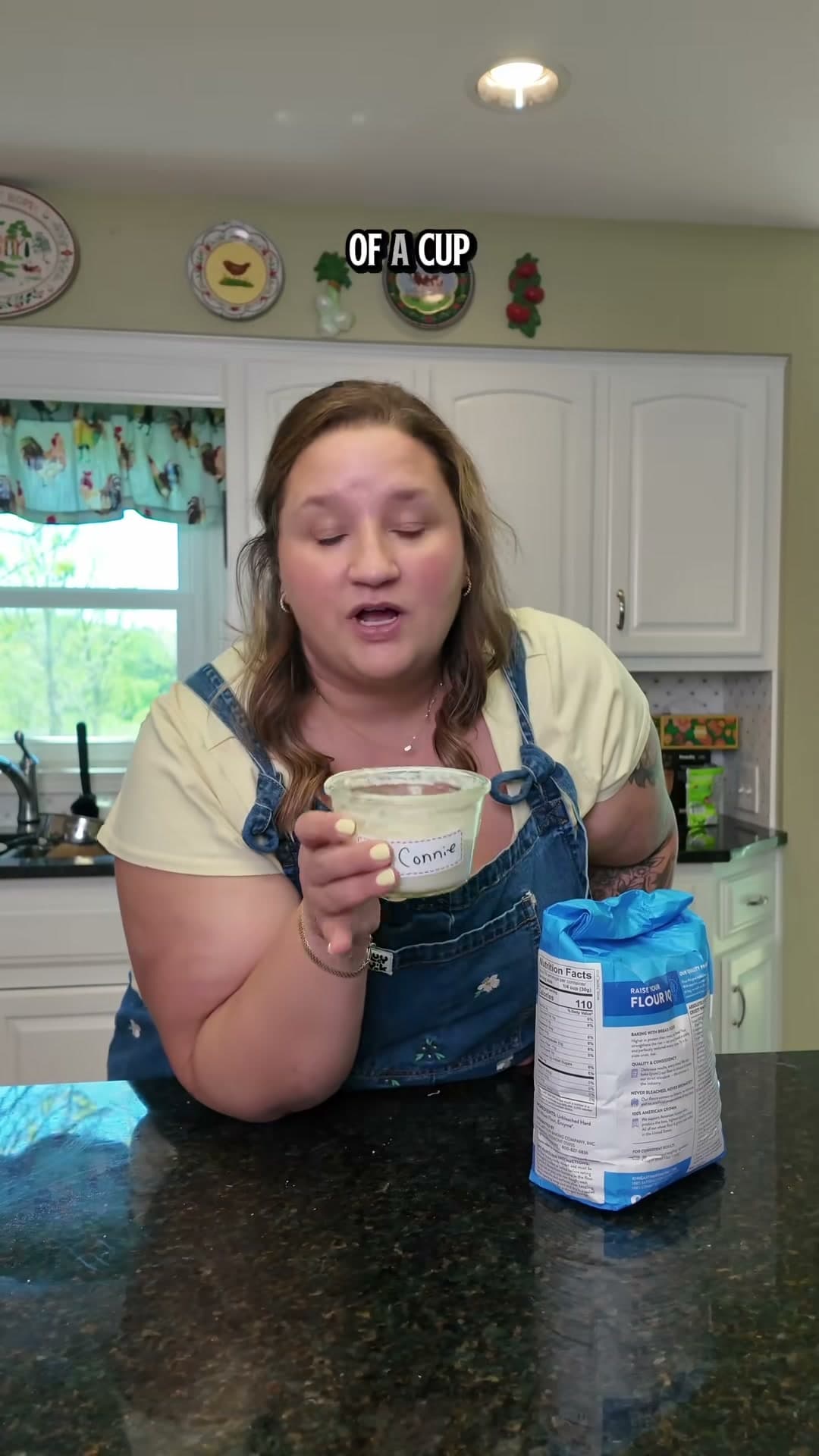
Discard about half of your active sourdough starter. You should be left with approximately 1/4 cup.
Add 1/4 cup of water to the jar with the remaining starter.
Add 1/4 cup of all-purpose flour to the jar.
Using a spatula or spoon, stir everything together thoroughly until no dry flour remains. Scrape down the sides of the jar to incorporate all the ingredients.
Wipe the rim of the jar clean. Place the jar on a small plate to catch any potential overflow as the starter becomes active and rises.
Keep starter in a jar at room temperature (68–75°F) if feeding daily, or in the refrigerator between feedings for a slower pace. Refrigerated starter can go 1–2 weeks between feedings.
glass jar (at least 1-quart capacity) · kitchen scale (recommended for accuracy) · spoon or spatula for mixing
Mix equal weights (or volumes) of active sourdough starter, water, and all-purpose flour. For example: 1/4 cup starter + 1/4 cup water + 1/4 cup flour.
Feed once daily if keeping it at room temperature, or once weekly if storing in the refrigerator. Adjust frequency based on your kitchen temperature and how active the starter is.
Look for mold (fuzzy growth), an off or acetone-like smell beyond typical sourness, or a pink/orange tint. A healthy starter smells pleasantly sour and shows bubbles and rise after feeding.
Yes, whole wheat or rye flour can be used, though all-purpose flour is standard. Whole grains ferment faster and may require more frequent feedings.
Yes, discard half the starter before feeding to prevent overflow and maintain a manageable volume, unless you are first building or reviving a starter.