Fresh Seafood Experience in Queens
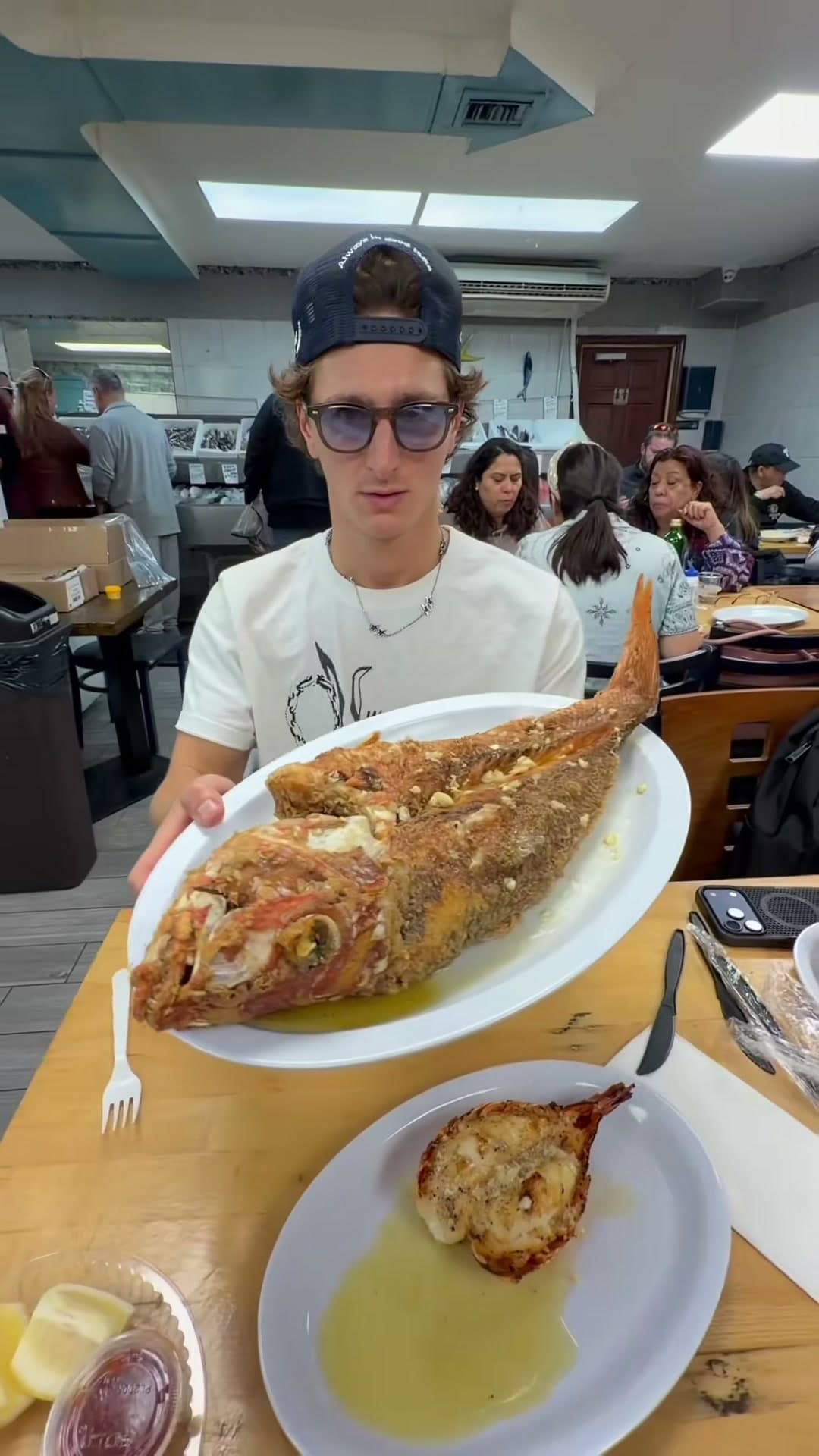
A whole snapper fried until the skin crackles, served with house-made tartar sauce at a Queens market-to-table seafood spot where diners select their own fresh catch.
Was this review helpful?
Tips & Notes
Pro tips
- Pat the whole snapper completely dry inside and out before breading to ensure maximum crispness of the skin.
- Fry at 350°F for 8–10 minutes per side depending on size; oil temperature drop is the leading cause of soggy skin.
- Score the skin crosshatch-style before frying to prevent curling and encourage even crisping.
- Let the fried snapper rest 2–3 minutes on paper towels before serving to let residual moisture escape.
Substitutions
- Snapper → branzino, sea bream, or porgy (similar size and texture)
- Homemade tartar sauce → store-bought (acceptable but less flavorful)
Storage & make-ahead
Fried snapper is best eaten immediately; store leftovers in an airtight container for up to one day and reheat gently at 325°F until warmed through.
Equipment
deep fryer or large heavy-bottomed pot · instant-read thermometer
Common Questions
How do you know when a whole fried snapper is done?
The skin should be golden and crispy, and the flesh near the backbone should flake easily with a fork without any translucency.
Can you make tartar sauce ahead of time?
Yes, homemade tartar sauce keeps refrigerated for up to one week in an airtight container.
What size snapper is best for frying whole?
Snappers between 1.5 to 2.5 pounds fry evenly and stay moist while developing crispy skin.
Is this dish gluten-free?
Only if the flour coating is replaced with cornstarch or a certified gluten-free flour blend.
Can you substitute snapper with another fish?
Yes, branzino, sea bream, or porgy work well as whole-fried alternatives with similar texture and flavor.