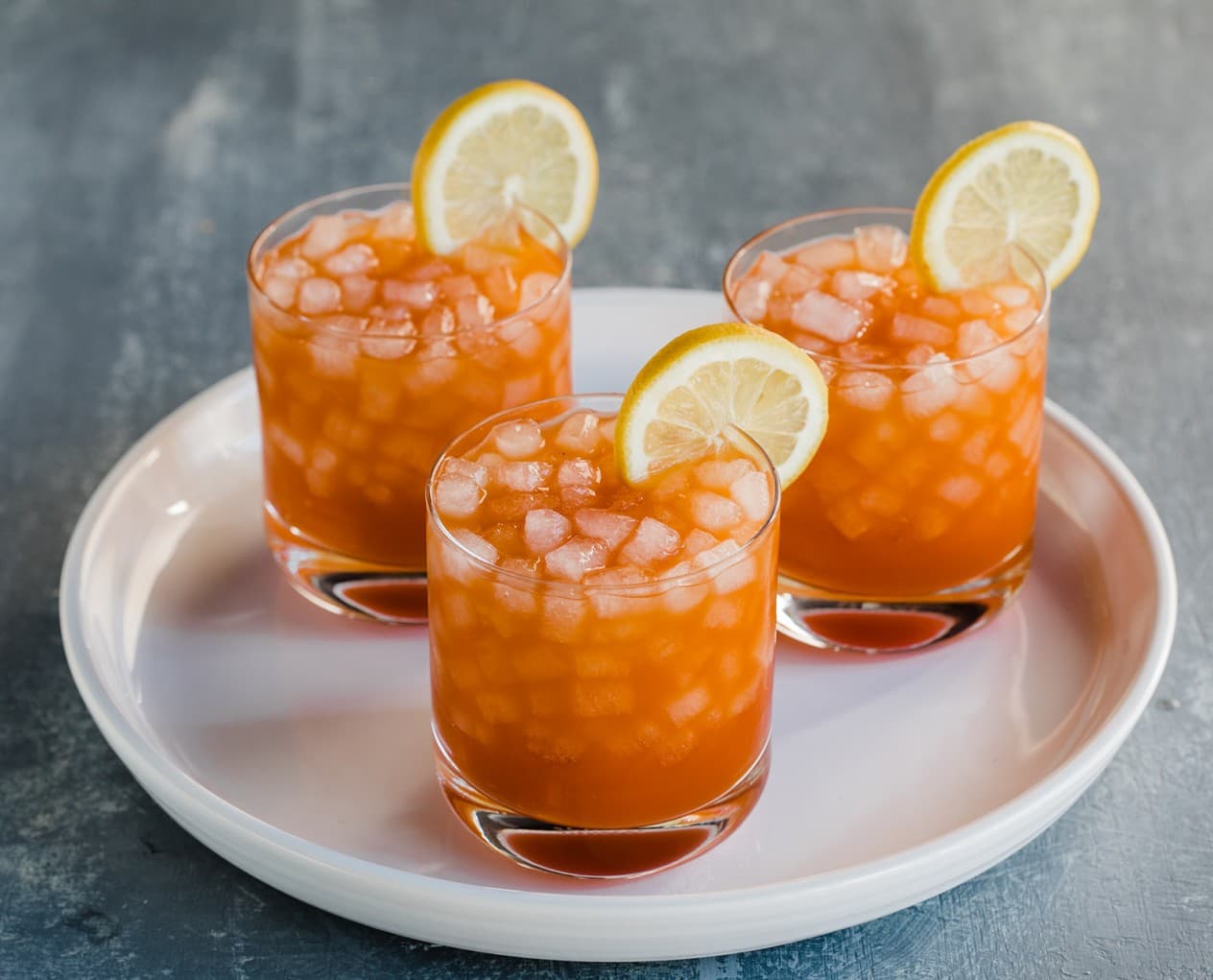
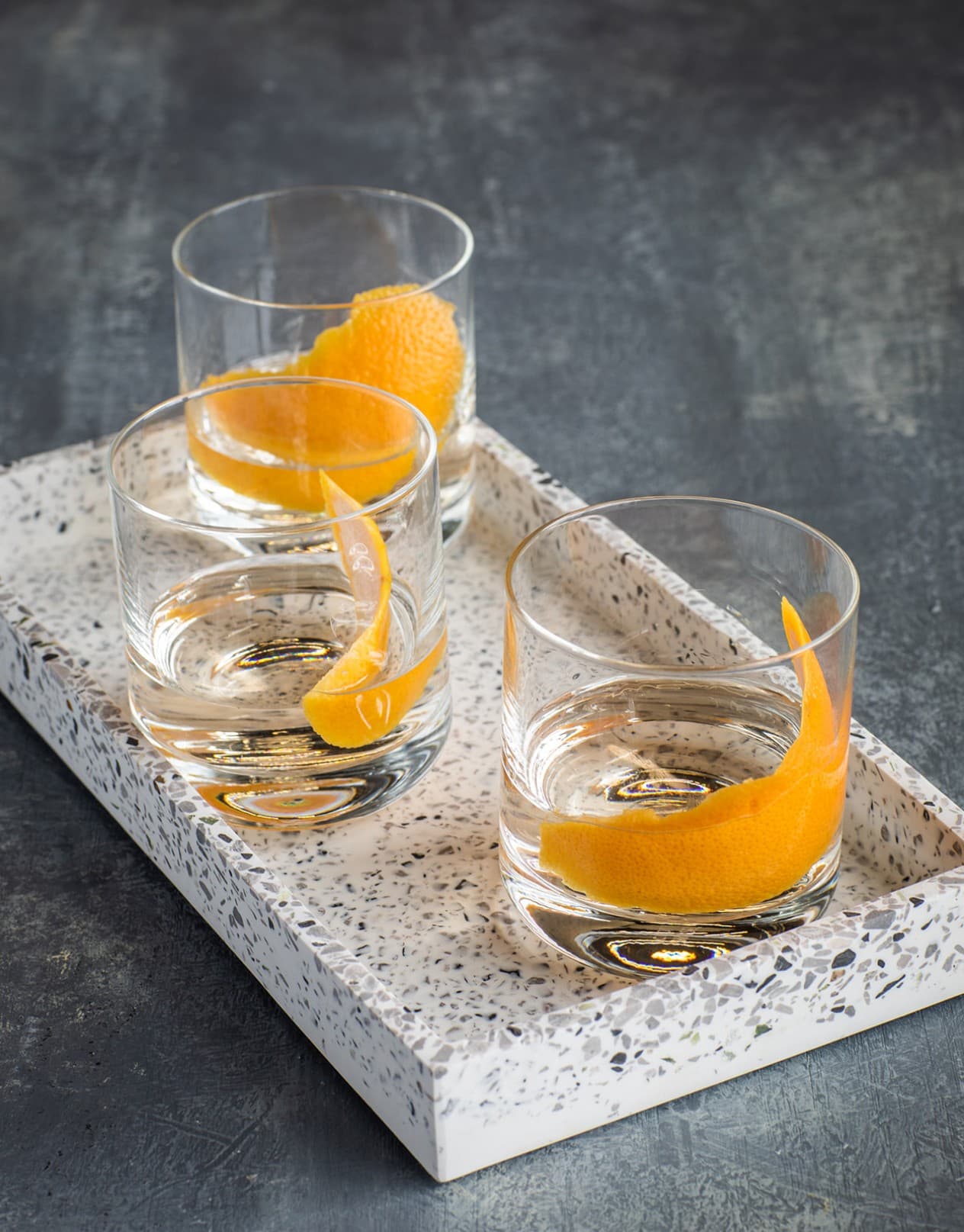
The Sazerac is America's first cocktail, originating in New Orleans in 1850 and traditionally made with rye whiskey, absinthe rinse, and aromatic bitters. This iconic drink balances spice, herbal complexity, and citrus for a sophisticated sipper.
Rye whiskey → Bourbon whiskey (sweeter, less spicy, less traditional)
Absinthe substitute (pastis/pernod) → Absinthe (stronger anise flavor, more authentic but higher proof)
Storage & make-ahead
Cocktails are best served immediately after preparation and should not be stored.
Equipment
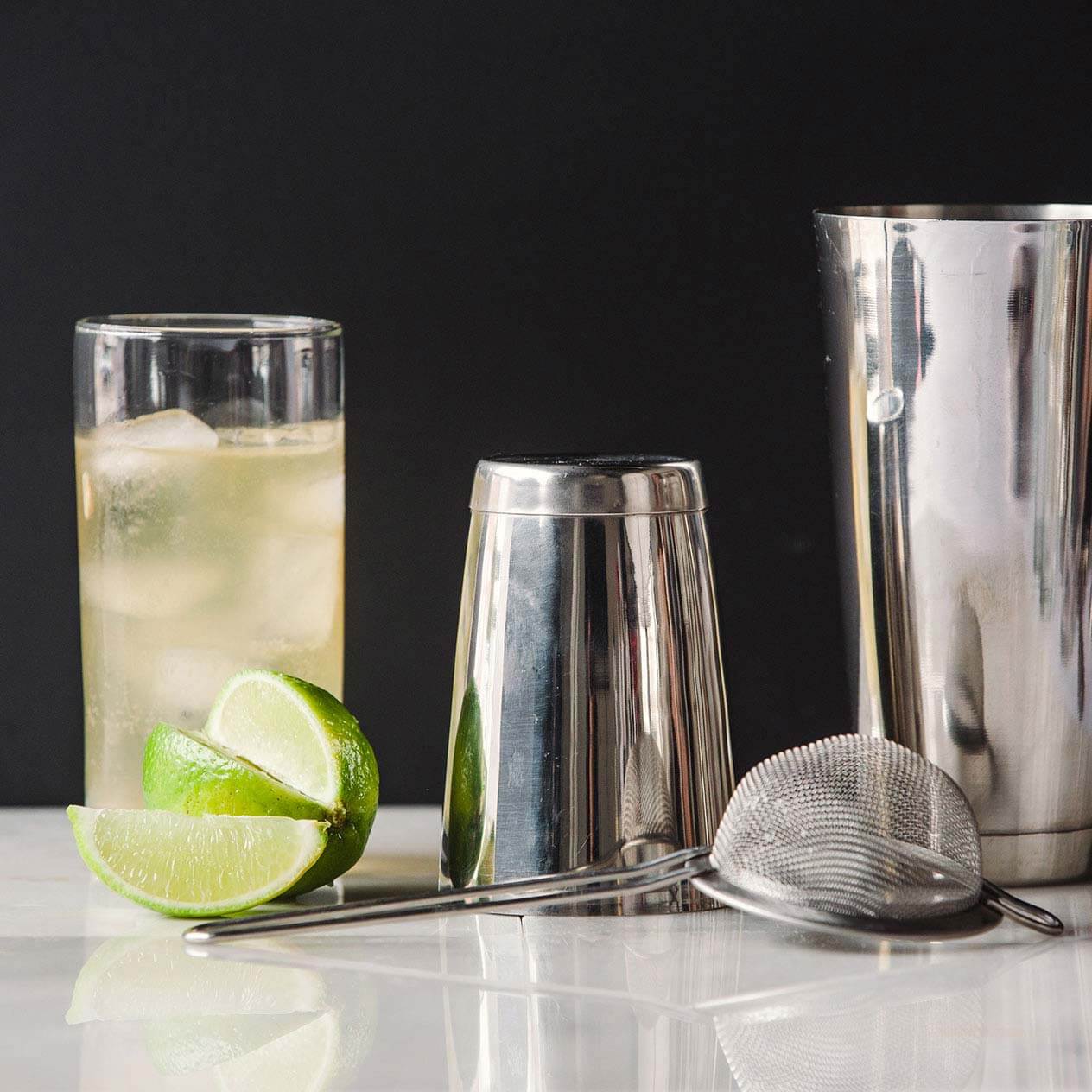
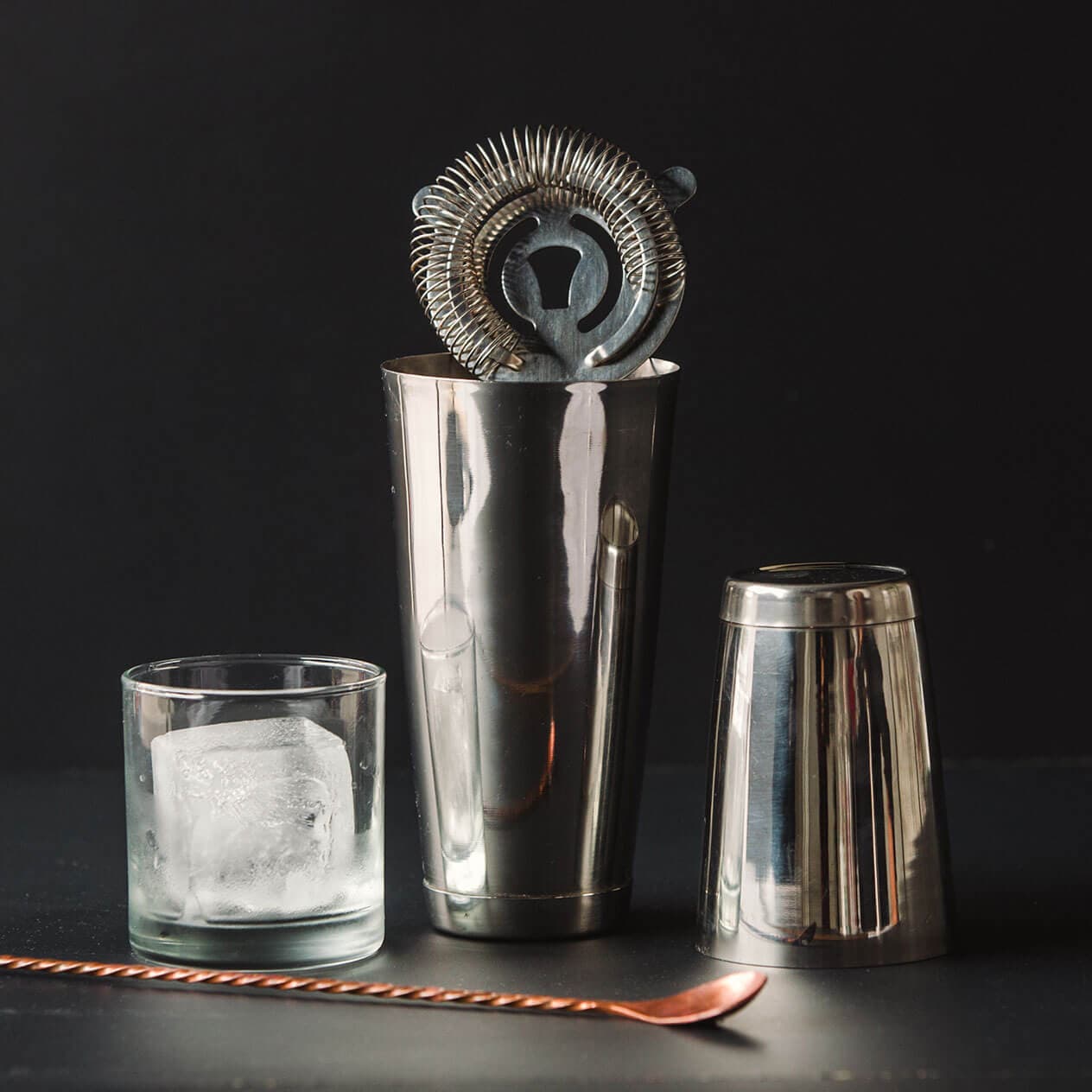
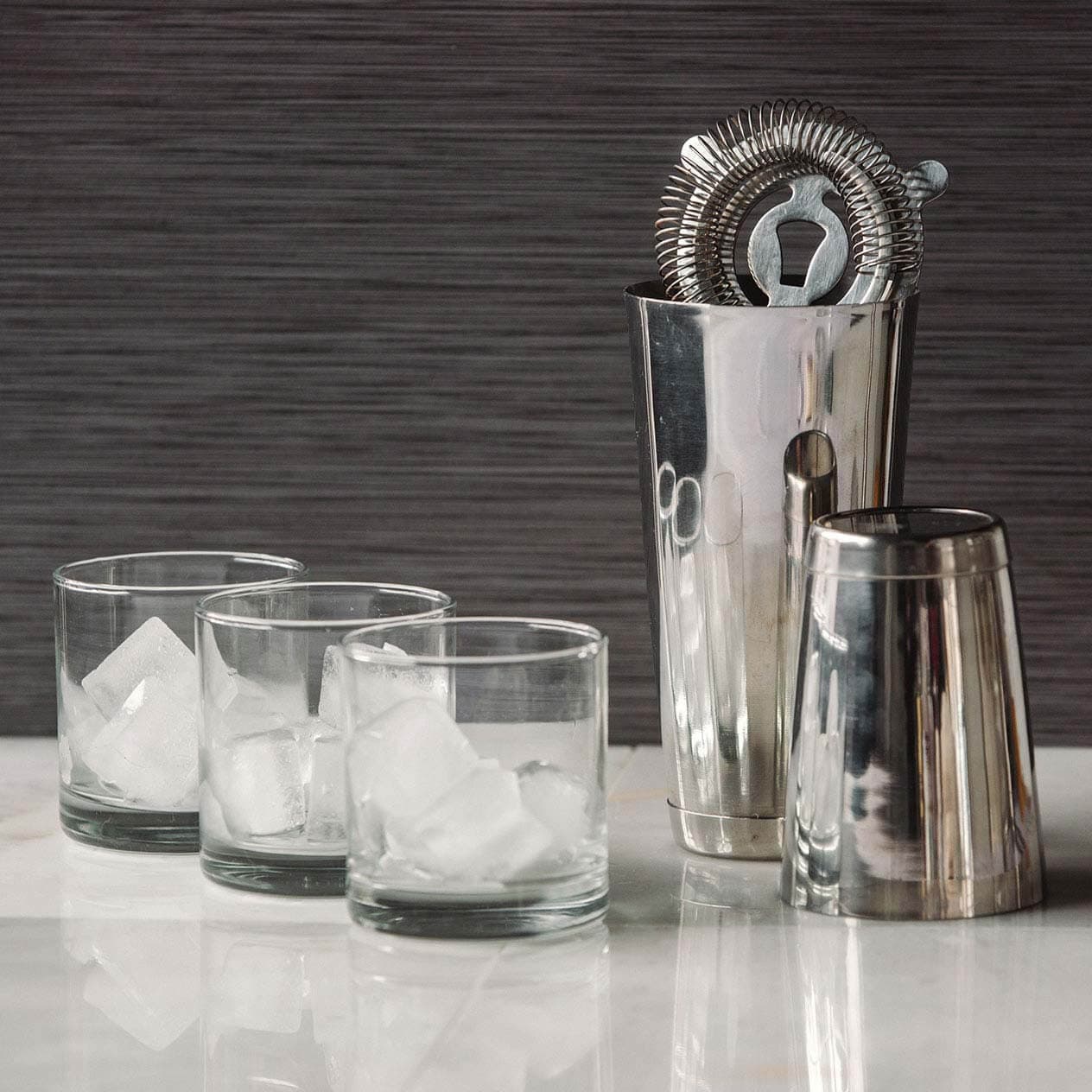
cocktail mixing glass · bar spoon · strainer · jigger
Common Questions
What is absinthe substitute and why is it used in a Sazerac?
Absinthe substitute (often pastis or pernod) provides the anise-forward herbal flavor of traditional absinthe without thujone. It rinses the glass to coat it lightly, adding aroma and flavor without overpowering the whiskey.
Can I use bourbon instead of rye whiskey?
While the official recipe calls for rye whiskey, bourbon can substitute. Rye offers spicier, drier notes; bourbon brings sweetness. Rye is historically and traditionally preferred.
How do I properly rinse the glass with absinthe?
Pour a small amount of absinthe substitute into a chilled glass, swirl to coat the interior, then discard the excess before straining the cocktail into it.
What type of bitters should I use?
Peychaud's bitters are traditional and iconic in Sazeracs, offering anise and spice notes. Angostura bitters work as a substitute with slightly different flavor profile.
Why was the Sazerac recipe changed from brandy to whiskey?
In 1873, Phylloxera Vastatrix devastated European vineyards, causing brandy shortages. The recipe was adapted to use American whiskey, which coincided with rye's rise in popularity.
More from Mr. Boston Deluxe Official Bartender's Guide
Banana Daiquiri
5 min · Mr. Boston Deluxe Official Bartender's Guide
Canal Street Daisy
5 min · Mr. Boston Deluxe Official Bartender's Guide
Fifth Avenue
5 min · Mr. Boston Deluxe Official Bartender's Guide