How To Feed Your Sourdough Starter
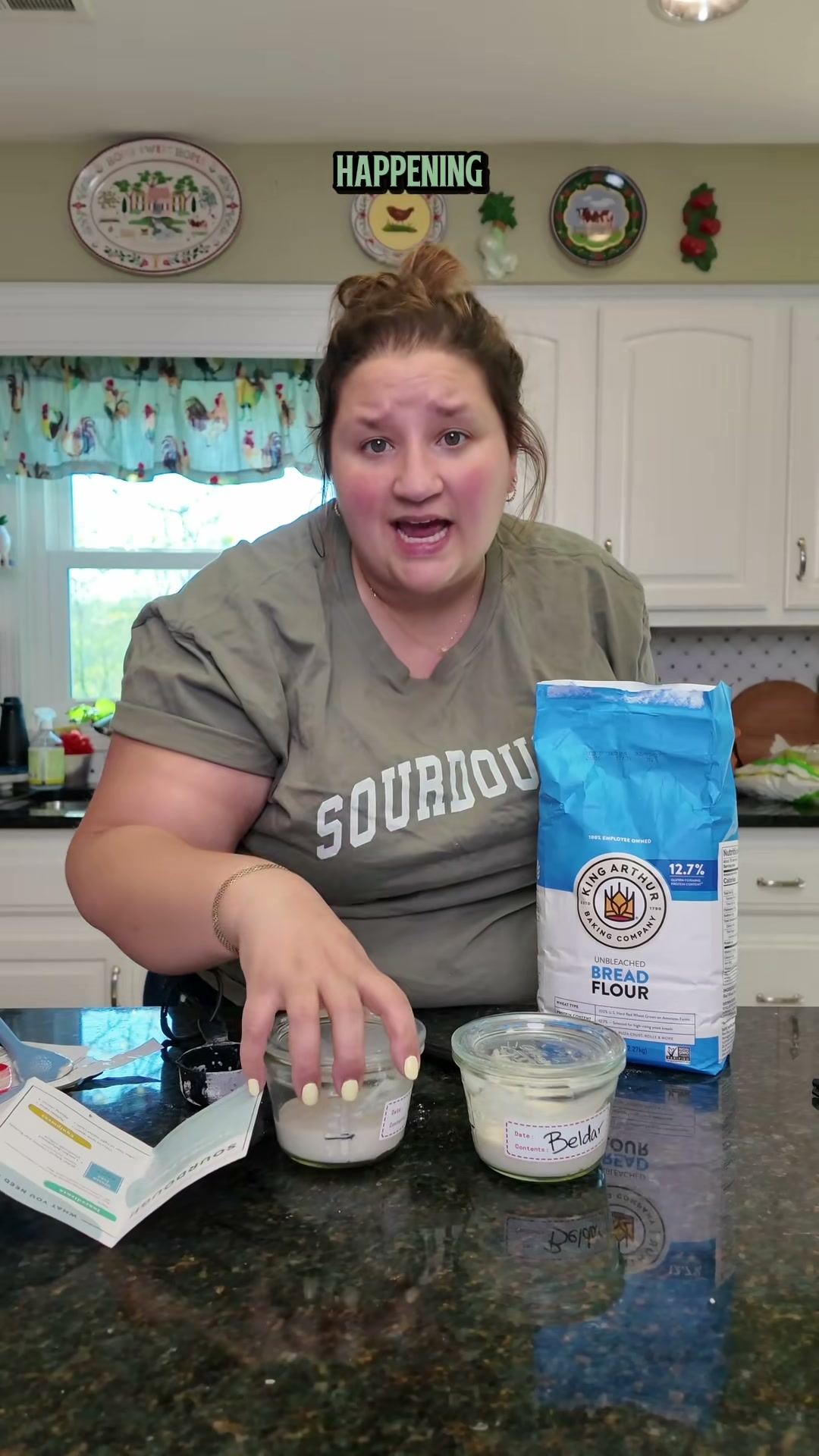
This tutorial demonstrates the essential process of feeding a sourdough starter by discarding a portion and replenishing it with water and flour to keep it active and ready for baking.
This tutorial demonstrates the essential process of feeding a sourdough starter by discarding a portion and replenishing it with water and flour to keep it active and ready for baking.
Check what you already have. We'll leave it off your shopping list.
CookOS may earn a commission from Instacart orders.

Prices vary by store
*Service fees apply. Instacart® and the Instacart logo are registered trademarks of Maplebear Inc. d/b/a Instacart.
Discard a portion of your active sourdough starter, leaving about 1/2 cup in the jar.
Add 1/2 cup of water to the remaining starter and stir well to combine. This helps incorporate the starter and clean the sides of the jar.
Add 1/2 cup of all-purpose flour to the starter and water mixture.
Stir everything together vigorously until well combined and no dry spots of flour remain. The consistency should be a thick, stiff batter.
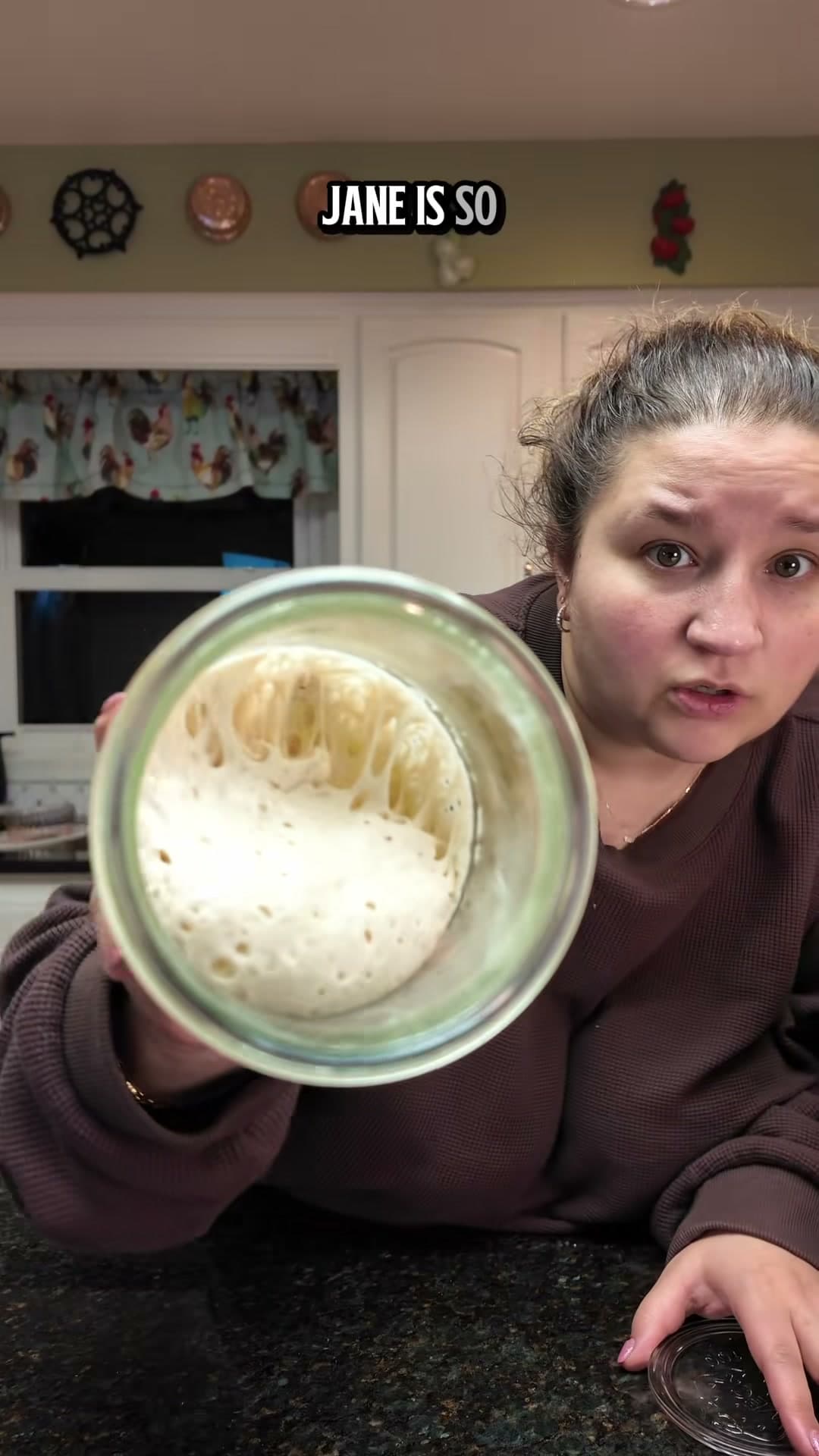
Cover the jar loosely and let the starter rest at room temperature until it becomes active, bubbly, and has risen, which indicates it's ready for baking.
Store your active starter at room temperature in a clean jar covered loosely with a cloth, or refrigerate between uses for up to 2 weeks.
glass jar or container · kitchen scale (optional but recommended for precision)
Feed your starter once daily if kept at room temperature, or once weekly if stored in the refrigerator. The exact frequency depends on your kitchen temperature and baking schedule.
Discard is the portion of mature starter you remove before feeding. Discarding prevents the starter from becoming too large and helps maintain a healthy balance of wild yeast and bacteria cultures.
Yes, you can substitute whole wheat or other flours, though all-purpose flour is standard. Whole wheat may create a more active starter but can affect flavor and fermentation speed.
A healthy starter should double in size within 4-8 hours of feeding, smell pleasantly sour, and show consistent bubbling activity throughout.
Room temperature (68-75°F) is ideal for regular feeding and maintenance. Warmer temperatures speed up fermentation, while cooler temperatures slow it down.