A Day at a Pastry School in Paris
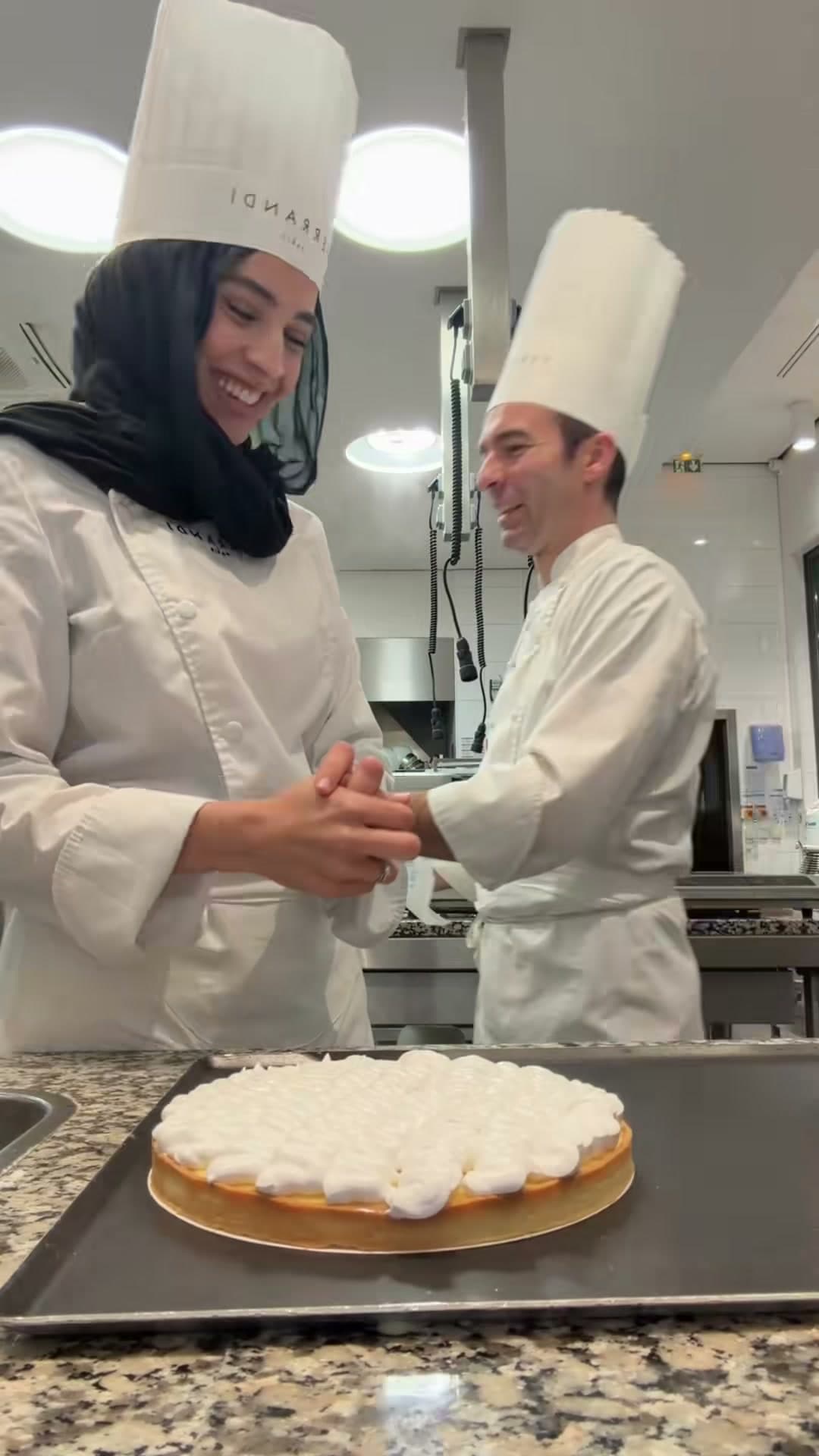
A guided day at Ferrandi Paris pastry school where you'll learn to make three foundational French pastries: laminated puff pastry, bright citrus tart, and silky flan, all demonstrated step-by-step on video.
A guided day at Ferrandi Paris pastry school where you'll learn to make three foundational French pastries: laminated puff pastry, bright citrus tart, and silky flan, all demonstrated step-by-step on video.
Baked pastries keep 1–2 days in an airtight container at room temperature; flan keeps refrigerated for up to 3 days. Unbaked puff pastry dough freezes for up to 3 months; thaw in the refrigerator before use.
pastry brush · rolling pin · tart pan with removable bottom · pie weights or dried beans for blind-baking · fine mesh sieve · water bath (roasting pan)
Puff pastry is a laminated dough made by folding butter into flour dough repeatedly to create hundreds of thin layers. It's challenging because precise temperature control and technique are needed to prevent the butter from mixing into the dough, which would collapse the layers.
Yes. While professional training refines technique and speed, home bakers can successfully make puff pastry, citrus tart, and flan by following detailed instructions carefully and practicing proper folding, chilling, and baking temperatures.
Making puff pastry from scratch typically takes 2–3 hours including multiple folds and rest periods between each fold, though much of this is passive chilling time.
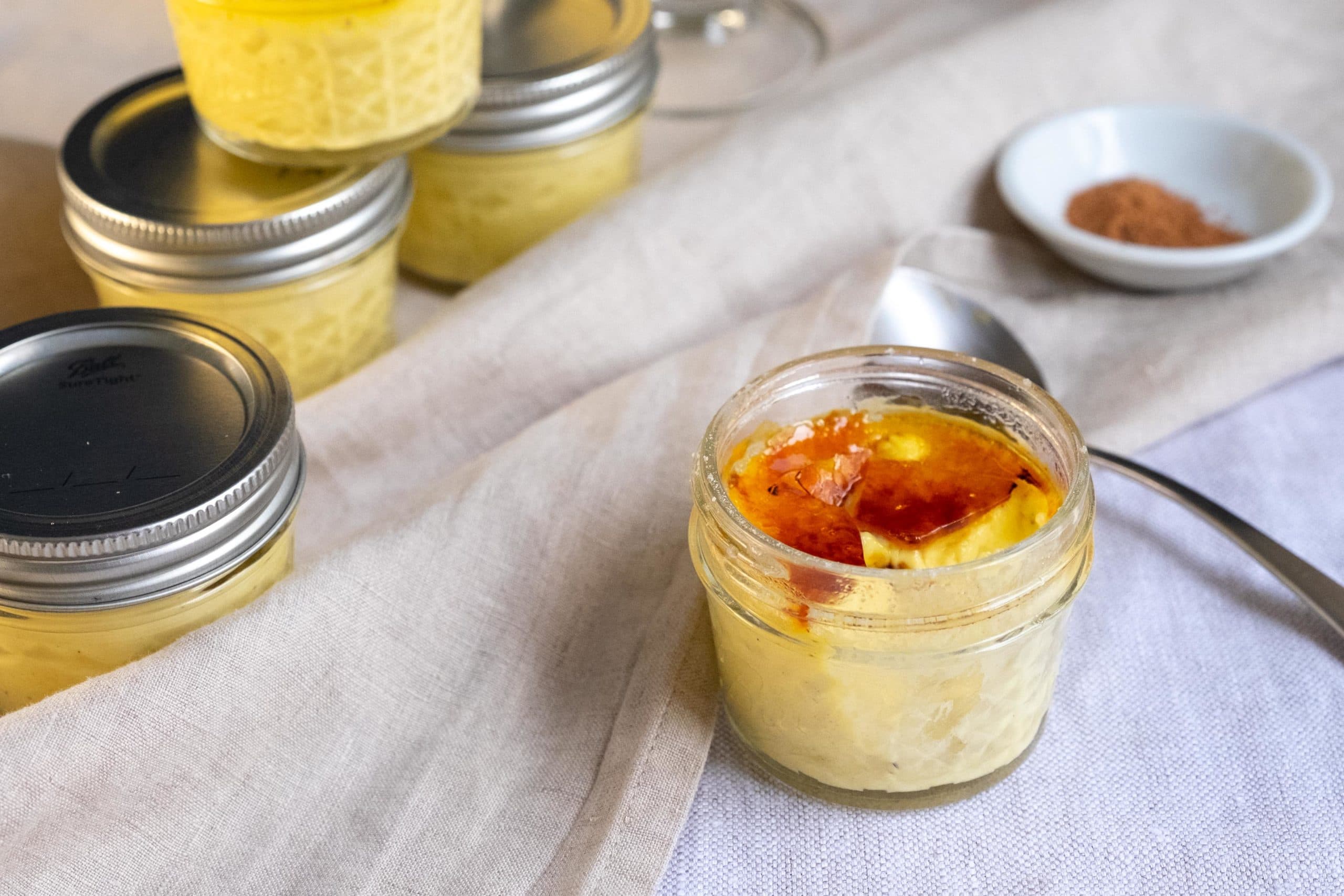
Flan is a baked custard dessert with a caramelized sugar top, cooked in a water bath for gentle, even heat. Custard tart has a pastry crust with custard filling. Both are custard-based but flan has no crust and relies on caramel for its signature finish.
Yes, store-bought puff pastry is a practical shortcut for home baking. Use thawed frozen or fresh puff pastry from a bakery, though the learning experience of laminating by hand will be lost.