Why do you crush garlic with the peel on when butter basting?
Crushing garlic with the peel keeps cloves intact and prevents them from breaking apart and burning in the butter. The peel also protects the garlic flesh from direct heat while infusing flavor.
What's the difference between butter basting and regular pan searing?
Butter basting tilts the pan and continuously spoons hot, foaming butter over the steak to cook the top and sides while the bottom develops a crust. Regular pan searing relies only on contact with the hot pan.
Can I use salted butter instead of unsalted?
Unsalted butter is recommended because it gives you full control over seasoning. Salted butter may make the steak oversalty, especially if you've already seasoned the meat.
When should I add the shallot and garlic to the pan?
Add them near the end of cooking, once the steak has developed a crust. Adding them too early can cause burning; the order matters to prevent aromatic charring.
What doneness should I aim for when butter basting?
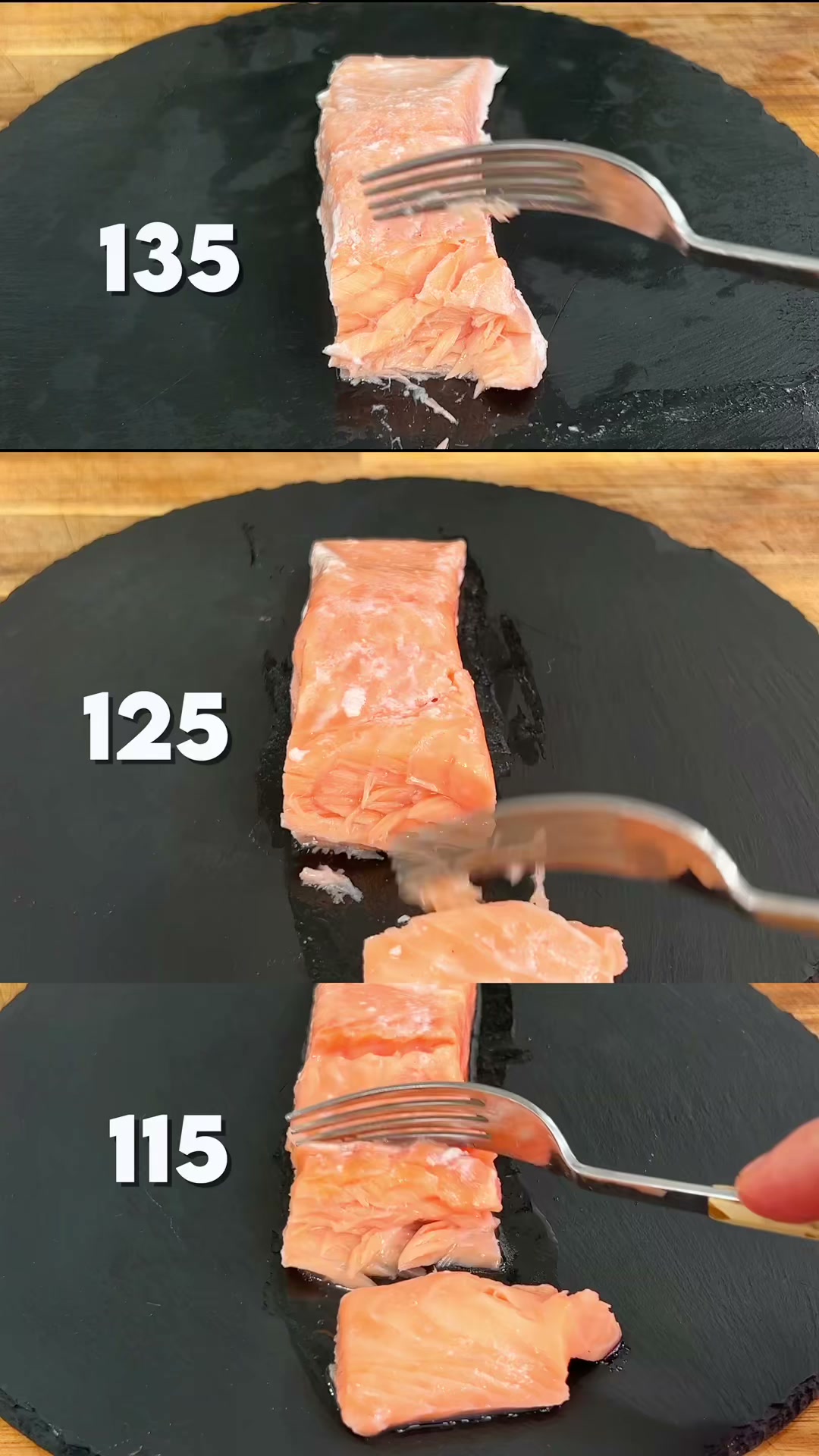
Use a meat thermometer: 125°F for rare, 135°F for medium-rare, 145°F for medium. Remember the steak continues cooking 5°F after you remove it from heat.