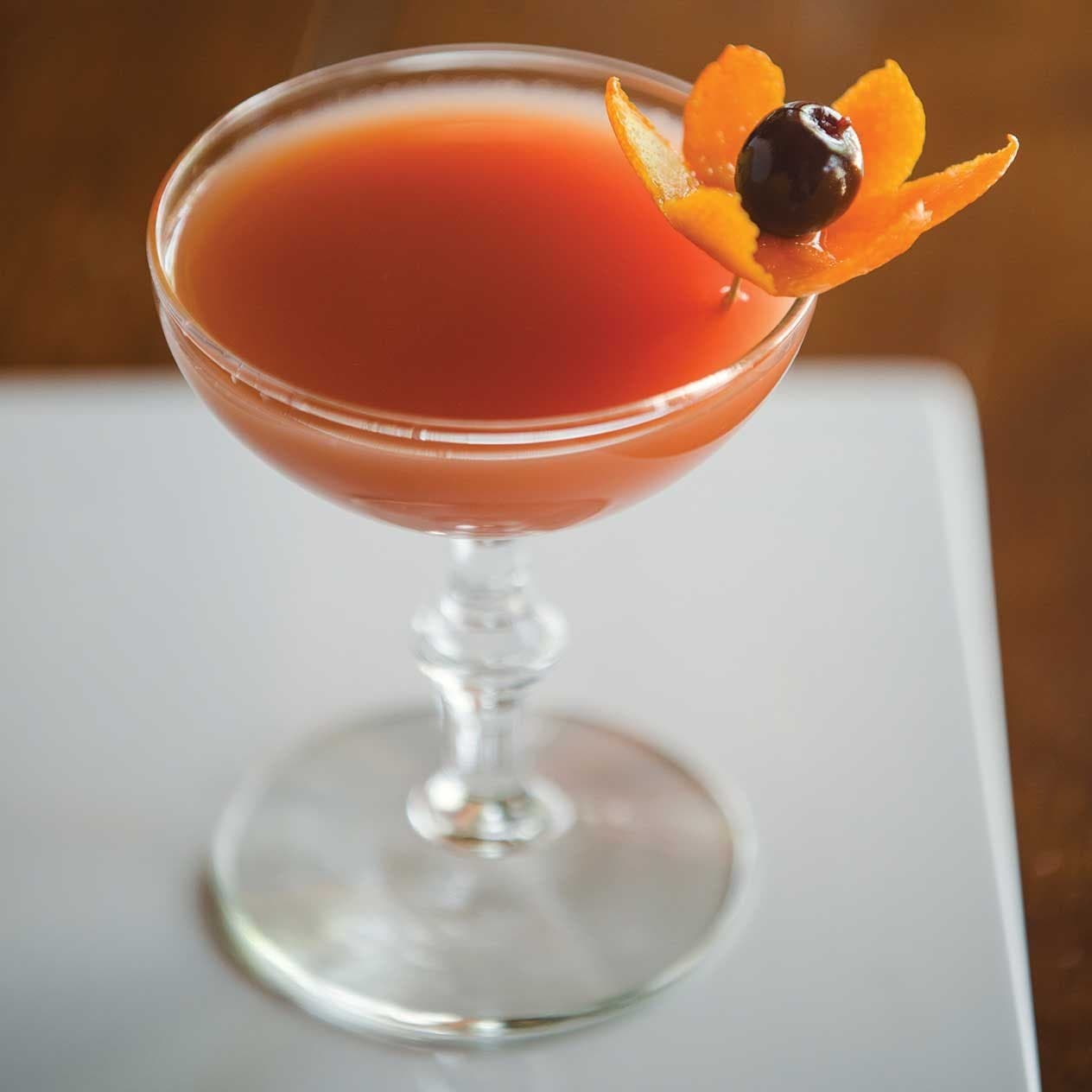
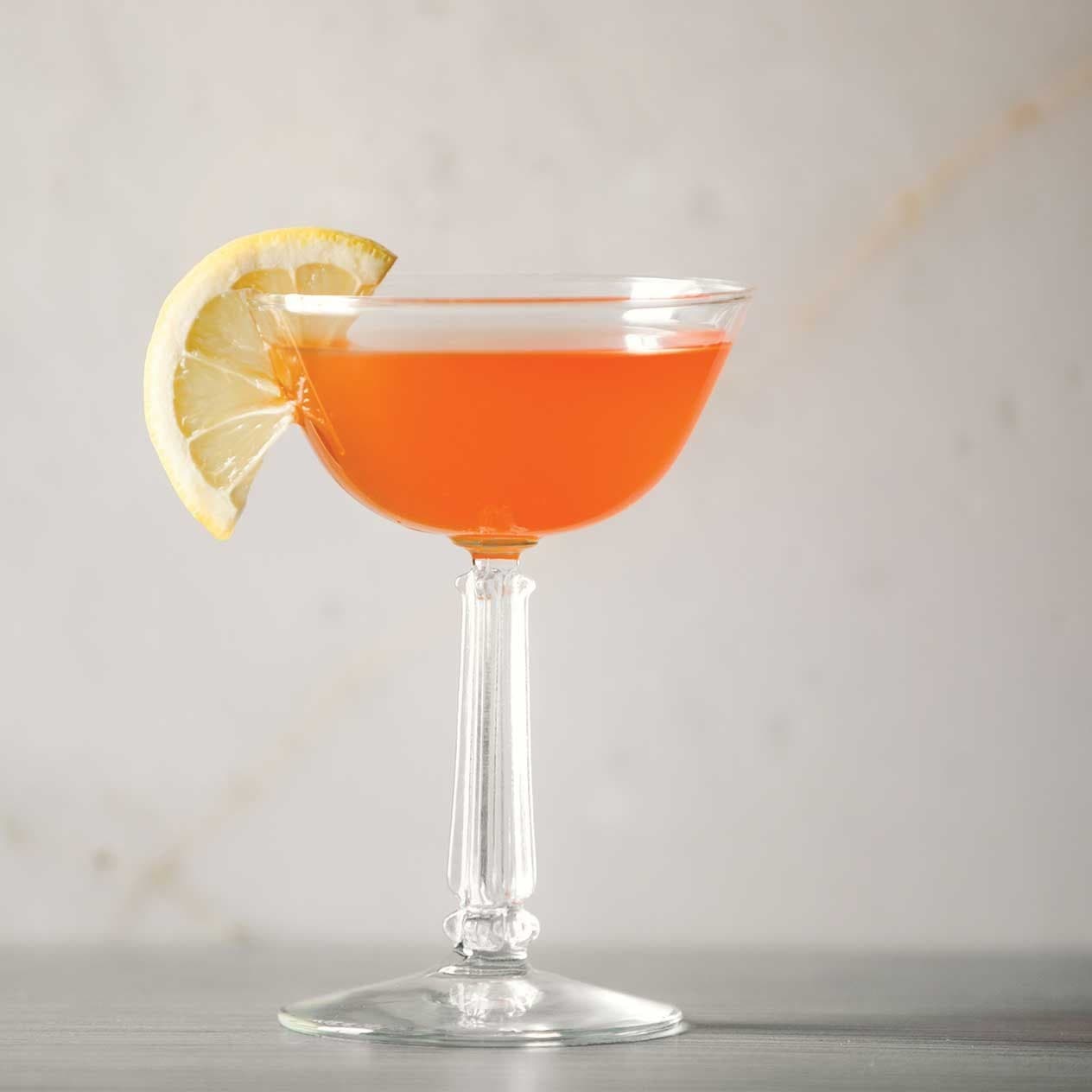
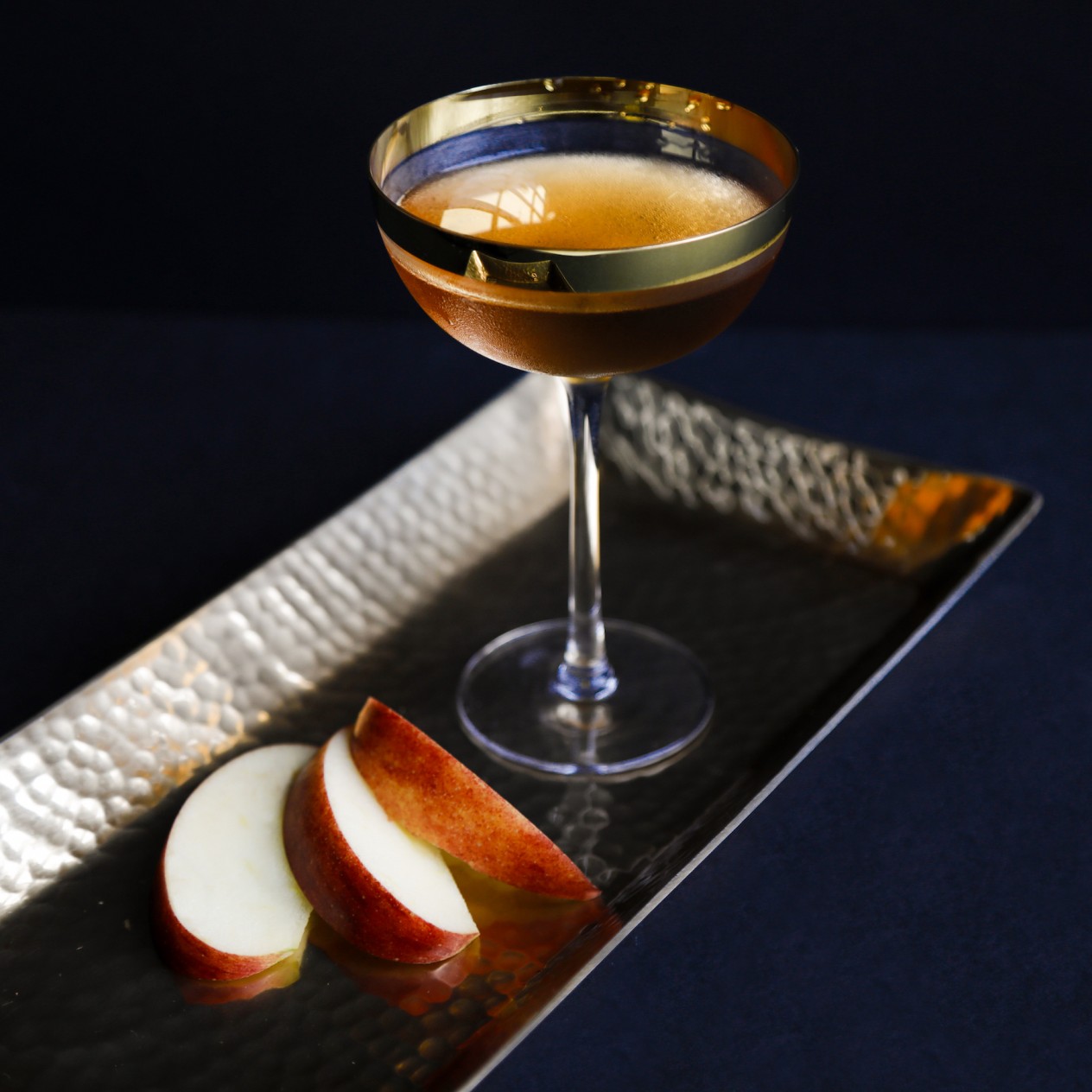
The Corpse Reviver No. 1 is an early 20th-century brandy cocktail that combines cognac, calvados, and sweet vermouth into a smooth, warming sipper with subtle apple complexity. It's a spirit-forward drink best served as an aperitif or after-dinner digestif.
*Service fees apply. Instacart® and the Instacart logo are registered trademarks of Maplebear Inc. d/b/a Instacart.
Instructions
1
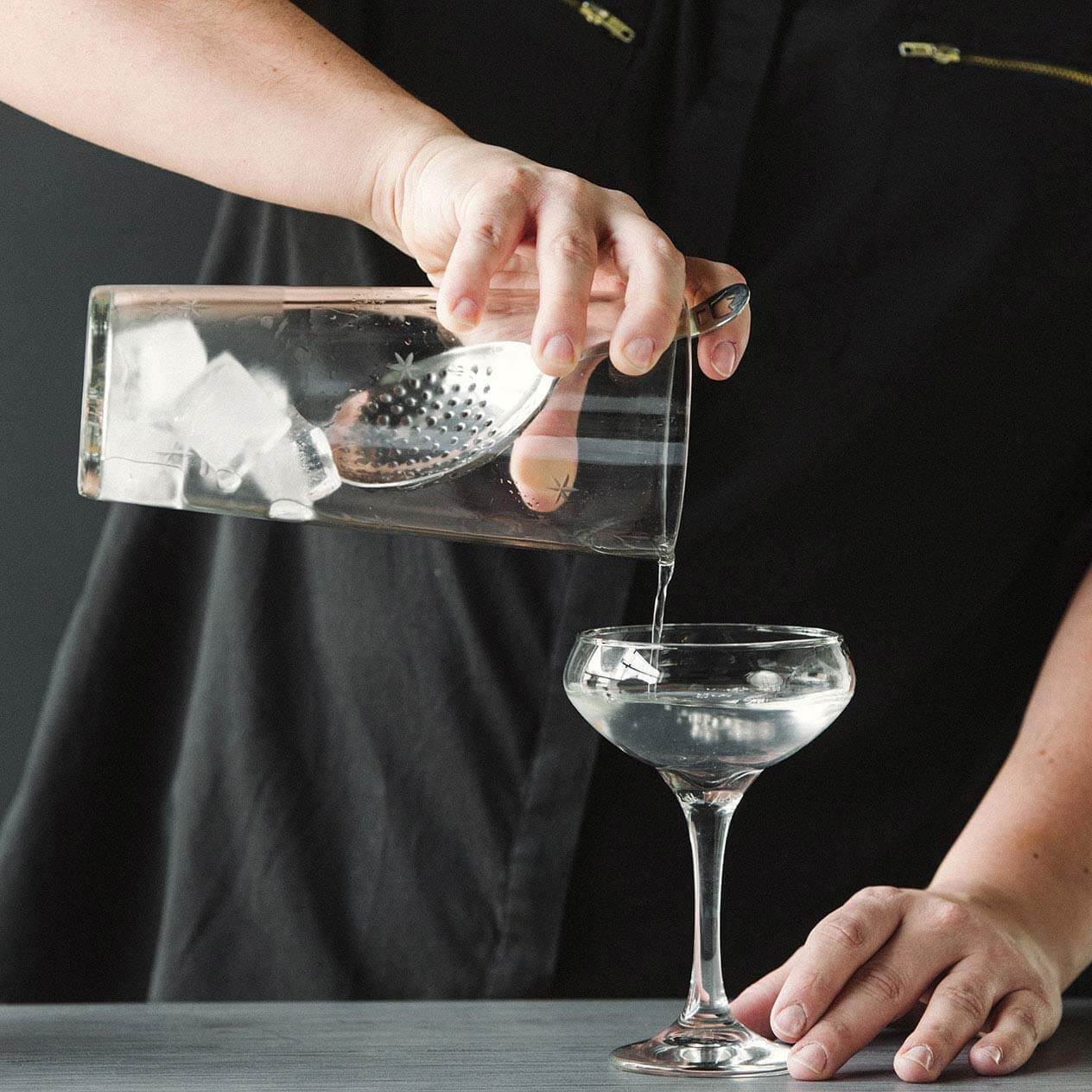
Stir with ice and strain into a chilled cocktail glass.
Was this recipe helpful?
Tips & Notes
Pro tips
Use a 1:1:1 ratio by volume for balance; if your vermouth is particularly sweet, reduce it slightly to 0.75 oz.
Chill the coupe glass in the freezer for 2 minutes before serving to keep the drink cold longer without over-dilution.
Stir over large, solid ice cubes (1–2 inches) rather than small ice; they melt slower and create less unwanted dilution.
Taste as you pour—fresher cognac and calvados vary in proof and sweetness; adjust the vermouth ratio if needed.
Substitutions
Cognac → Armagnac or high-rye bourbon (adds earthiness, less floral)
Calvados → Pisco or grappa (loses apple character; use only if calvados unavailable)
Sweet Vermouth → Dry vermouth (makes it drier, less traditional)
Common Questions
What's the difference between calvados and applejack?
Calvados is a French apple brandy aged in oak with more complexity; applejack is an American apple brandy that's typically younger and sharper. Both work, but calvados is traditional.
Should I stir or shake a Corpse Reviver No. 1?
Stir it over ice with a bar spoon for 30 seconds to chill and dilute gently—shaking aerates unnecessarily and doesn't suit the spirit-forward profile.
What type of vermouth should I use?
Use a full-bodied, slightly herbal sweet vermouth (rouge/red); lighter vermouth varieties will get lost against the brandy.
Can I make this ahead?
No—mix it fresh to order. Stirred cocktails oxidize quickly once diluted with ice water.
What glassware works best?
Serve in a coupe glass (4–4.5 oz) or small rocks glass to showcase the spirits without excess ice.