Homemade Spicy Kimchi
This homemade spicy kimchi recipe combines salted napa cabbage with a fermented paste of pear, garlic, ginger, onion, and gochugaru for authentic Korean flavor and probiotic benefits.
This homemade spicy kimchi recipe combines salted napa cabbage with a fermented paste of pear, garlic, ginger, onion, and gochugaru for authentic Korean flavor and probiotic benefits.
Check what you already have. We'll leave it off your shopping list.
CookOS may earn a commission from Instacart orders.

Prices vary by store
*Service fees apply. Instacart® and the Instacart logo are registered trademarks of Maplebear Inc. d/b/a Instacart.
Quarter the napa cabbage heads, then rip each quarter down the middle to keep the leaves attached at the base.
Cut the quartered cabbage into thick, roughly 1-inch wide pieces.
Place the chopped cabbage in a very large bowl and salt it heavily. Use your hands to mix the salt in thoroughly.
Let the salted cabbage sit for 30 minutes to draw out excess water.
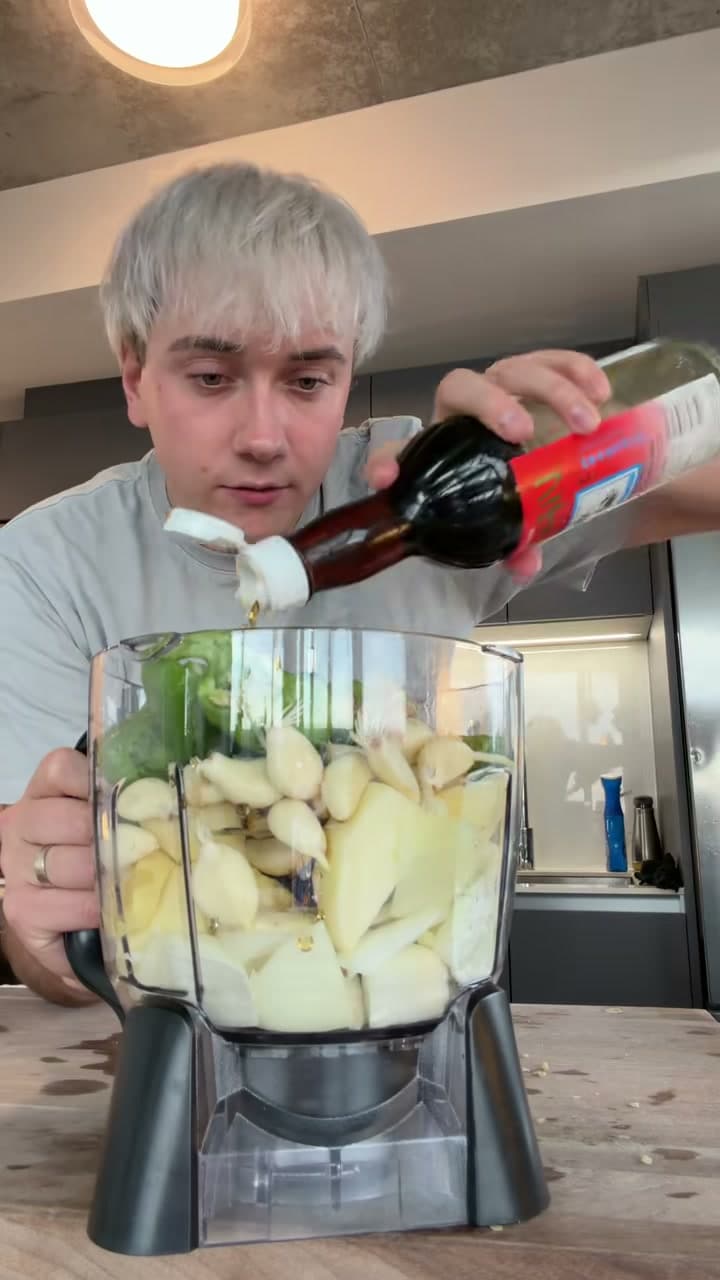
While the cabbage is salting, prepare the kimchi paste. Add chopped white onion, peeled and chopped pear, ginger, and peeled garlic cloves to a food processor or high-powered blender.
Add chopped green peppers (with seeds), fermented baby shrimp, and fish sauce to the blender.
Blend all the ingredients until a smooth, fine paste is formed.
Pour the blended paste into a large mixing bowl. Add the coarse and fine Korean chili flakes (gochugaru) and optional MSG.
In a small saucepan, whisk together the rice flour and water. Bring to a simmer over medium heat, whisking constantly, until it forms a thick paste or slurry. This will act as a binder.
Pour the hot rice flour slurry into the chili paste mixture. Mix everything together until well combined.
After 30 minutes, the cabbage should have wilted and released a significant amount of water. Rinse the cabbage thoroughly under cold running water to remove all the excess salt.
Drain the rinsed cabbage completely in a colander.
Combine the drained cabbage and the kimchi paste in a large bowl.
Wearing gloves, use your hands to thoroughly mix the paste into the cabbage, ensuring every piece is evenly coated.
The kimchi can be eaten fresh or packed tightly into jars to ferment at room temperature for a few days before being refrigerated.
Store finished kimchi in an airtight jar in the refrigerator for up to 3 months; fermentation slows dramatically at cold temperatures.
food processor or blender for paste · glass jars for fermentation
Kimchi typically ferments for 3–5 days at room temperature before refrigerating, though flavor deepens over weeks.
Reduce gochugaru from 1 cup to 1/2 cup, or use mild Korean chili flakes instead of standard heat levels.
Saeu-jeot provides umami depth and aids fermentation; fish sauce alone won't replicate its complexity.
Look for slight carbonation, tangy aroma, and a firm but tender cabbage texture; discard if moldy or foul-smelling.
Yes, substitute equal parts additional saeu-jeot or use soy sauce, though umami and fermentation may be less pronounced.