Dining in Rome
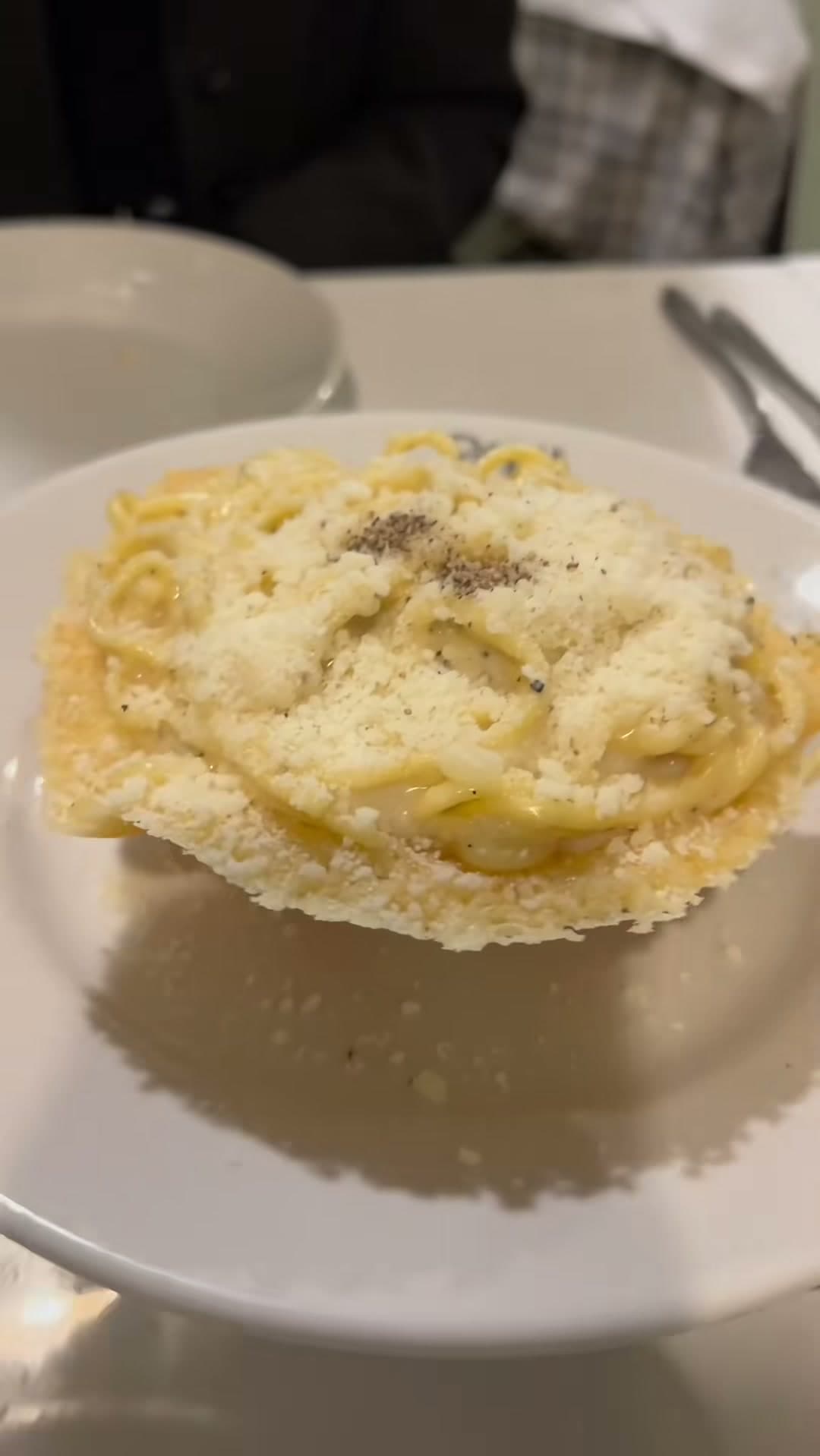
Cacio e pepe is a minimalist Roman pasta of Pecorino Romano cheese and black pepper served in a crispy parmesan bowl, as featured at the legendary Roma Sparita restaurant in Rome.
Cacio e pepe is a minimalist Roman pasta of Pecorino Romano cheese and black pepper served in a crispy parmesan bowl, as featured at the legendary Roma Sparita restaurant in Rome.
Cacio e pepe does not store well; serve immediately. Leftover pasta may be refrigerated and reheated gently with additional pasta water, though texture will not match fresh.
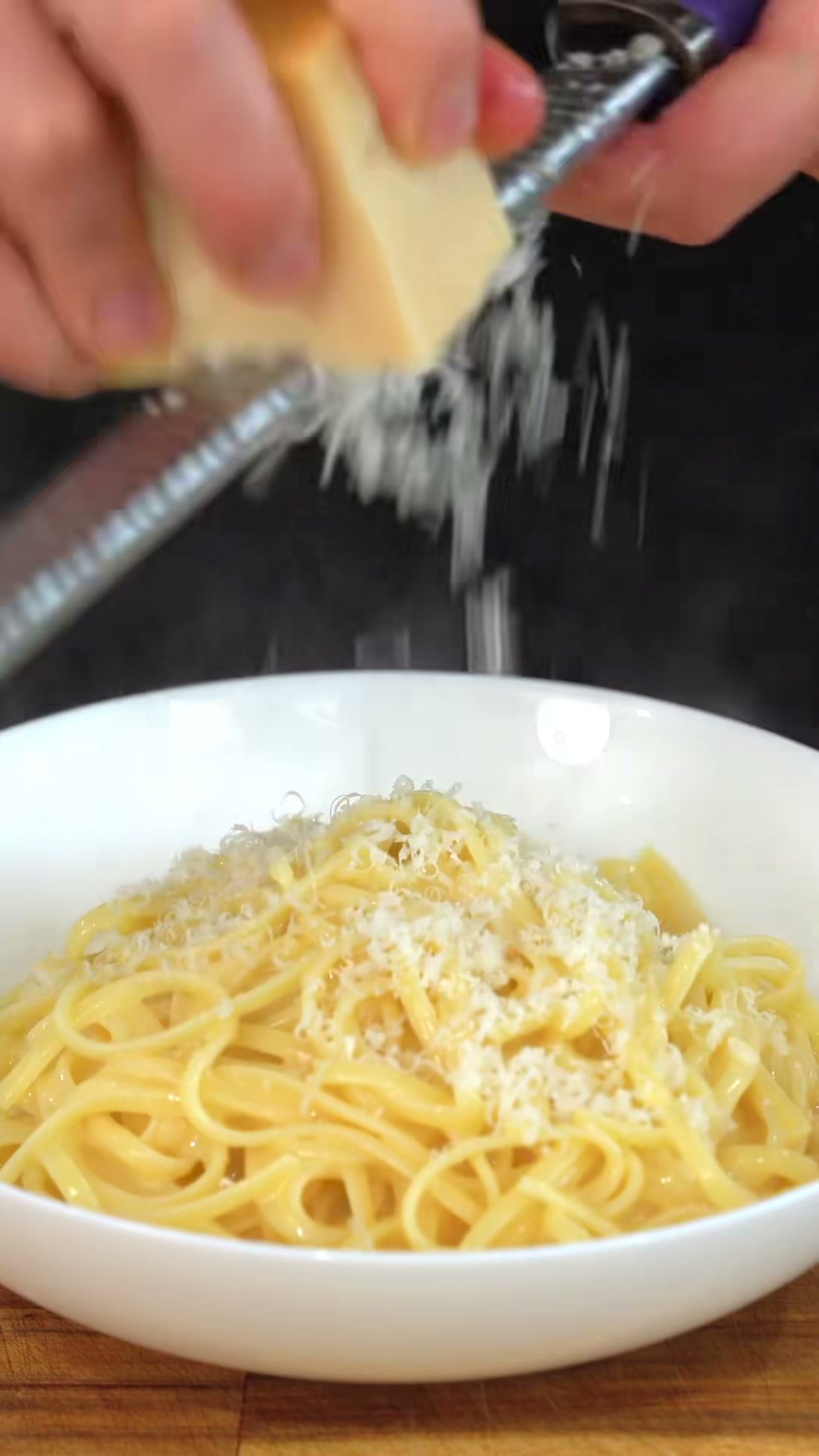
Cacio e pepe relies on just three ingredients—pasta, Pecorino Romano, and black pepper—creating a creamy sauce through emulsion rather than cream. The technique of tempering the cheese with pasta water is critical.
Melt shredded Pecorino Romano in a shallow pan or on parchment until golden and lacy, then drape it over an oven-safe bowl while warm to set its shape.
Cacio e pepe must be served immediately after tossing—the sauce breaks if it sits. Prepare components in advance but combine just before serving.
Traditionalists use tonnarelli or spaghetti. Both have enough surface area to hold the cheese-pepper coating without being too thick.
Broken sauce typically results from adding cheese too quickly or to pasta that's too hot. Temper the cheese with reserved pasta water first, then toss off heat or low heat.