Korean Braised Pork Belly (Bossam)
Bossam is a Korean braised pork belly dish where skin-on meat simmers in an aromatic doenjang broth until fork-tender, then gets sliced and wrapped in lettuce with kimchi, garlic, and ssamjang for a complete meal.
Bossam is a Korean braised pork belly dish where skin-on meat simmers in an aromatic doenjang broth until fork-tender, then gets sliced and wrapped in lettuce with kimchi, garlic, and ssamjang for a complete meal.
Check what you already have. We'll leave it off your shopping list.
CookOS may earn a commission from Instacart orders.

Prices vary by store
*Service fees apply. Instacart® and the Instacart logo are registered trademarks of Maplebear Inc. d/b/a Instacart.
In a large pot over medium-high heat, add a little oil and sear the pork belly skin-side down until it's nice and crispy.
Add enough water to the pot to cover the pork belly.
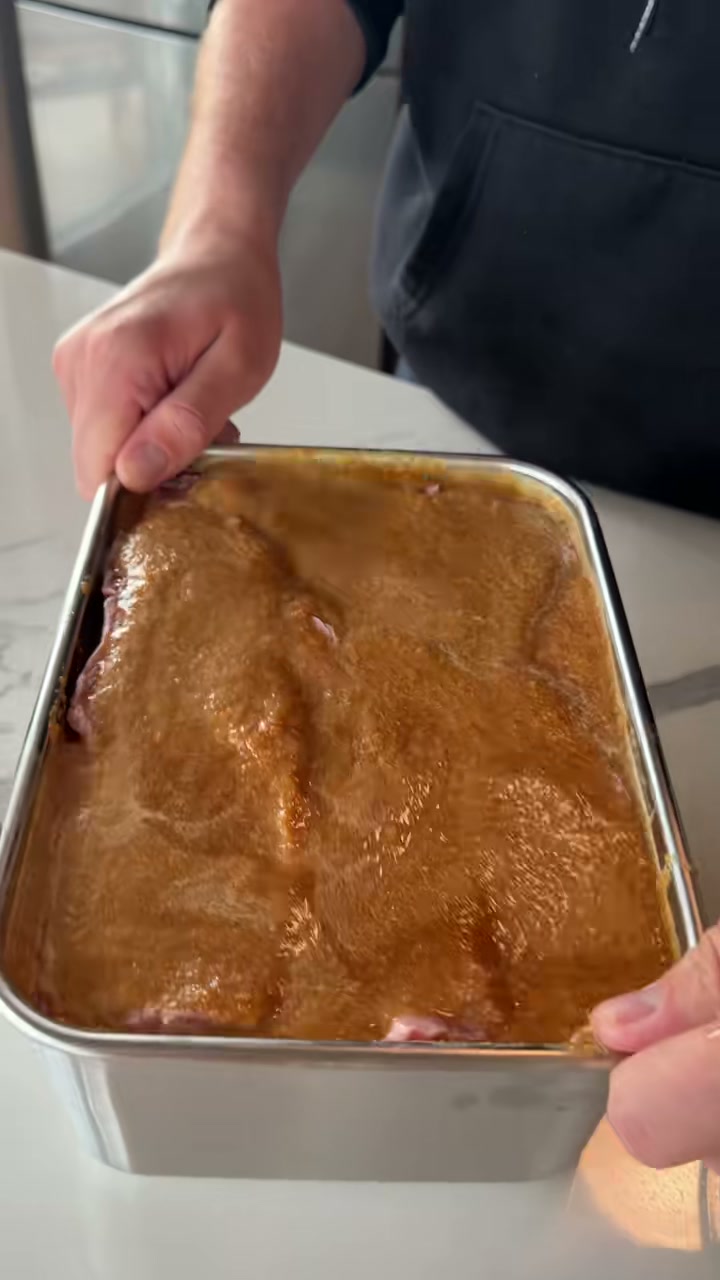
To the pot, add the doenjang, espresso powder, head of garlic, quartered onion, ginger slices, black peppercorns, and bay leaves.
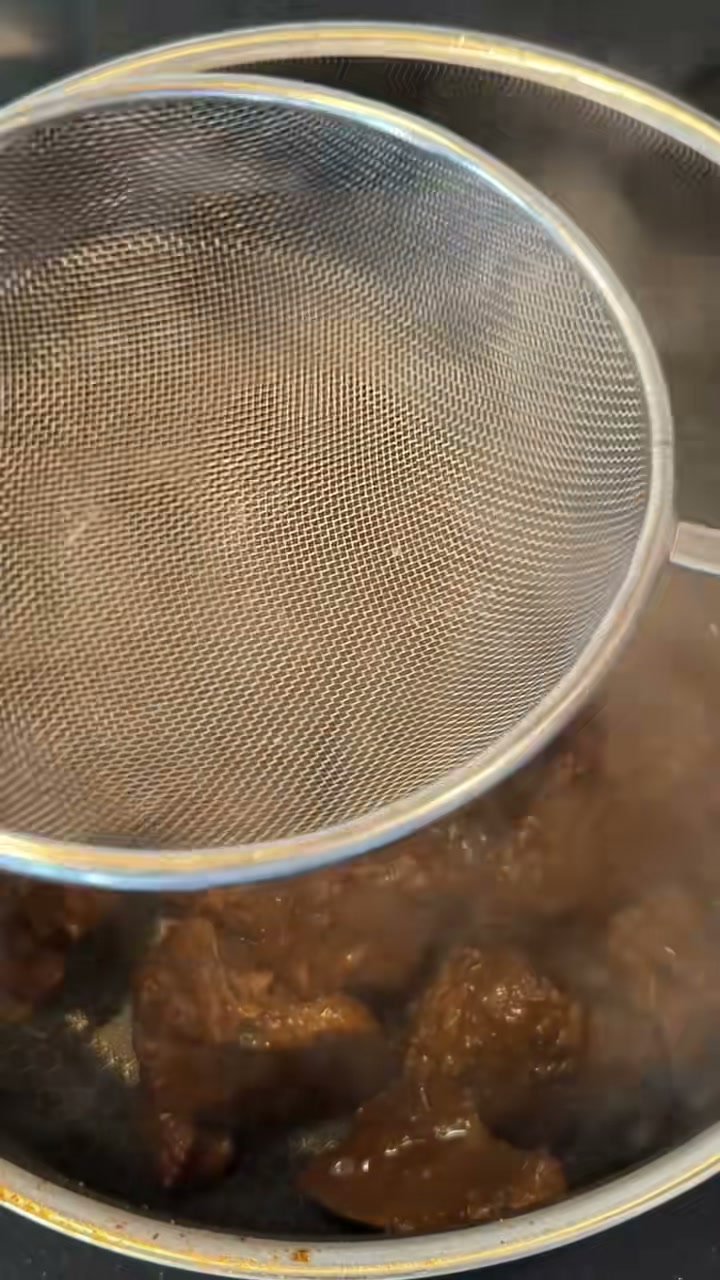
Bring the mixture to a boil, then cover the pot, reduce the heat, and let it simmer for one hour.
After an hour, carefully remove the pork belly from the pot and place it into a bowl of ice water to cool down quickly.
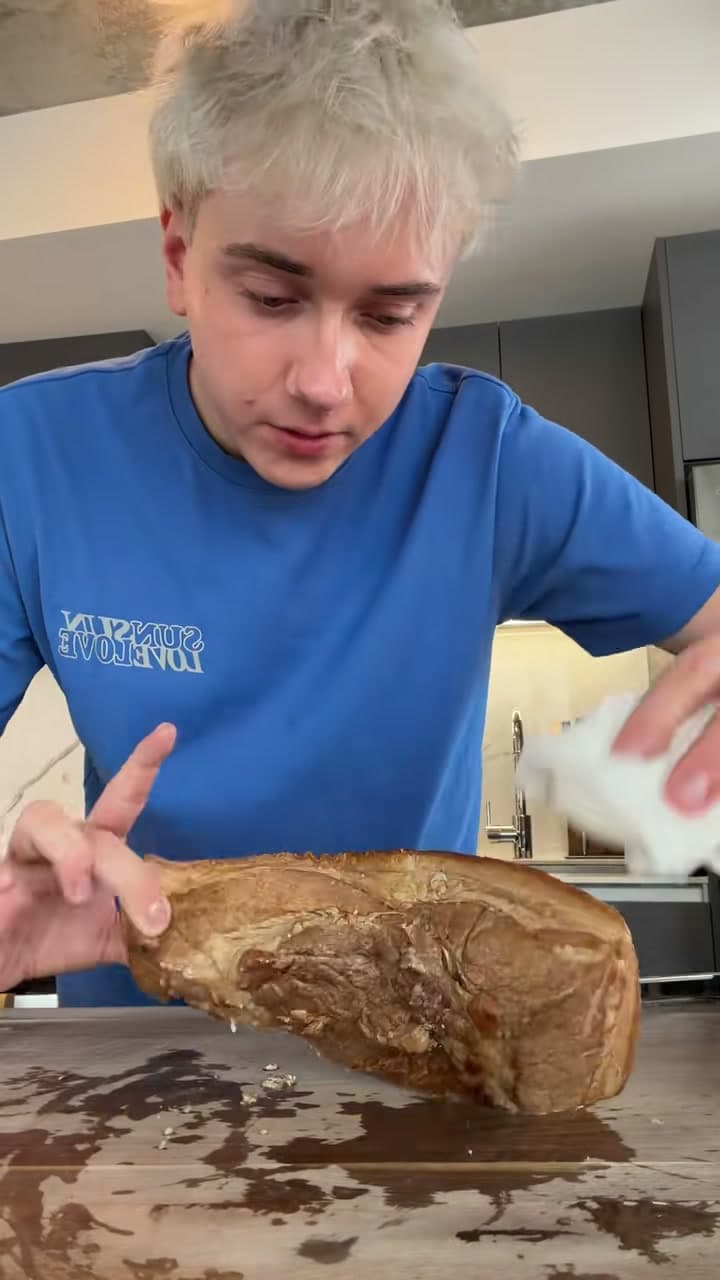
Once the pork is cool to the touch, remove it from the ice bath and pat it dry with a paper towel.
If desired, trim off some of the top fat layer from the pork belly.
Slice the cooked pork belly into thin pieces.
Arrange the sliced pork on a serving platter. Drizzle with sesame oil and sprinkle with sesame seeds.
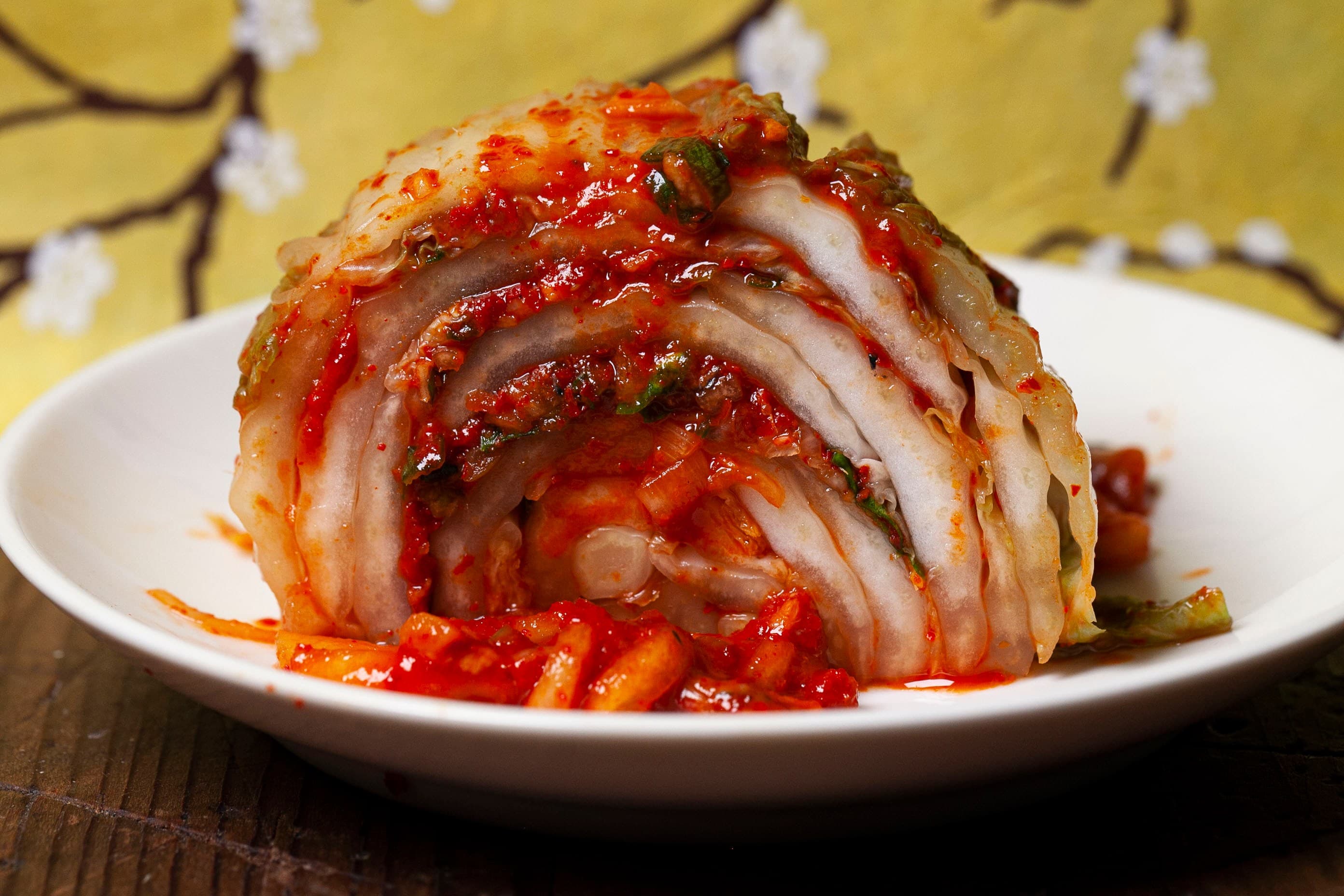
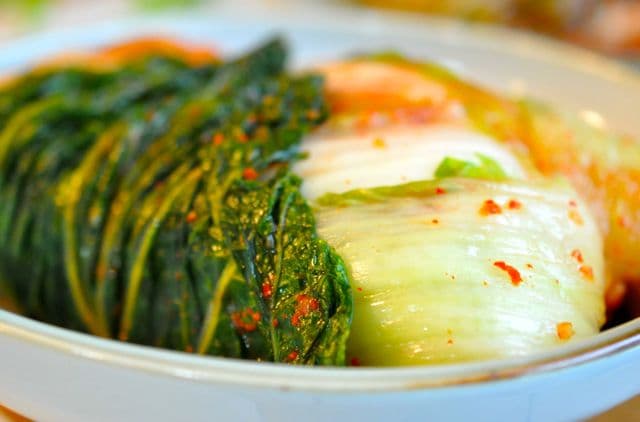
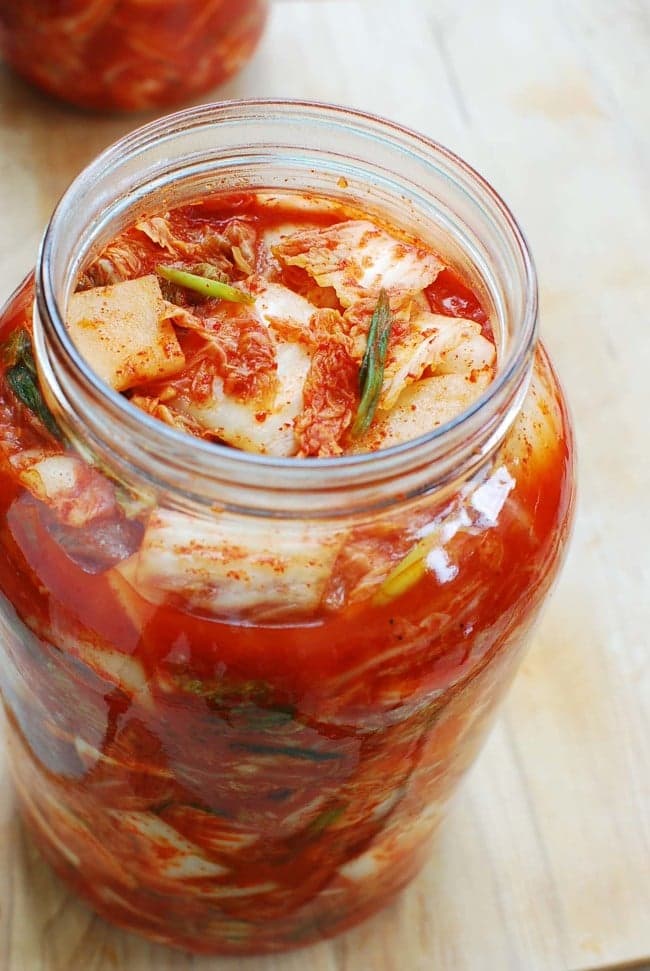
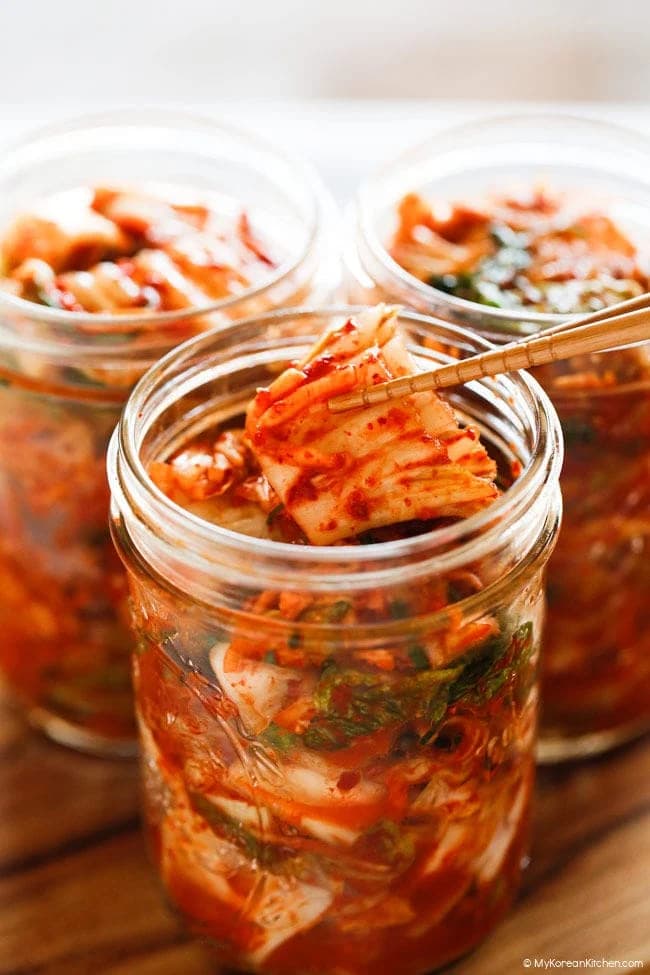
Serve the pork belly with fresh kimchi, sliced raw garlic, ssamjang, and lettuce leaves for making wraps.
Store cooled pork in its broth in an airtight container for up to 4 days refrigerated; reheat gently in the same broth or slice and pan-warm before serving.
Yes, but the skin adds texture and flavor. Skinless belly will cook slightly faster and be more tender throughout.
The meat should be fork-tender and easily pierced after 2–2.5 hours of simmering. Skin should be soft and slightly translucent.
Yes. Braise the pork up to 2 days ahead, cool completely, then refrigerate in the broth. Reheat gently before slicing and serving.
Miso paste works as a substitute, though the flavor will be slightly different. Use 2 tbsp miso for the same umami depth.
It deepens the savory, umami notes of the broth without adding coffee flavor—a common Korean cooking technique.