Pasta Carbonara
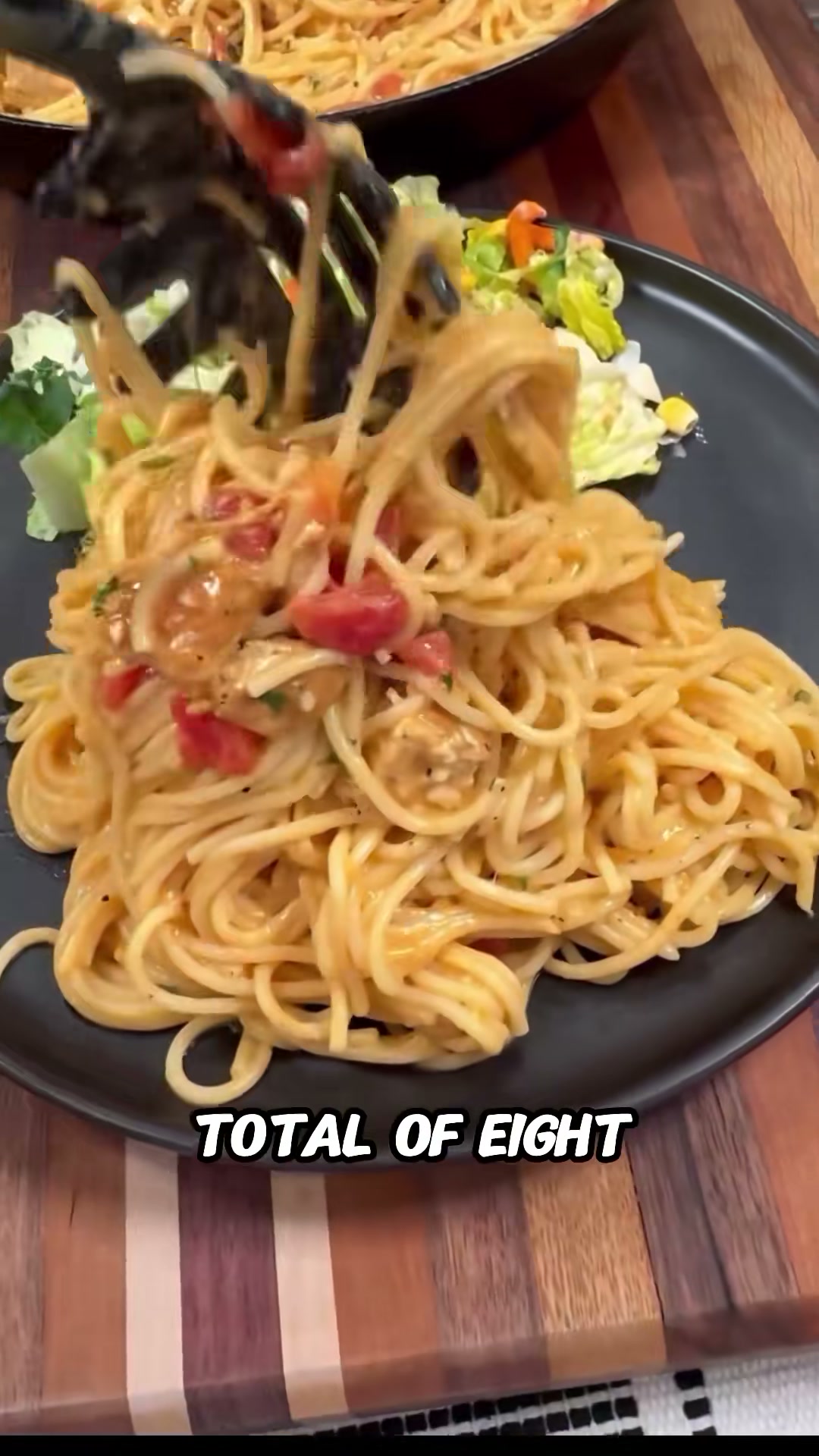
Authentic pasta carbonara combines crispy guanciale, Pecorino Romano, and room-temperature eggs to create a silky, creamy sauce without any cream. The key is timing and temperature control to emulsify the eggs into the hot pasta.
Authentic pasta carbonara combines crispy guanciale, Pecorino Romano, and room-temperature eggs to create a silky, creamy sauce without any cream. The key is timing and temperature control to emulsify the eggs into the hot pasta.
Check what you already have. We'll leave it off your shopping list.
CookOS may earn a commission from Instacart orders.

Prices vary by store
*Service fees apply. Instacart® and the Instacart logo are registered trademarks of Maplebear Inc. d/b/a Instacart.
Trim the tough outer layer from the guanciale, then dice it into small pieces.
Place the diced guanciale in a cold skillet over medium-low heat. Add a splash of water to help it render.
Cook the guanciale, stirring occasionally, until the water evaporates and the fat has rendered and the pieces are golden brown and crispy.
Using a slotted spoon, remove the crispy guanciale to a paper towel-lined plate to drain. Set aside.
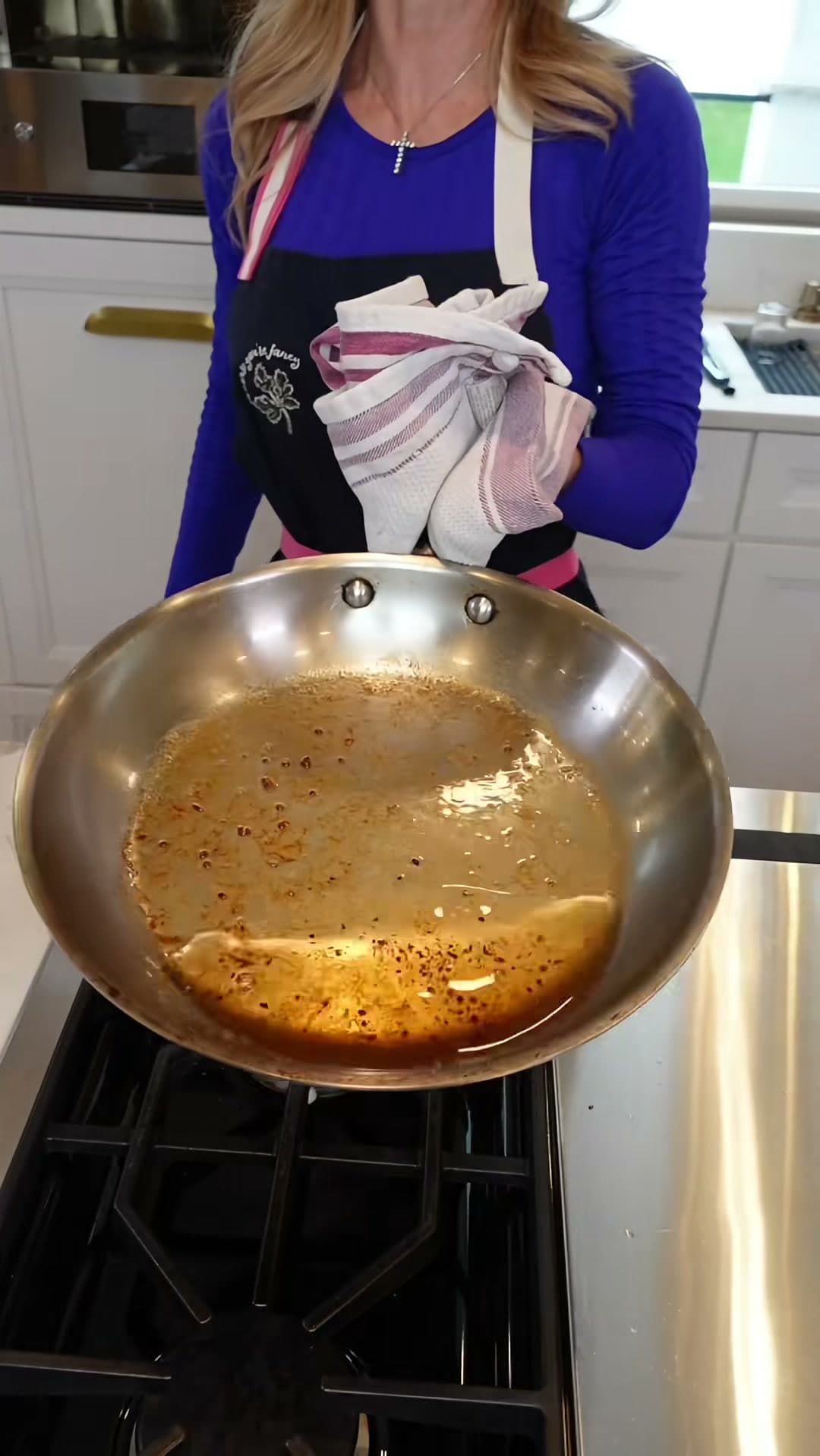
Pour off about half of the rendered fat from the skillet, leaving a couple of tablespoons in the pan for flavor.
In a large bowl, add the 2 cups of finely grated Pecorino Romano cheese.
Add 3 egg yolks and 1 whole egg to the cheese. Ensure the eggs are at room temperature.
Coarsely crush the whole black peppercorns using a mortar and pestle or the back of a pan, then add them to the egg and cheese mixture. Whisk everything together until it forms a thick paste.
Meanwhile, cook the pasta in a large pot of boiling salted water until it is about three-quarters of the way cooked (very al dente).
Using a spider strainer or tongs, transfer the partially cooked pasta directly into the skillet with the reserved guanciale fat. Do not discard the pasta water.
Turn the heat off under the skillet. Add the egg and cheese mixture to the hot pasta.
Immediately begin stirring vigorously, adding a ladle of hot pasta water to emulsify the sauce. Continue adding pasta water, a little at a time, while stirring constantly until a creamy, glossy sauce forms that coats the pasta.
Gently heat the pasta over medium-low heat, turning the heat on and off as needed to control the temperature and prevent the eggs from scrambling, until the sauce has thickened to your liking.
Serve immediately, garnished with the reserved crispy guanciale, additional grated Pecorino Romano cheese, and more freshly cracked black pepper.
Carbonara does not store well and must be eaten fresh. Reheating breaks the emulsion and renders the sauce grainy.
Yes, but guanciale delivers a distinct peppery, rich flavor that's traditional. Pancetta is the closest substitute; avoid regular bacon, which is too smoky.
Use room-temperature eggs, reserve pasta water to cool the pan slightly, and toss constantly while adding the egg mixture off-heat. The residual heat of the hot pasta cooks the eggs gently.
Carbonara is best served immediately after tossing. It doesn't store well as the sauce breaks down; make it fresh to order.
Rigatoni, spaghetti, or bucatini are traditional. Choose a shape with texture to grip the sauce; avoid thin pastas that cool too quickly.
Eggs were likely too cold, added too quickly to boiling pasta, or overcooked. Always use room-temperature eggs, work off-heat, and stir constantly.