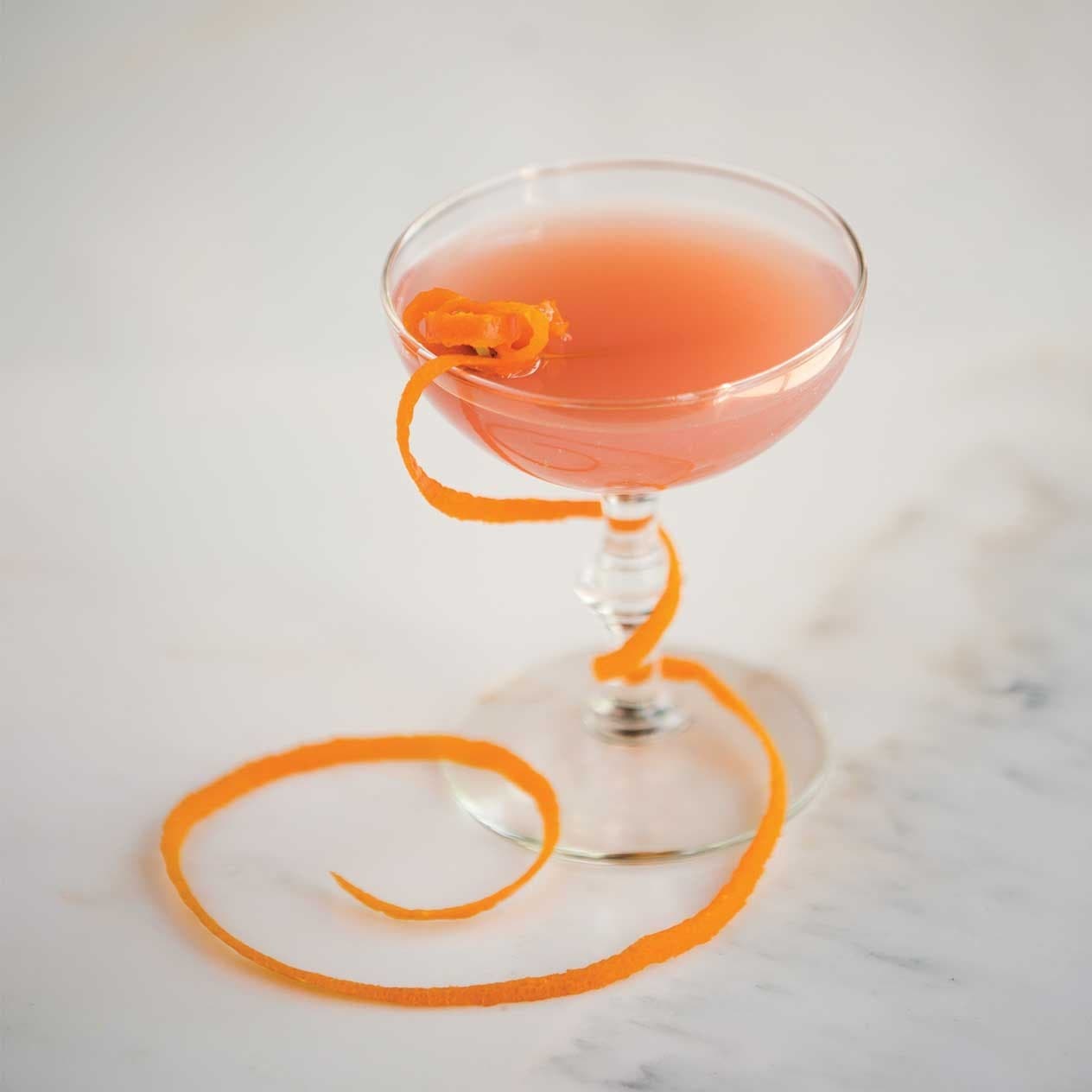
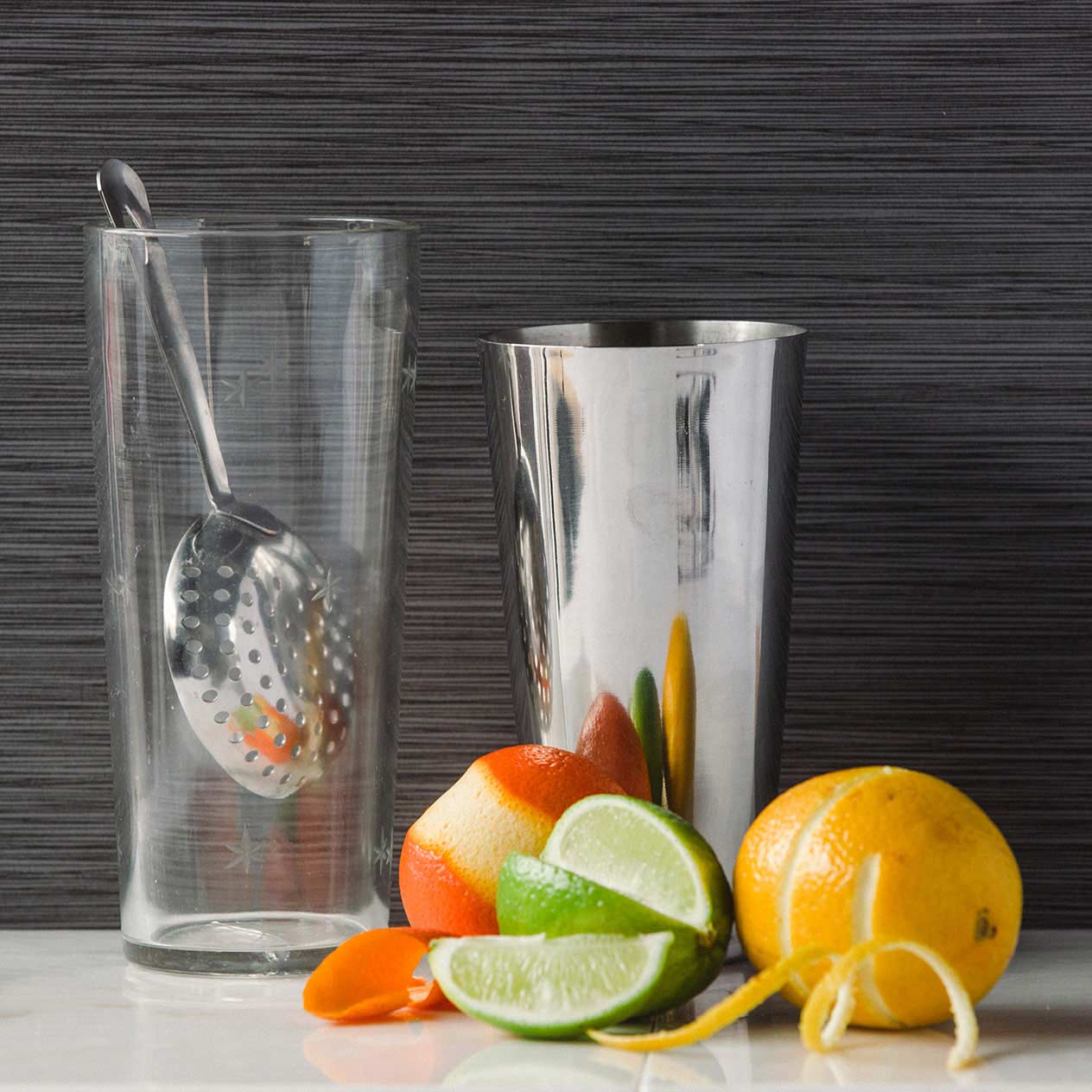
The Brothers Perryman is a gin-based aperitif that balances Plymouth gin's naval heritage with Campari's bittersweet edge and elderflower's delicate florals, elevated by a dramatic flamed orange twist garnish.
*Service fees apply. Instacart® and the Instacart logo are registered trademarks of Maplebear Inc. d/b/a Instacart.
Instructions
1
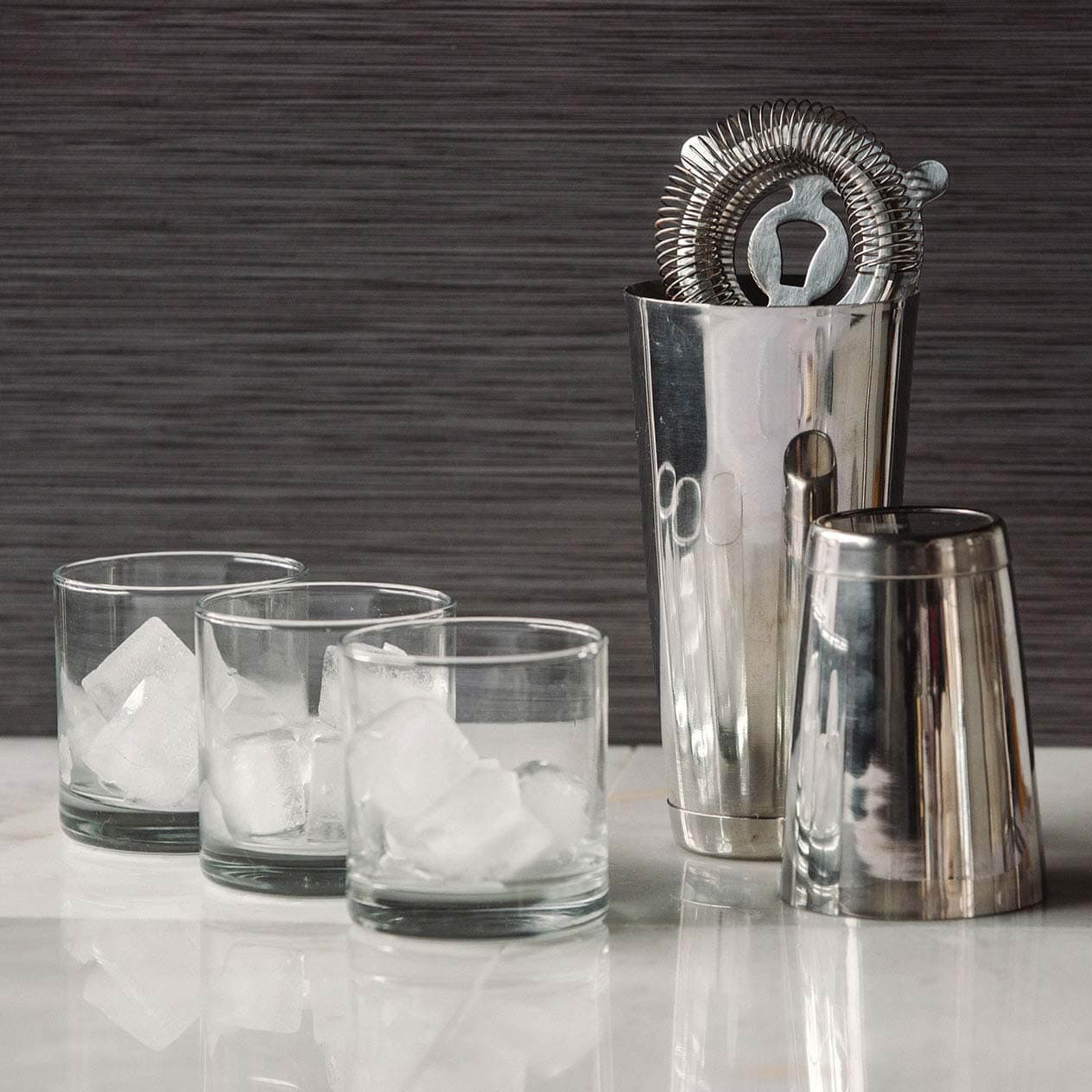
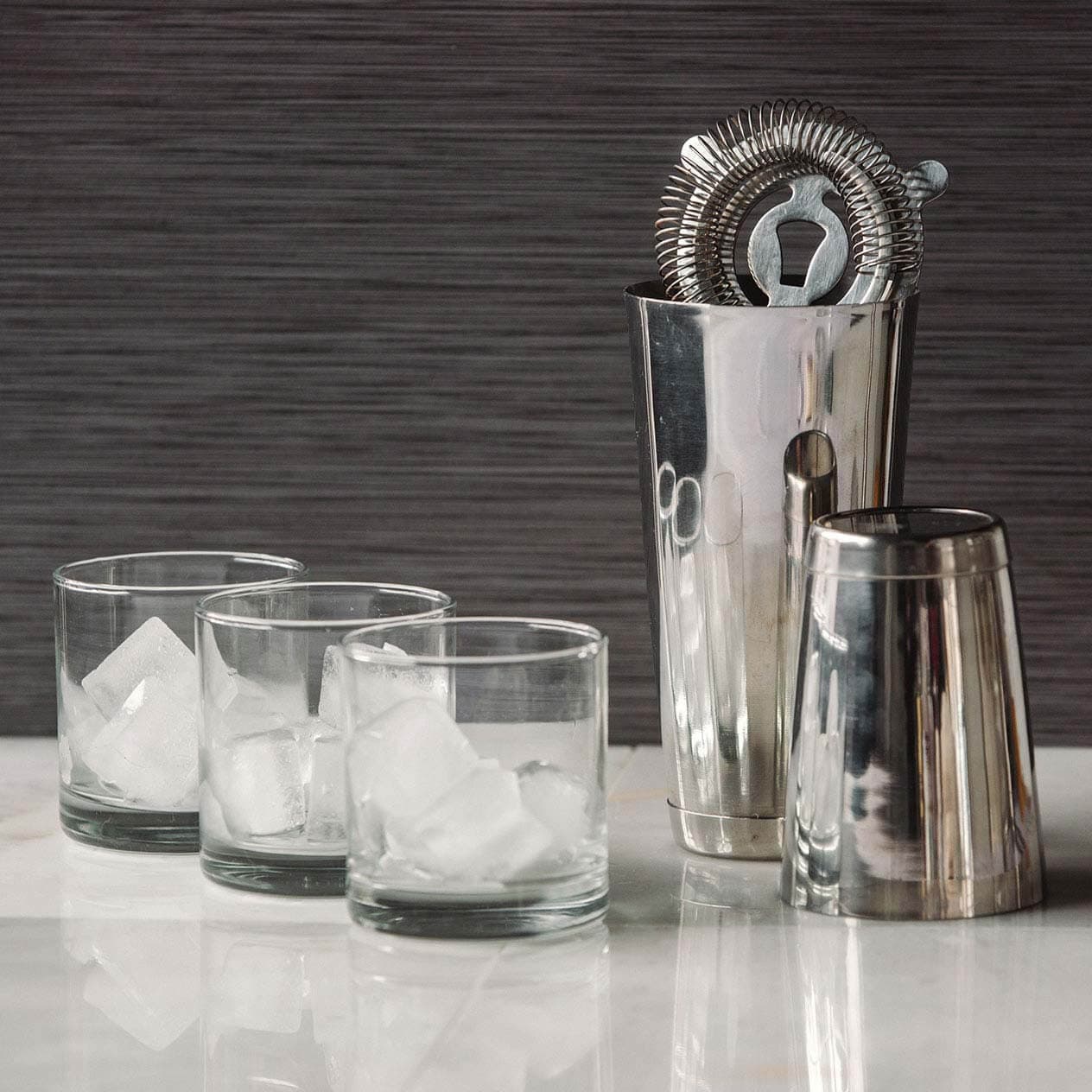
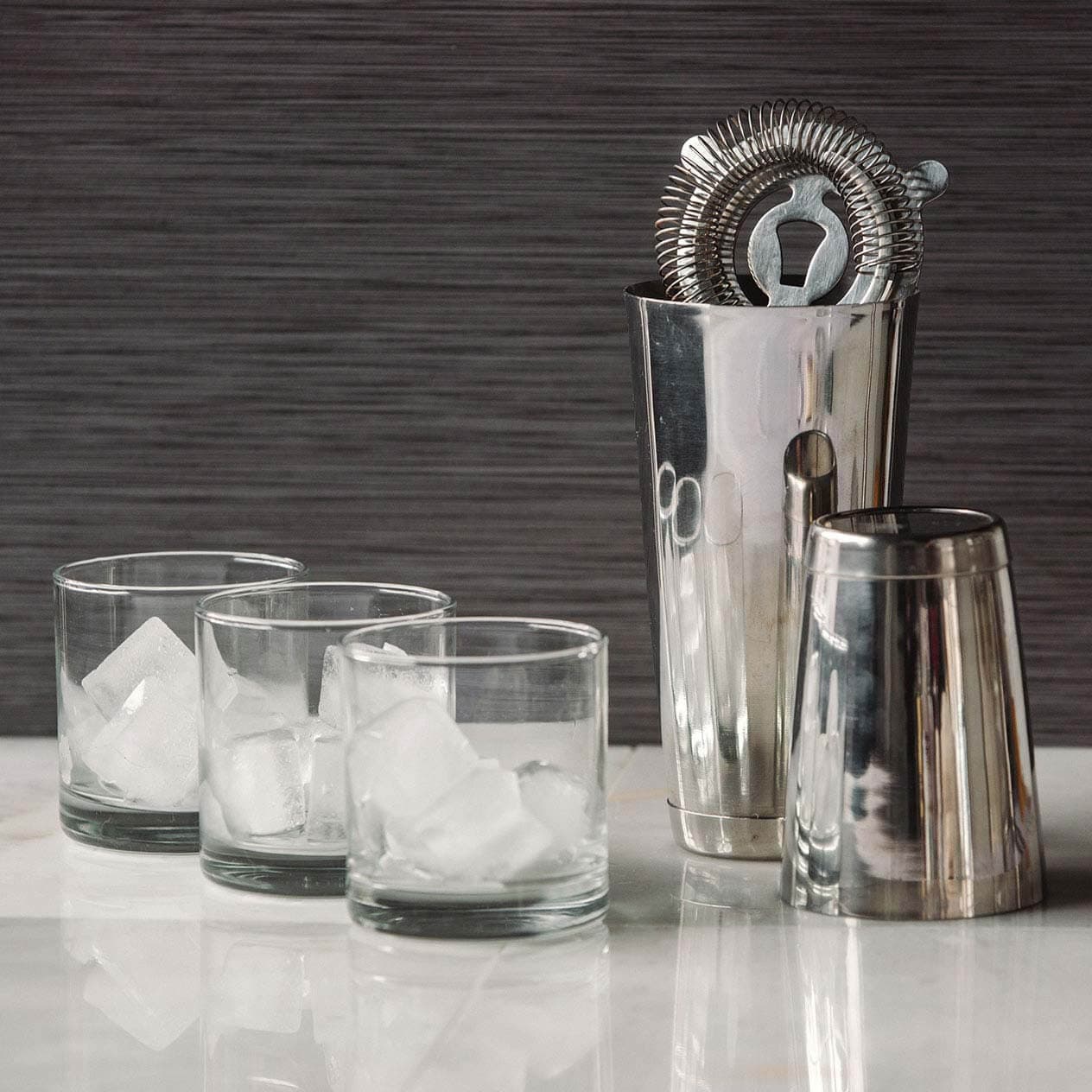
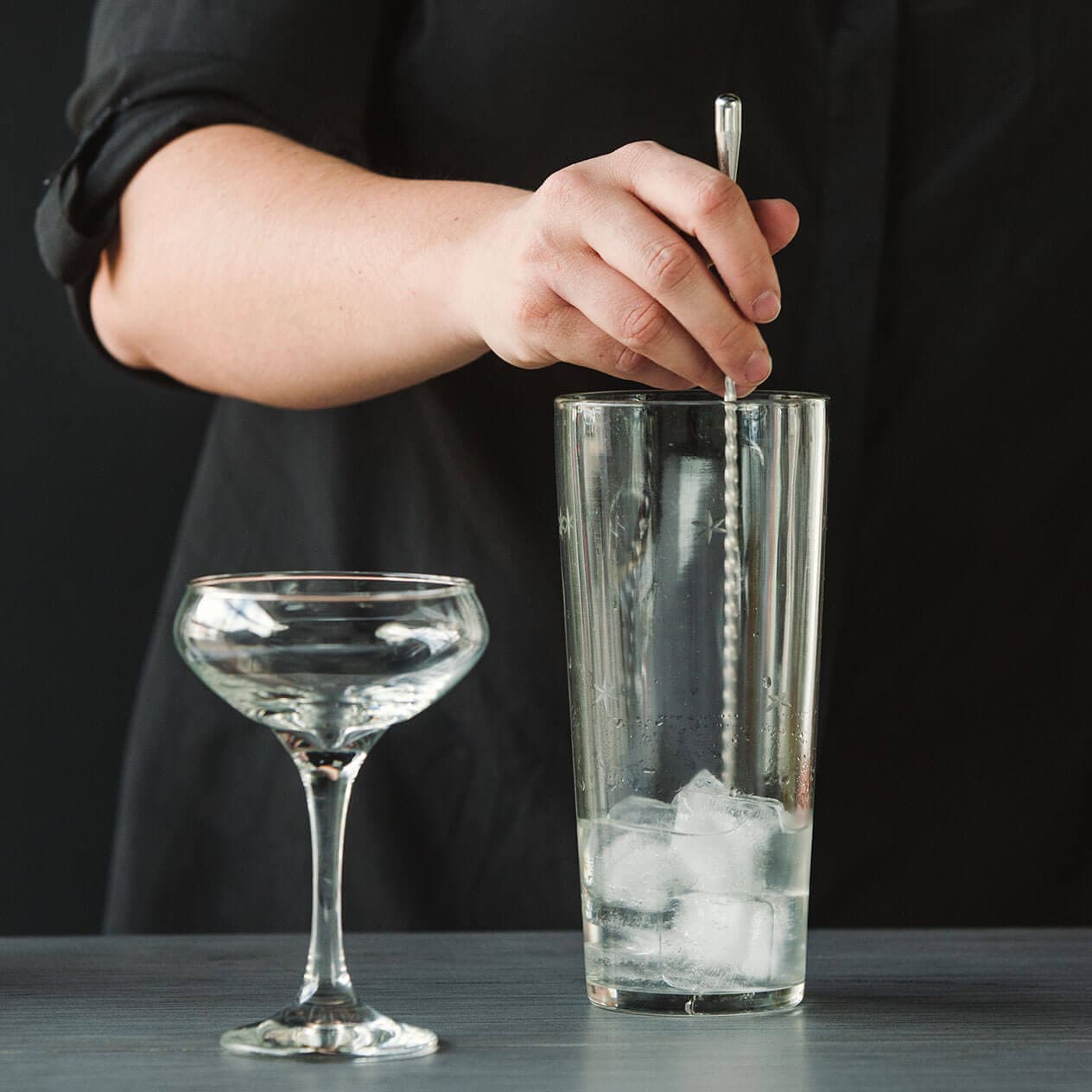
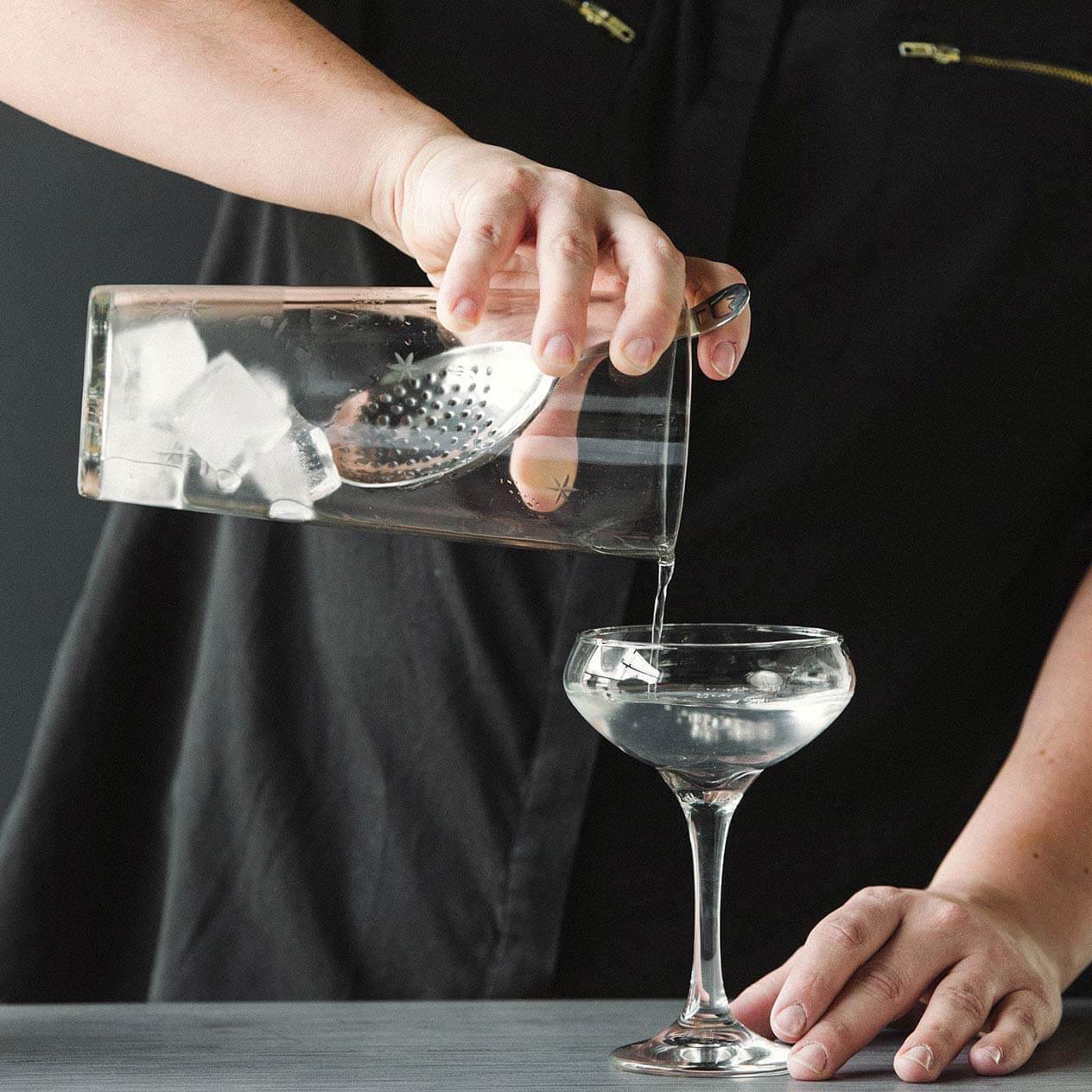
Stir well with ice and strain into ice-filled old-fashioned glass.
2
Flame orange twist and add.
Was this recipe helpful?
Tips & Notes
Pro tips
Chill your glassware in the freezer for at least 15 minutes before serving to keep the drink cold longer.
Flame the orange twist just before serving — hold it skin-side down 2–3 inches above the drink's surface, then express oils into the glass and drop it in as garnish.
Use a jigger for precise measuring; the 3:2:2 ratio of gin to Campari to elderflower is critical for balance.
Stir over ice for 30 seconds to properly chill and dilute without over-aerating; a silicone bar spoon prevents chilling the hand.
Substitutions
Plymouth gin → Tanqueray or Bols genever (spicier botanical profile)
St-Germain elderflower liqueur → Lillet Blanc or dry vermouth (less floral, more herbaceous)
Equipment
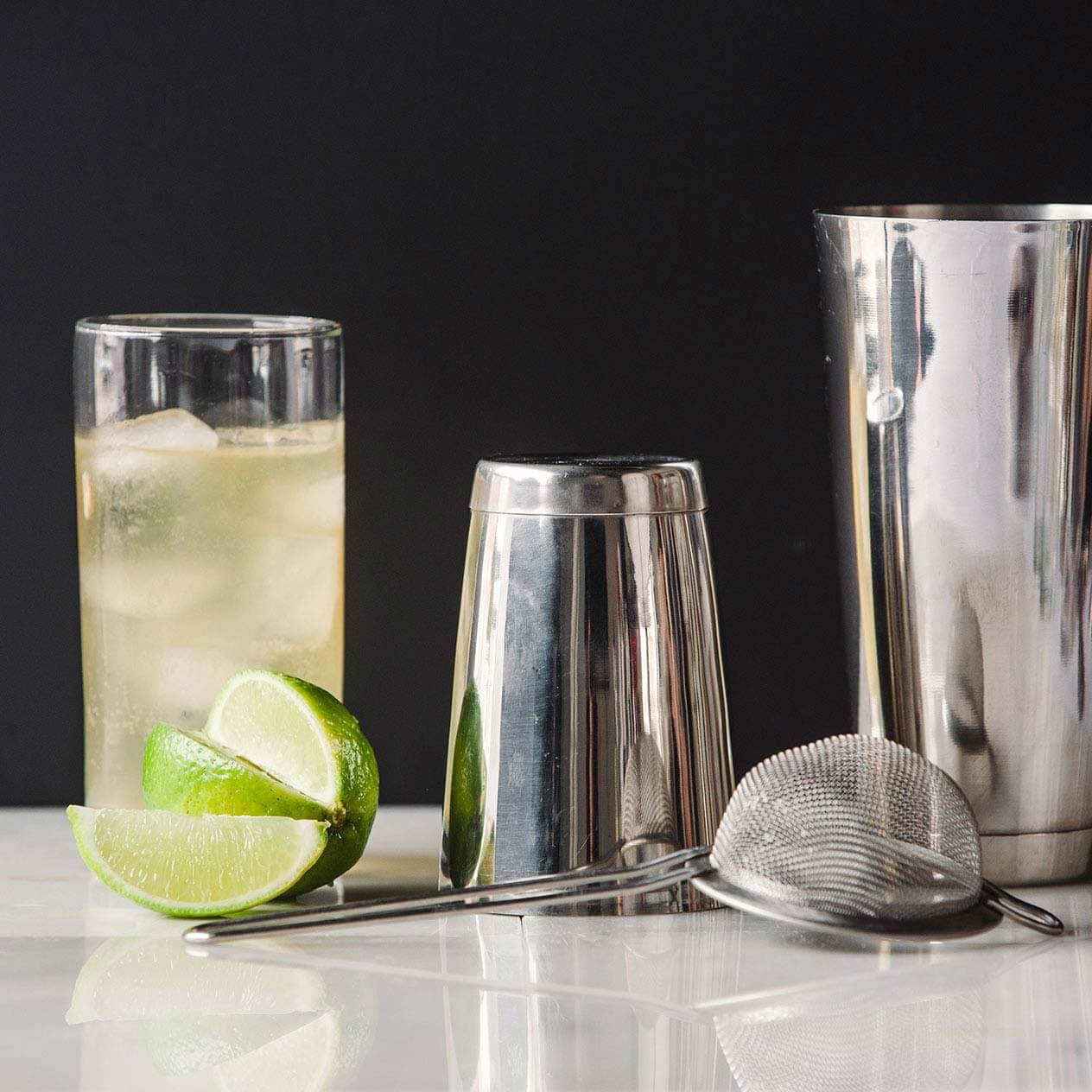
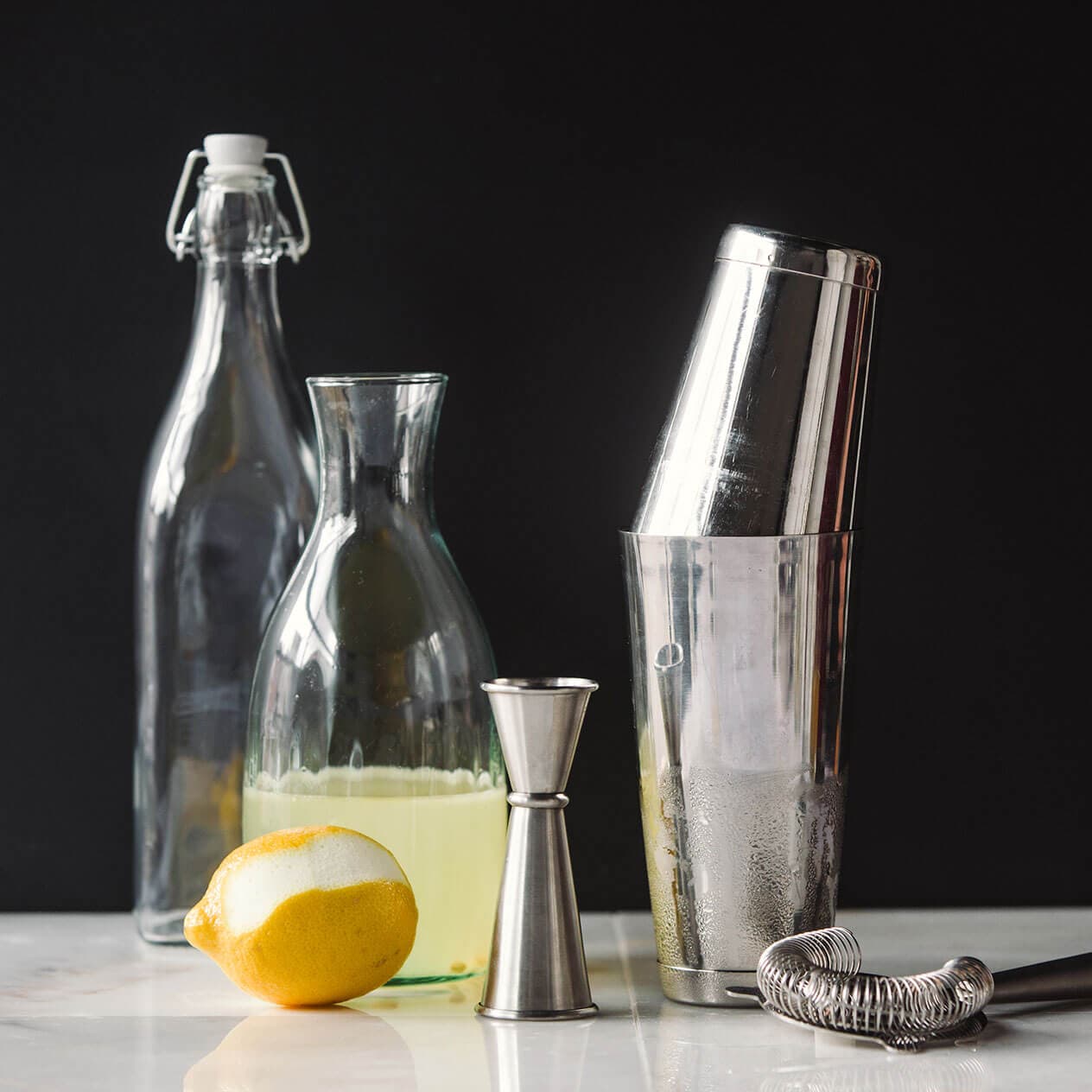
bar spoon for stirring · jigger (1.5 oz and 0.75 oz measures) · coupe or martini glass · channel knife or Y-peeler for orange twist
Common Questions
Can I make The Brothers Perryman without elderflower liqueur?
Elderflower is central to this cocktail's flavor profile. St-Germain is the standard choice, but dry vermouth or a splash of Lillet Blanc can approximate the botanical sweetness if necessary.
What does flaming the orange twist do?
Flaming caramelizes the citrus oils and adds a subtle smoky char, releasing aromatic compounds that enhance the drink's complexity and provide visual drama.
Is this cocktail best served up or on the rocks?
Serve it up (chilled and strained) in a coupe or martini glass to highlight the drink's clarity and allow the flamed garnish to shine.
What type of orange twist works best?
A thick-cut expressed peel from a firm, oily orange (such as a navel or blood orange) holds up better to flaming and releases more oils than thin peels.