How to Make Kefir
CookOS may earn a commission from Instacart orders.
Homemade milk kefir is a simple fermented probiotic drink made by culturing milk with active kefir grains. Ready in 12-24 hours with minimal equipment and just two ingredients.
CookOS may earn a commission from Instacart orders.
Homemade milk kefir is a simple fermented probiotic drink made by culturing milk with active kefir grains. Ready in 12-24 hours with minimal equipment and just two ingredients.
Check what you already have. We'll leave it off your shopping list.

Prices vary by store
*Service fees apply. Instacart® and the Instacart logo are registered trademarks of Maplebear Inc. d/b/a Instacart.
CookOS may earn a commission from Instacart orders.
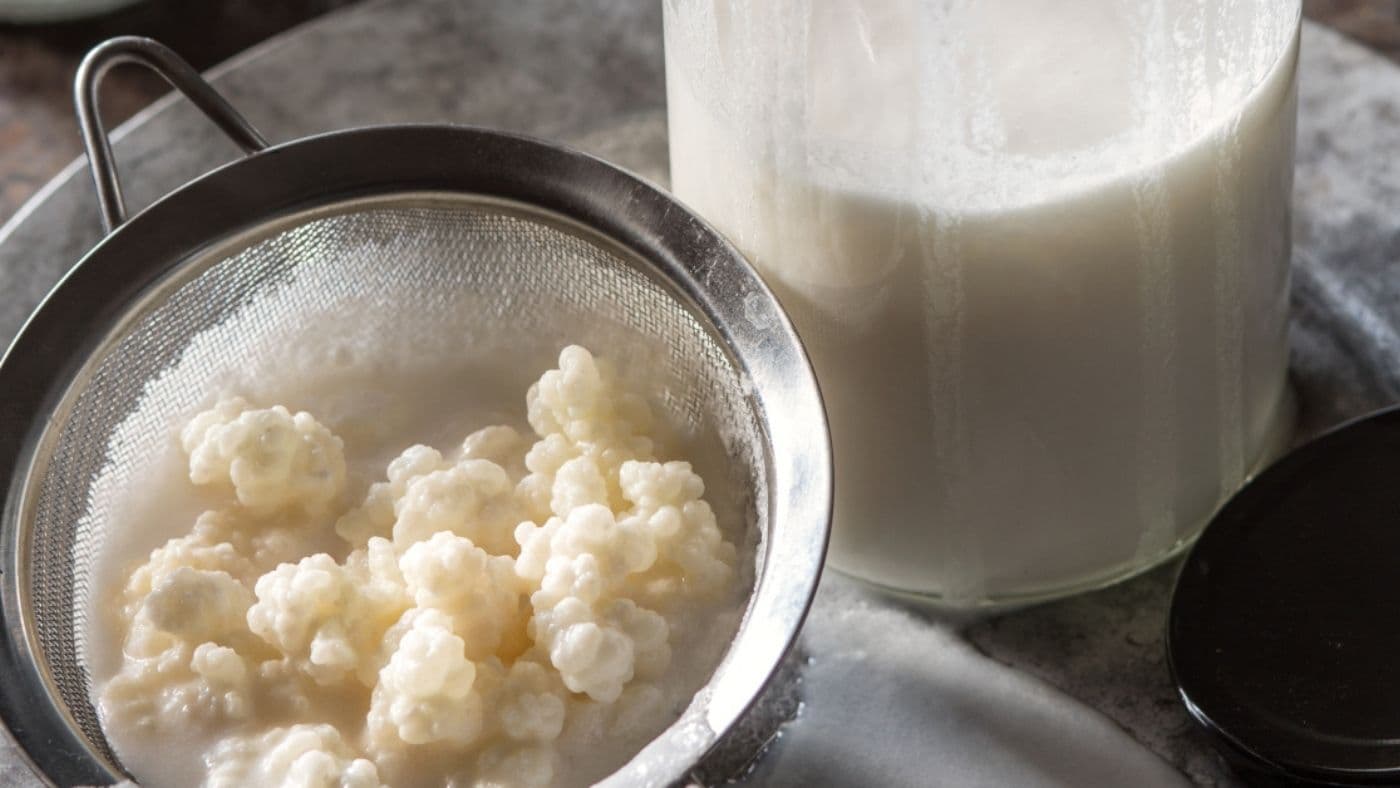
Place your active kefir grains in a clean, pint-sized glass jar.
Add 2 cups of milk and stir with a wooden or plastic spoon.
Cover your jar with either a lid, or a doubled-piece of cheesecloth secured with a rubber band.
Let the milk ferment on your counter, in a slightly warm spot, for 12-48 hours. The kefir is ready when pockets of whey start to appear, and the milk has thickened considerably.
Set a fine mesh strainer over a small glass bowl or measuring cup. Pour the fermented milk kefir into the strainer and use a plastic or wooden spoon to push the kefir through the strainer, leaving the grains behind.
Reserve the grains for your next batch of milk kefir.
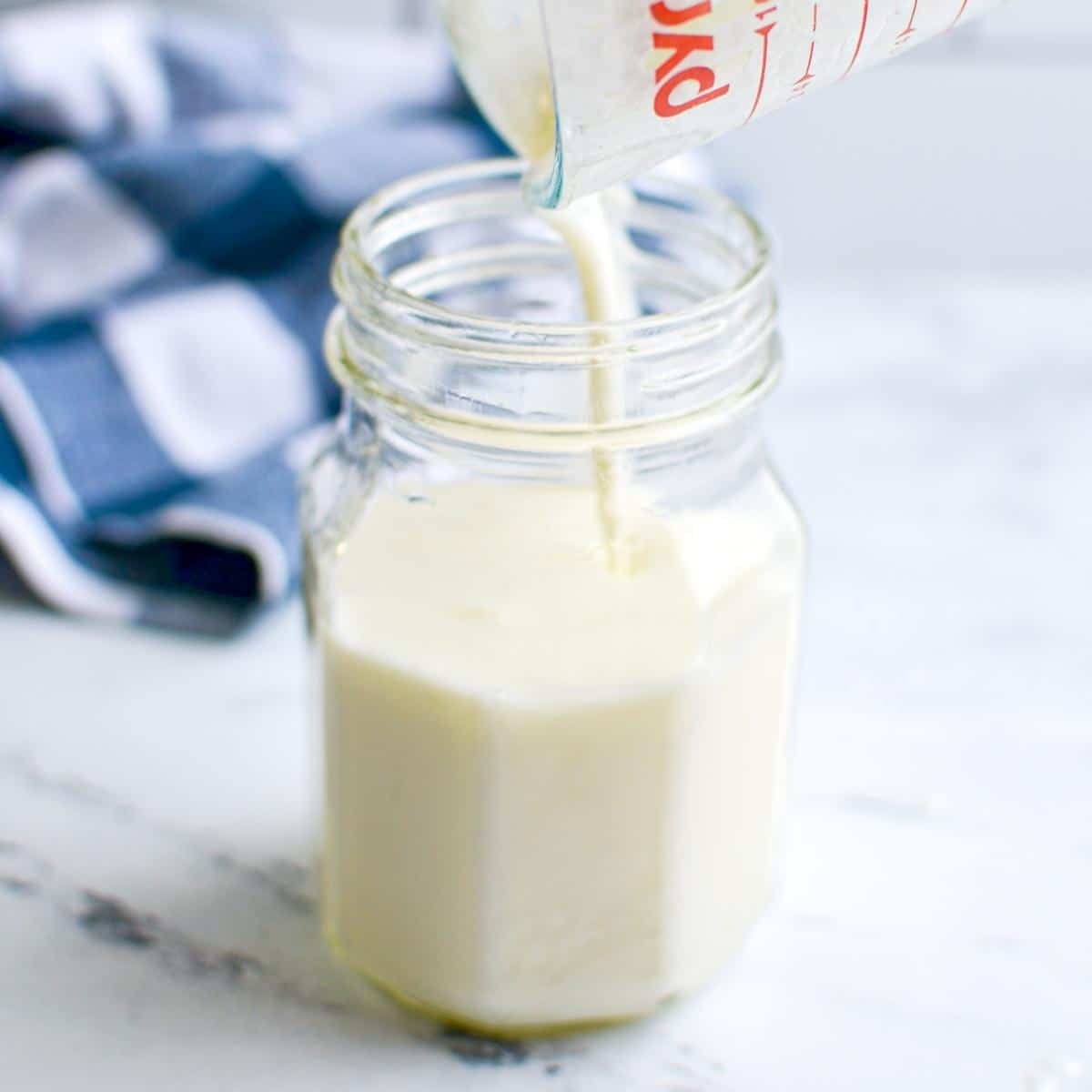
Pour the finished milk kefir into a new clean glass jar and top with a plastic lid. You may store the milk kefir in the refrigerator for later use, or you may proceed with a second fermentation.
For a second fermentation, place the covered milk kefir in a warm spot on your counter for another 12-24 hours. Secondary fermentation further reduces the milk sugars, and may help those who are slightly sensitive to dairy or lactose (although not for those who have allergies or intolerances). A secondary fermentation helps mellow the flavor as well.
If you opt for a second fermentation, store your milk kefir in the fridge after the second fermentation.
Use your grains at a ratio of 2 teaspoons for every 1 cup of milk for further batches. Store in the fridge covered with fresh milk when not in use.
Written automatically by CookOS, not by the creator.
Strain and refrigerate finished kefir in an airtight container for up to 2 weeks. Store active grains submerged in fresh milk in the fridge for up to 2 weeks between uses, or continuously culture on the counter.
fine mesh strainer or plastic colander · glass jars for fermentation · cloth or coffee filter to cover jar during fermentation
Written automatically by CookOS, not by the creator.
Milk kefir typically ferments in 12-24 hours at room temperature, depending on warmth and your desired tanginess.
Yes. Kefir grains are reusable indefinitely. Strain them after each batch and feed them fresh milk to keep them active.
Whole milk, 2%, or 1% milk all work well. Avoid ultra-pasteurized milk as it may ferment poorly; non-dairy milks require different cultures.
Kefir is ready when the milk thickens, tastes tangy, and develops a slight fizz. It should coat the back of a spoon.
Purchase active kefir grains from health food stores, online retailers, or kefir communities. Store-bought kefir cannot be cultured like grains.