Thai Red Curry with Vegetables
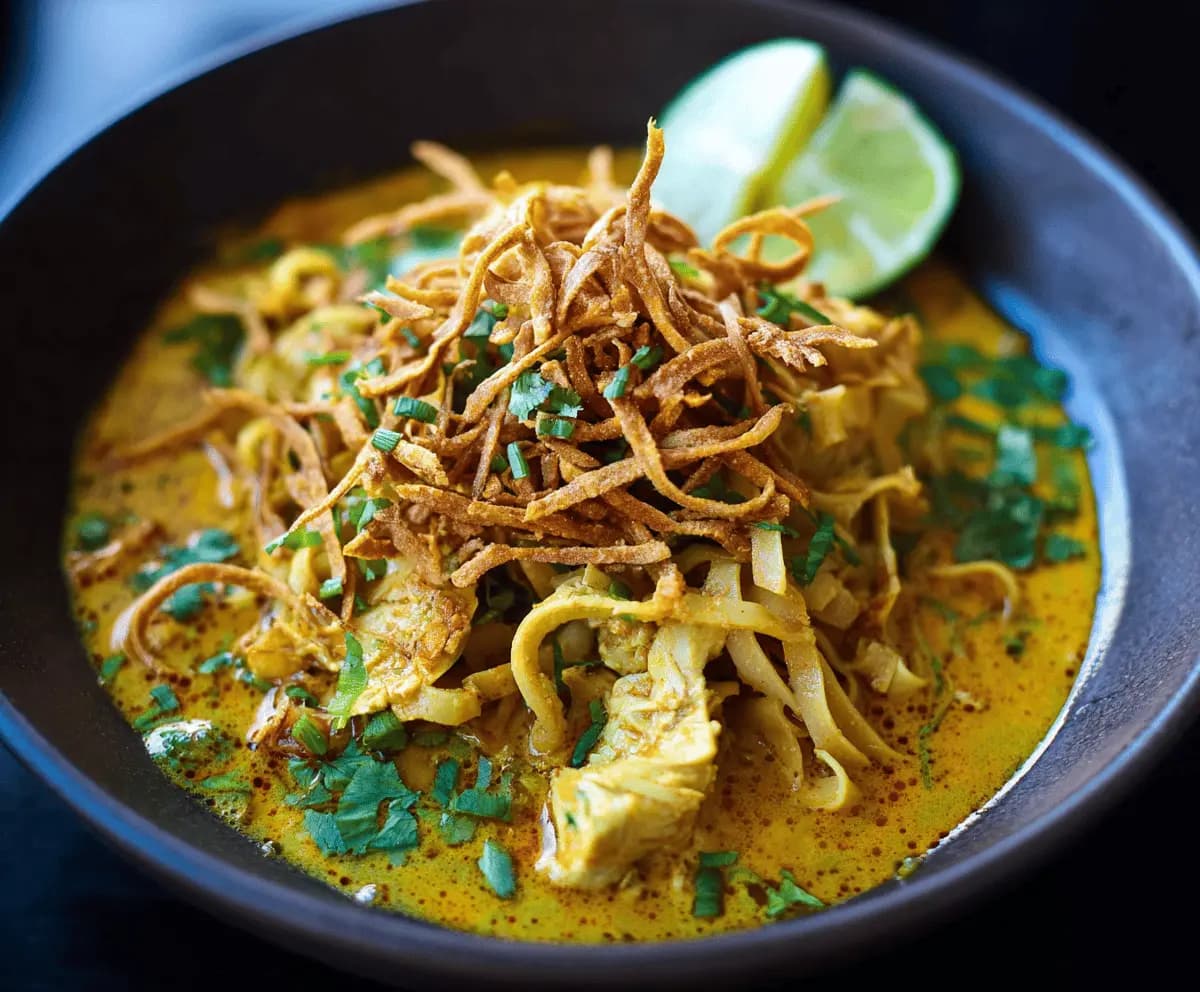
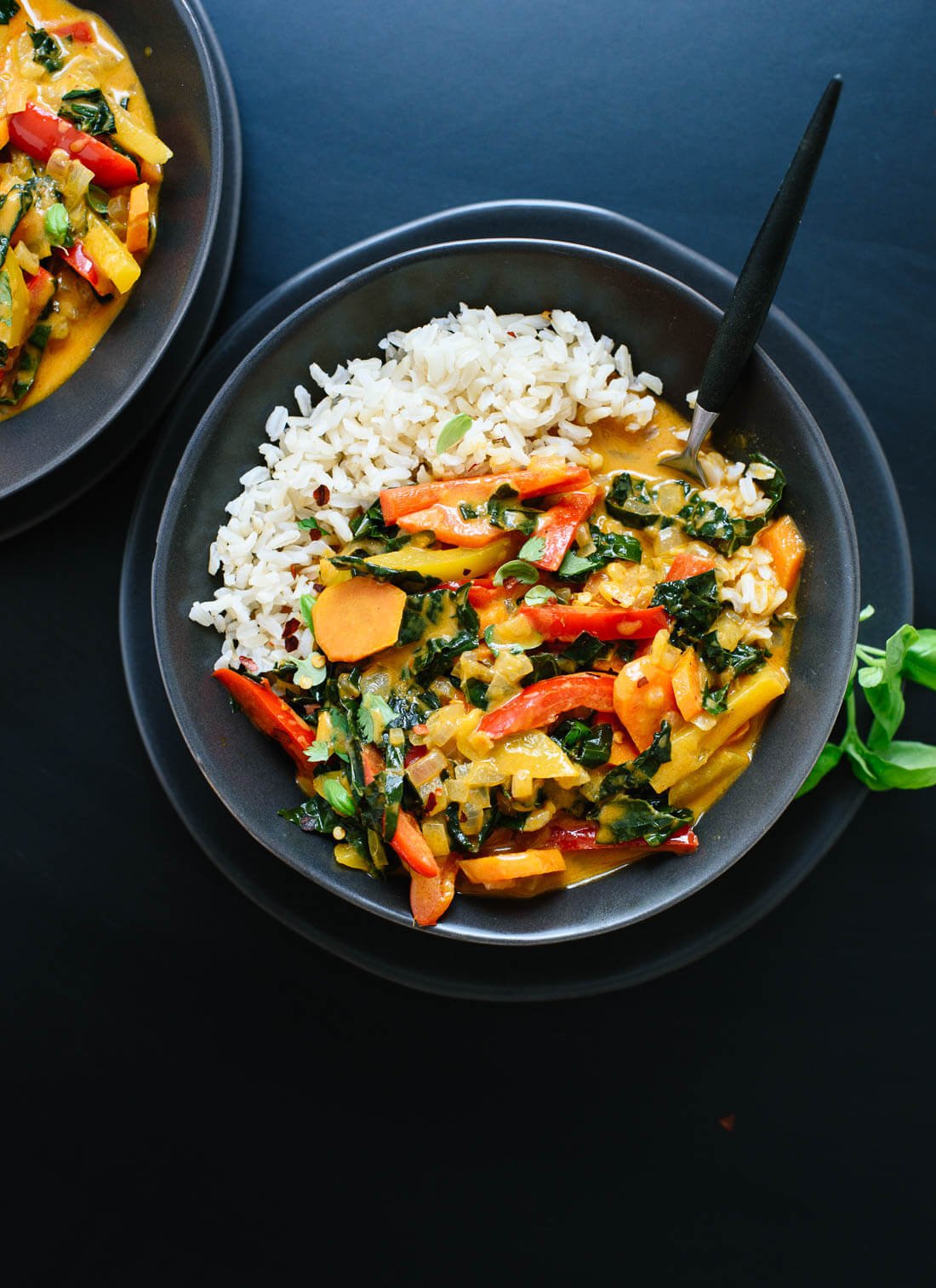
This Thai red curry combines coconut milk, Thai red curry paste, and fresh vegetables like bell peppers and carrots into a quick, customizable dish that's vegetarian, vegan, and gluten-free.
Total
40 minServings
4This Thai red curry combines coconut milk, Thai red curry paste, and fresh vegetables like bell peppers and carrots into a quick, customizable dish that's vegetarian, vegan, and gluten-free.
Check what you already have. We'll leave it off your shopping list.
CookOS may earn a commission from Instacart orders.

Prices vary by store
*Service fees apply. Instacart® and the Instacart logo are registered trademarks of Maplebear Inc. d/b/a Instacart.
To cook the rice, bring a large pot of water to boil. Add the rinsed rice and continue boiling for 30 minutes, reducing heat as necessary to prevent overflow. Remove from heat, drain the rice and return the rice to pot. Cover and let the rice rest for 10 minutes or longer, until you’re ready to serve. Just before serving, season the rice to taste with salt and fluff it with a fork.
To make the curry, warm a large skillet with deep sides over medium heat. Once it’s hot, add the oil. Add the onion and a sprinkle of salt and cook, stirring often, until the onion has softened and is turning translucent, about 5 minutes. Add the ginger and garlic and cook until fragrant, about 30 seconds, while stirring continuously.
Add the bell peppers and carrots. Cook until the bell peppers are fork-tender, 3 to 5 more minutes, stirring occasionally. Then add the curry paste and cook, stirring often, for 2 minutes.
Add the coconut milk, water, kale and sugar, and stir to combine. Bring the mixture to a simmer over medium heat. Reduce heat as necessary to maintain a gentle simmer and cook until the peppers, carrots and kale have softened to your liking, about 5 to 10 minutes, stirring occasionally.
Remove the pot from the heat and season with tamari and rice vinegar. Add salt (I added ¼ teaspoon for optimal flavor), to taste. If the curry needs a little more punch, add ½ teaspoon more tamari, or for more acidity, add ½ teaspoon more rice vinegar. Divide rice and curry into bowls and garnish with chopped cilantro and a sprinkle of red pepper flakes, if you’d like. If you love spicy curries, serve with sriracha or chili garlic sauce on the side.
Store leftovers in an airtight container for up to 3 days; reheat on the stovetop over medium heat with a splash of water or broth.
Yes. Thai green curry paste will make a spicier version; Thai panang curry paste will make a creamier, milder curry. Adjust quantity to taste.
Use about 3 cups total. Bell peppers, carrots, snap peas, broccoli, zucchini, and mushrooms all work well. Avoid watery vegetables like tomatoes unless added at the end.
Reduce the curry paste, add more coconut milk to dilute, or stir in a spoonful of coconut sugar or honey to balance the heat.
Yes. Cook fully, cool, and refrigerate up to 3 days. Reheat gently on the stovetop, adding a splash of water if it thickens.
Yes, if your curry paste is certified gluten-free. Most Thai red curry pastes are, but check the label.