Cheap vs. Expensive Olive Oil Comparison
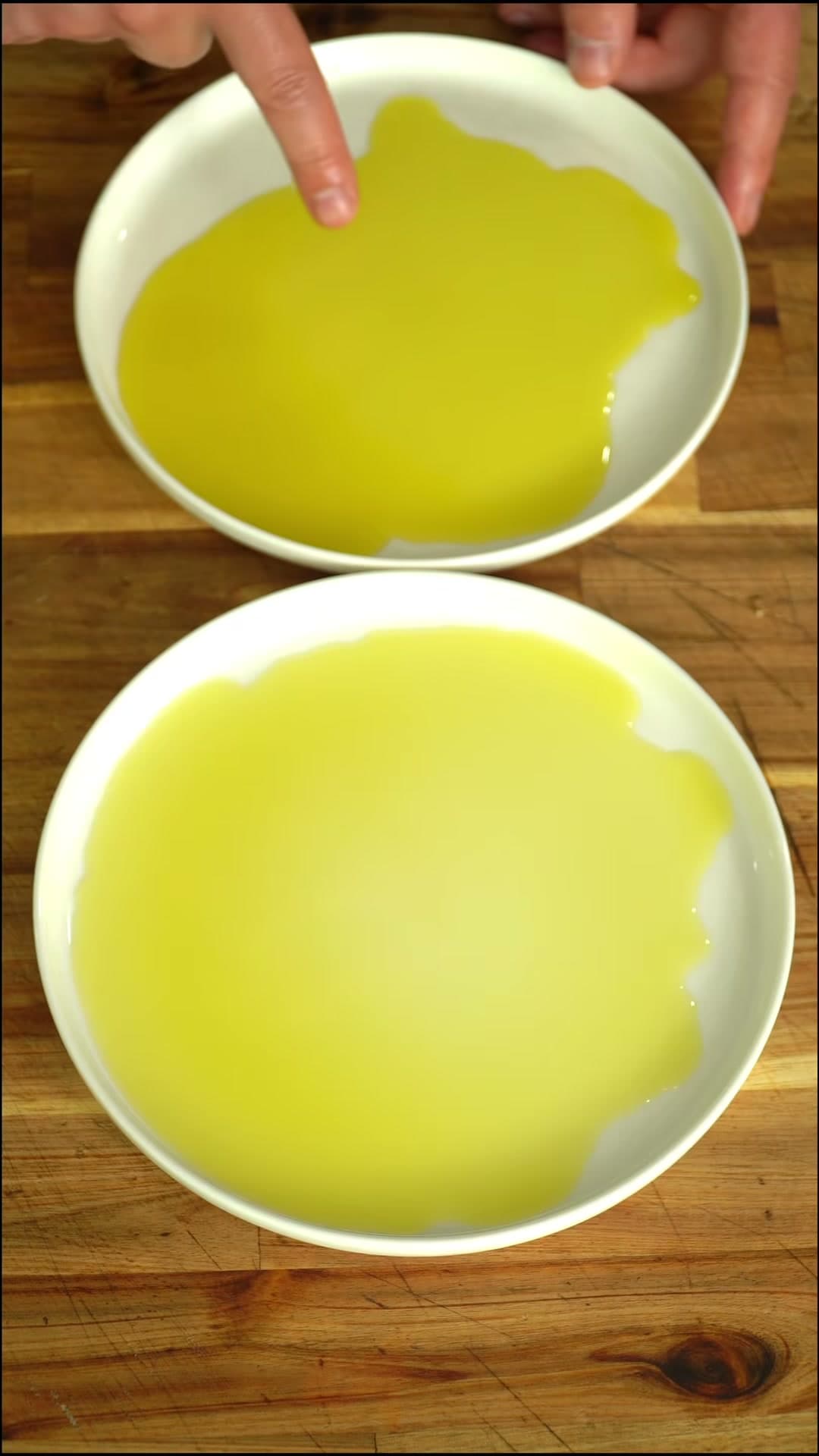
This olive oil comparison evaluates three price tiers—cheap, mid-grade, and premium—to determine whether expensive oils justify their cost through flavor complexity and texture.
This olive oil comparison evaluates three price tiers—cheap, mid-grade, and premium—to determine whether expensive oils justify their cost through flavor complexity and texture.
Store unopened bottles in a cool, dark place. After opening, keep refrigerated to preserve flavor and prevent rancidity; use within 2–3 months.
tasting cups or small bowls · bread for dipping
Cheap oils tend to be smoother but lack complex flavor notes, while expensive oils offer more nuanced taste profiles. Mid-grade options often provide the best balance of flavor and value.
For most home cooks, mid-grade extra virgin olive oil delivers excellent flavor at a reasonable price. Premium oils are better suited for finishing dishes or special occasions.
Pour a small amount into a cup, warm it slightly with your hands, smell the aroma, then sip slowly to detect flavor notes. Use plain bread to cleanse your palate between tastings.
Yes, inexpensive extra virgin olive oil works well for cooking and dipping. Reserve mid-grade or premium oils for salads and finishing dishes to appreciate their flavor.