Black Devil
M
Mr. Boston Official Bartender's GuideJun 2026Food Creator
Recipes & Content · 1022 · Page 36 of 43
Recipes, cooking tips, and food content from Mr. Boston Official Bartender's Guide
CookOS may earn a commission from Instacart orders.
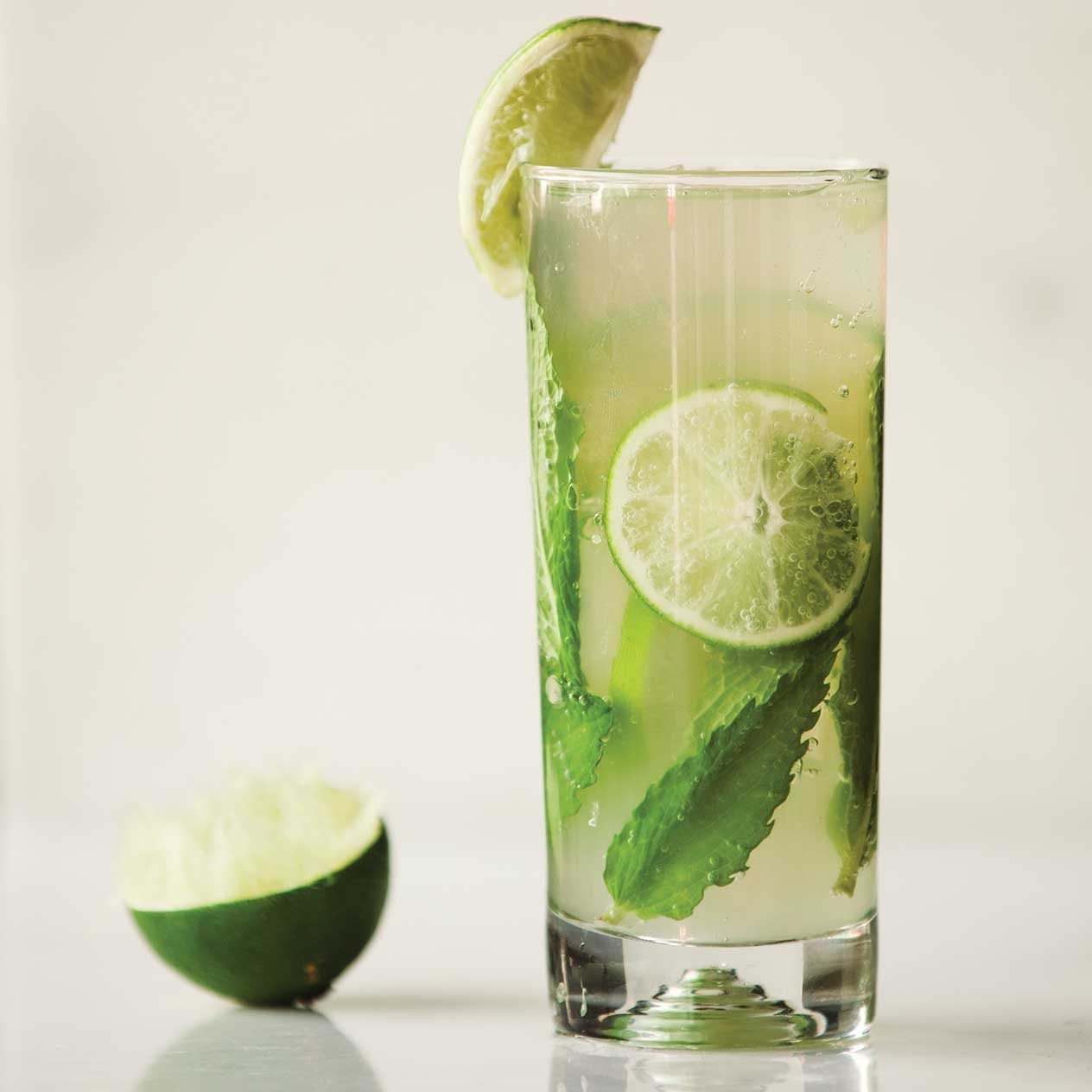
It's amazing how much of cocktail history takes place in Cuba. Then again, thanks to the dark days of Prohibition, American cocktail-enthusiasts have a very special relationship with Cuba. Not so long ago, Cuban rum was barely palatable. Even Cubans themselves had to find ways to mask its noxious funk in order to drink it. Farmers would take whatever they had on hand to make their rum go down more easily, and often what they had on hand were the ingredients to what we now know as the Mojito. As Prohibition spread across America, Havana became our favorite offshore bar. The drinks of the Cuban working class made their way to the capital and into the hands of thirsty American tourists who would later recreate them at home. It's a well-know fact that bartenders today have a love-hate relationship with the Mojito, but it remains, nevertheless, an undeniable classic.
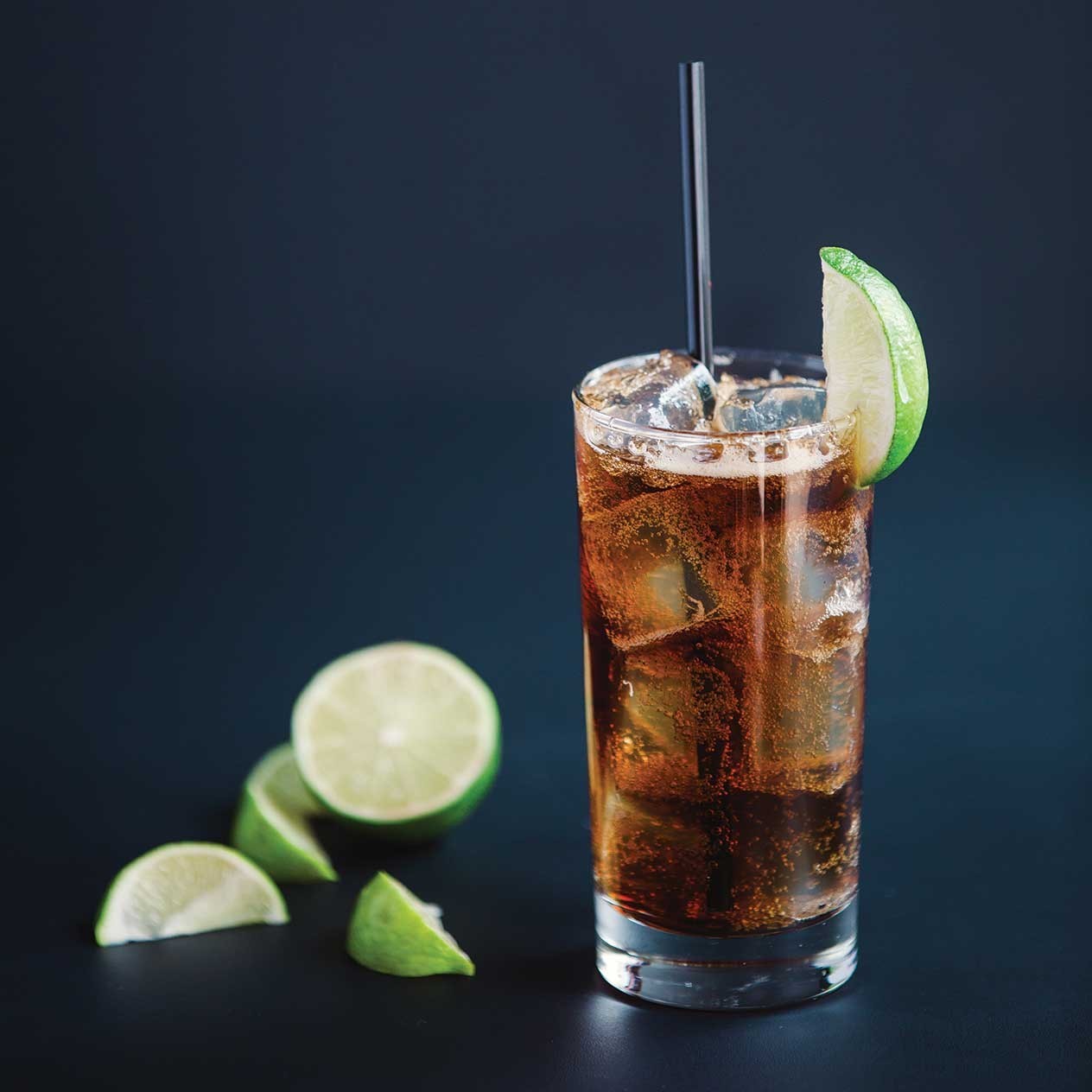
Even if you flunked Spanish 101, you probably already know that Cuba Libre means Free Cuba. This was both a battle cry during the Spanish-American War and a celebratory toast thereafter. Once Cuba had won its independence from Spain, Coca-Cola was sold freely on the Cuban market. It was a commonly mixed with Cuban rum—usually Bacardí—and a squeeze of lime. During the Second World War, American spirits were scarce outside the military, and the only substitute imported in substantial quantities was Caribbean rum. Due to the rationing of sugar, there were few products to mix with alcohol aside from Coca-Cola. Thus, the Cuba Libre surged in popularity. The harsh truth is that after Coca-Cola removed some of its more dubious components in 1903, we'll never know what the original Cuba Libre was like. But that shouldn't stop anyone from toasting “Por Cuba libre!”
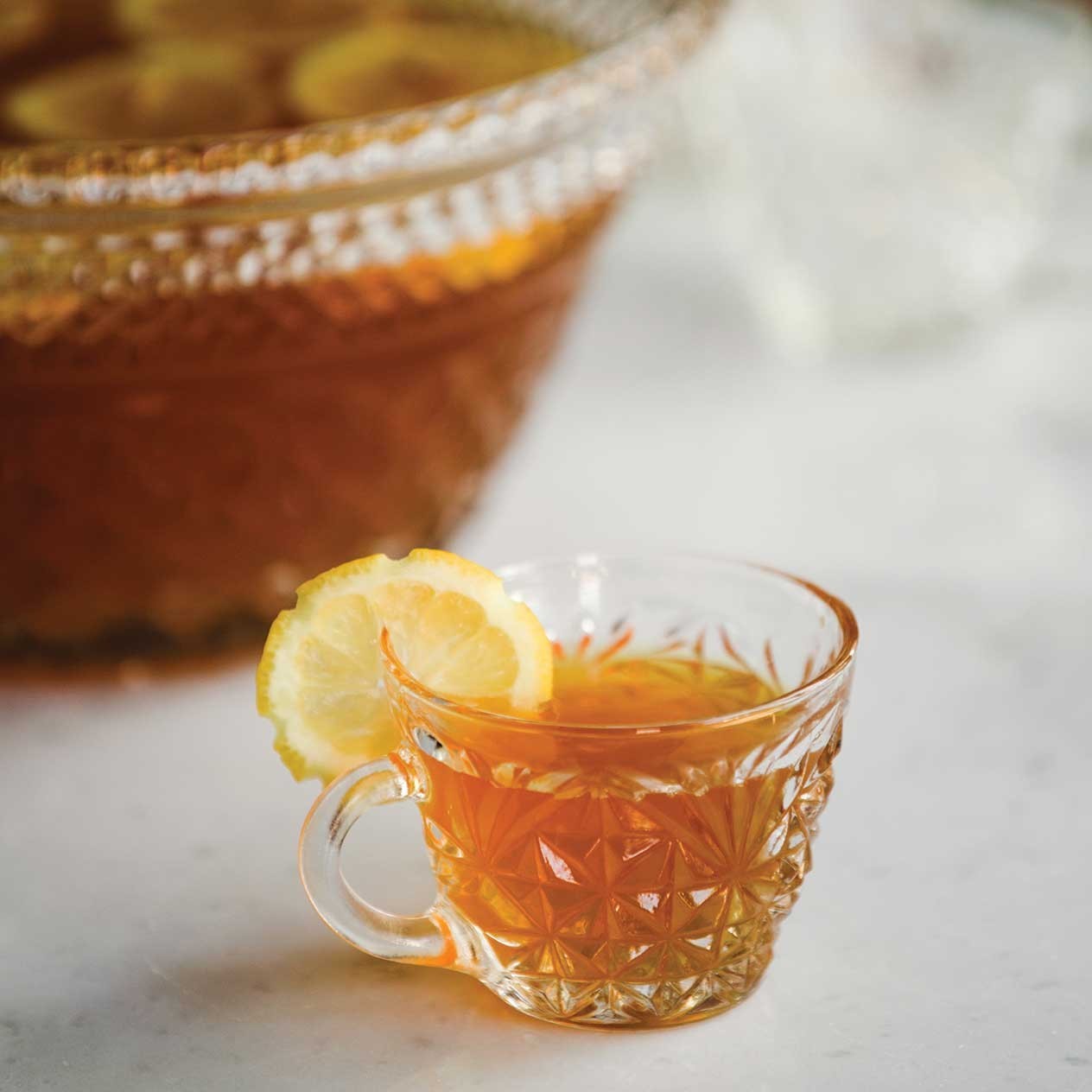
Philadelphia summers are hot. Air conditioning certainly helps, but in the middle of the 1700s, a century and a half before it was invented, alternative cooling methods had to be employed. Enter Fish House Punch. In 1732, Philadelphia saw the founding of the State in Schuylkill Fishing Corporation, a fishing club for some of its elite. They built a clubhouse on the edge the Schuylkill (pronounced “Skookul”) River and fiddled around with punch recipes until they settled on an official one. Apparently, these guys really knew what they were doing. The club is still functional, and their punch is still delicious. Like other punch recipes, this would've originally been mixed up in a substantial quantity in a punch bowl and served to a large group. This stuff is so tasty you might be inclined to drink the whole bowl yourself. Watch out though. This punch is mighty potent.
For creators
CookOS gives your recipes a clean, ad-free home your fans will love: no 2,000-word life stories, nothing burying your work. Claim your profile to control how your recipes, links, and story show up, with tools built to grow your audience and your content.