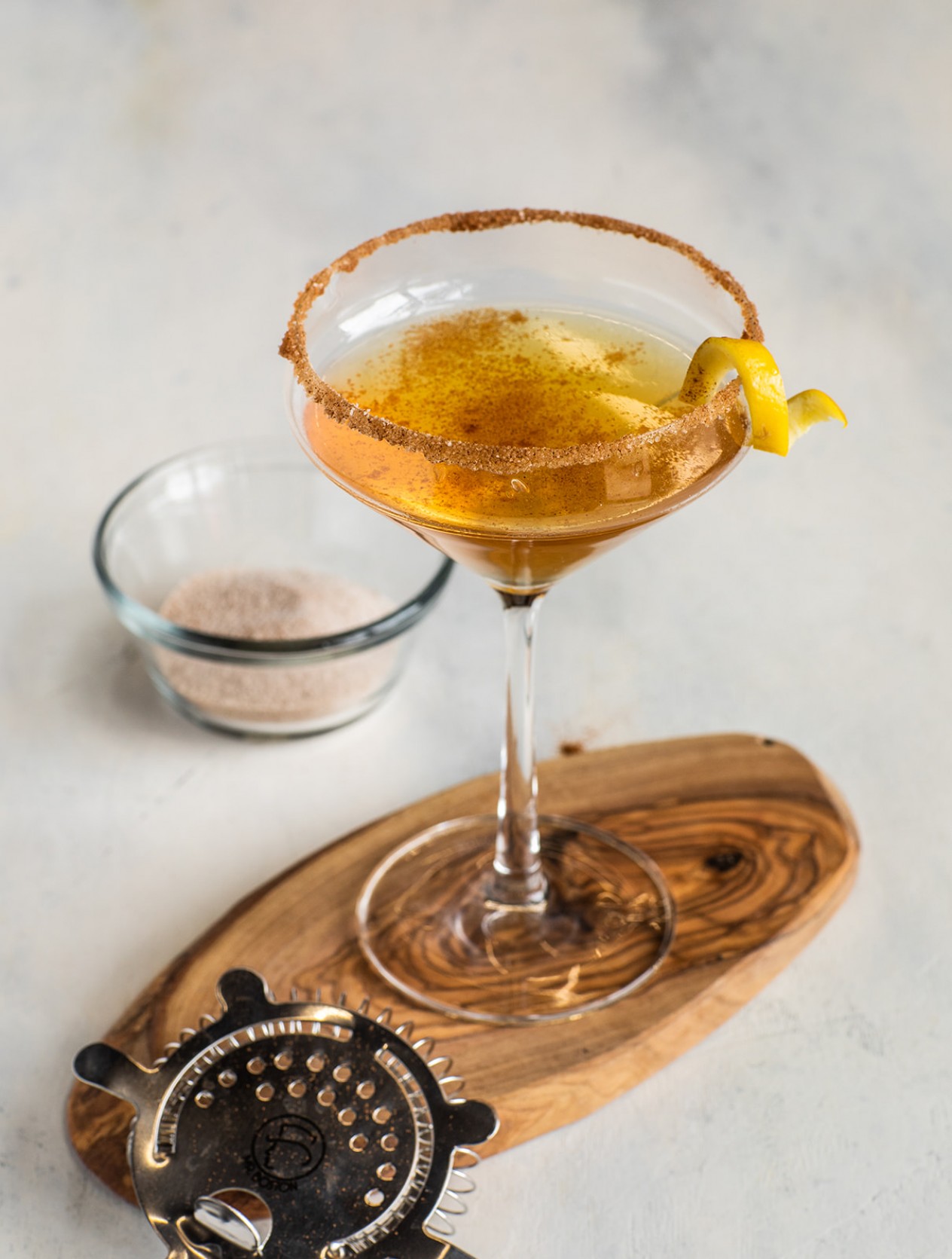
Cable Car
This drink is a specialty of star mixologist Tony Abou-Ganim.
M
Mr. Boston Official Bartender's GuideJun 2026Food Creator
Recipes & Content · 1022 · Page 5 of 43
Recipes, cooking tips, and food content from Mr. Boston Official Bartender's Guide
This drink is a specialty of star mixologist Tony Abou-Ganim.
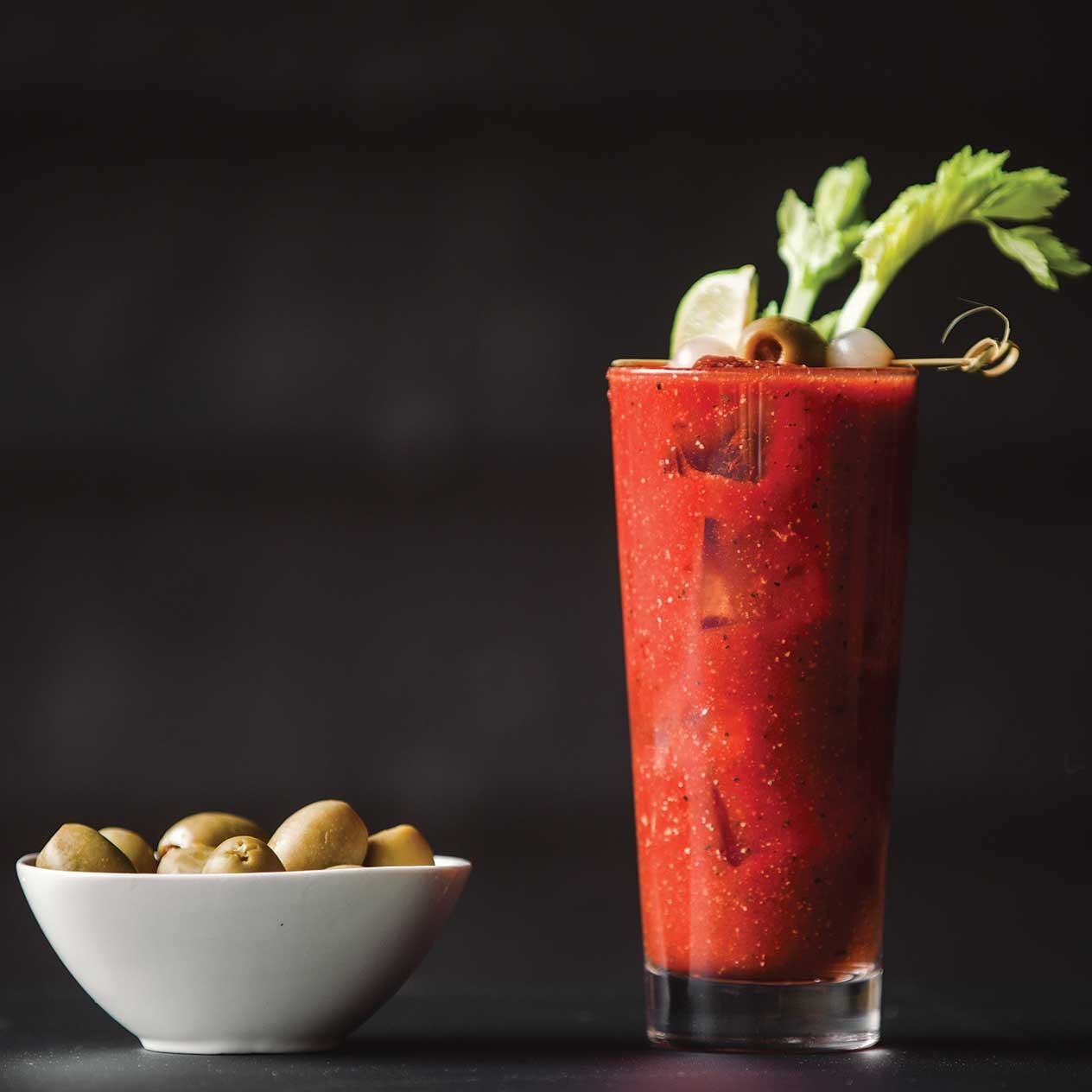
All hail the Bloody Mary, queen of cocktails and hair of the dog incarnate, gracing brunch tables everywhere since, well…sometime in the early 1900s. Most everyone is familiar with at least some variation of this drink. The original version was said to be nothing but half vodka and half tomato juice. Luckily, people have been adding multitudes of spices, seasonings, and any other kind of flourish you can imagine for almost a century. More recent trends tend to revolve around the garnish. One can easily find a Bloody Mary with practically an entire salad and even meat served atop it for brunch on Sunday mornings. Many versions also make use of other base spirits such as gin, tequila, bourbon, or rye. Whatever your taste, this classic pick-me-up is sure to be easy to find in most any bar.
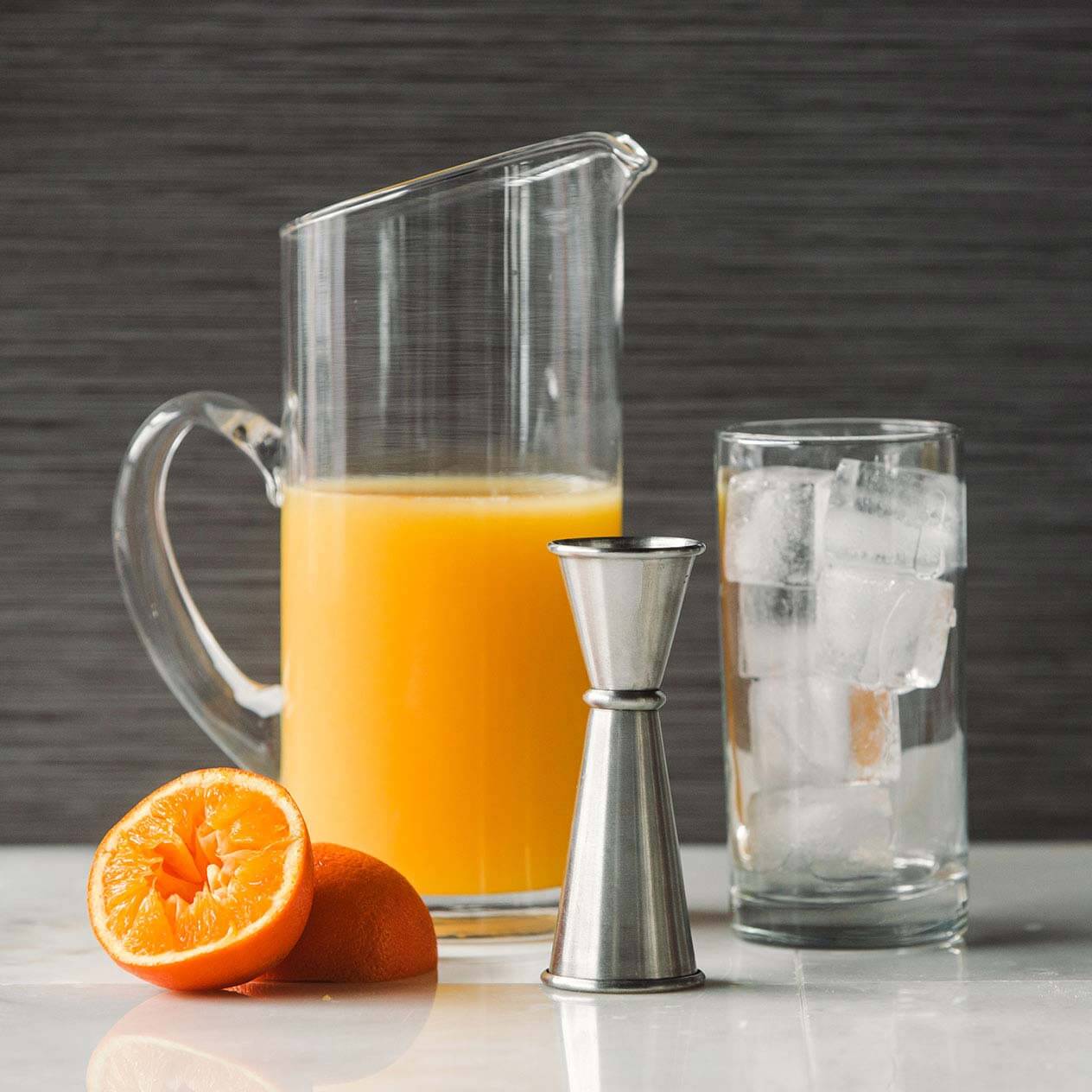
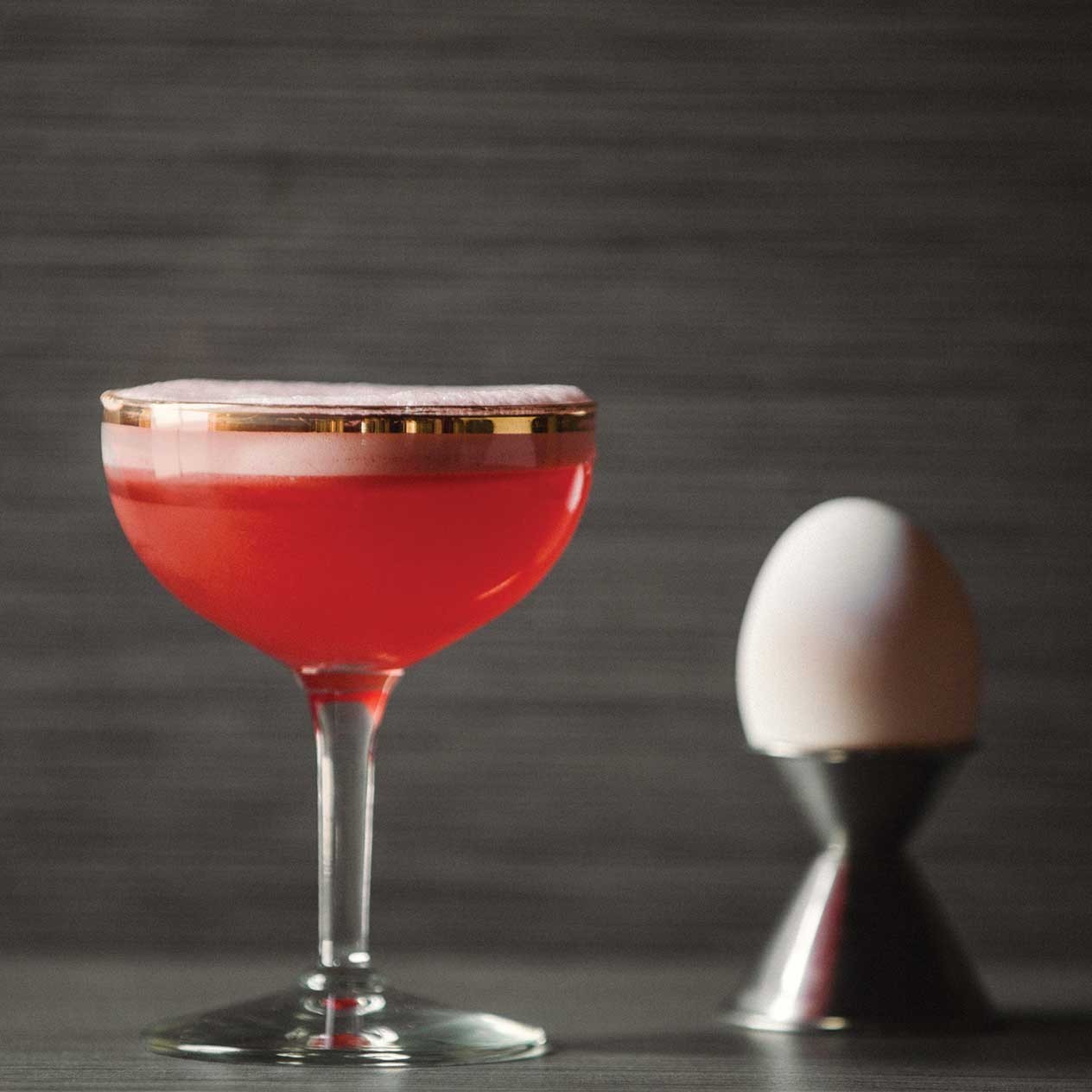
The Pink Lady, like many pink drinks, has been the object of sexism for many decades. This cocktail was already being served prior to the Prohibition era, but rose to prominence during those dark days when alcohol was a crime in America due to a need to mask the unpleasant flavors of bathtub gin and the like. After Prohibition, the Pink Lady was heaped in with all the other “girly drinks” and fell out of favor with male cocktail critics. At one point, it even ended up on Esquire's list of the ten worst cocktails. The truth is that this cocktail is no sweeter than most others and actually has a pretty complex flavor profile due in part to applejack and real grenadine. We think it's time to give the Pink Lady another chance. After all, sexism is so 20th century.
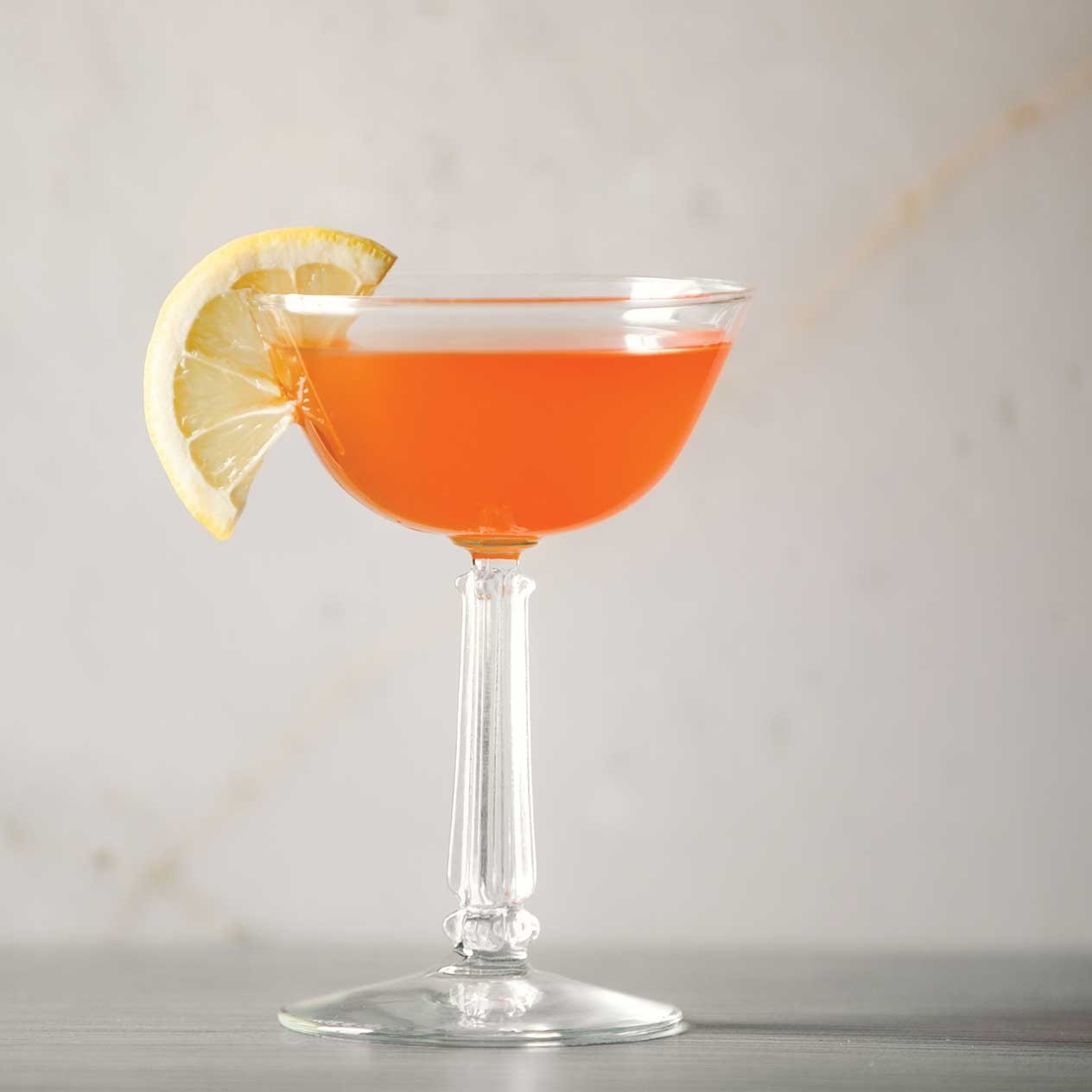
The Pegu Club cocktail originated the Pegu Club in Rangoon, the capital of Myanmar or Burma, which was formerly part of the British Empire. The Pegu Club, named for the nearby Pegu River, made its way around the world with Brits and foreigners alike in the early 20th century. No one is certain who created it or when it was invented, but it must have been before 1927, as that was the year of publication of Harry MacElhone's Barflies and Cocktails, which was the first book to make mention of the Pegu Club. From there it became a mainstay in bar culture and a clear cultural reference.
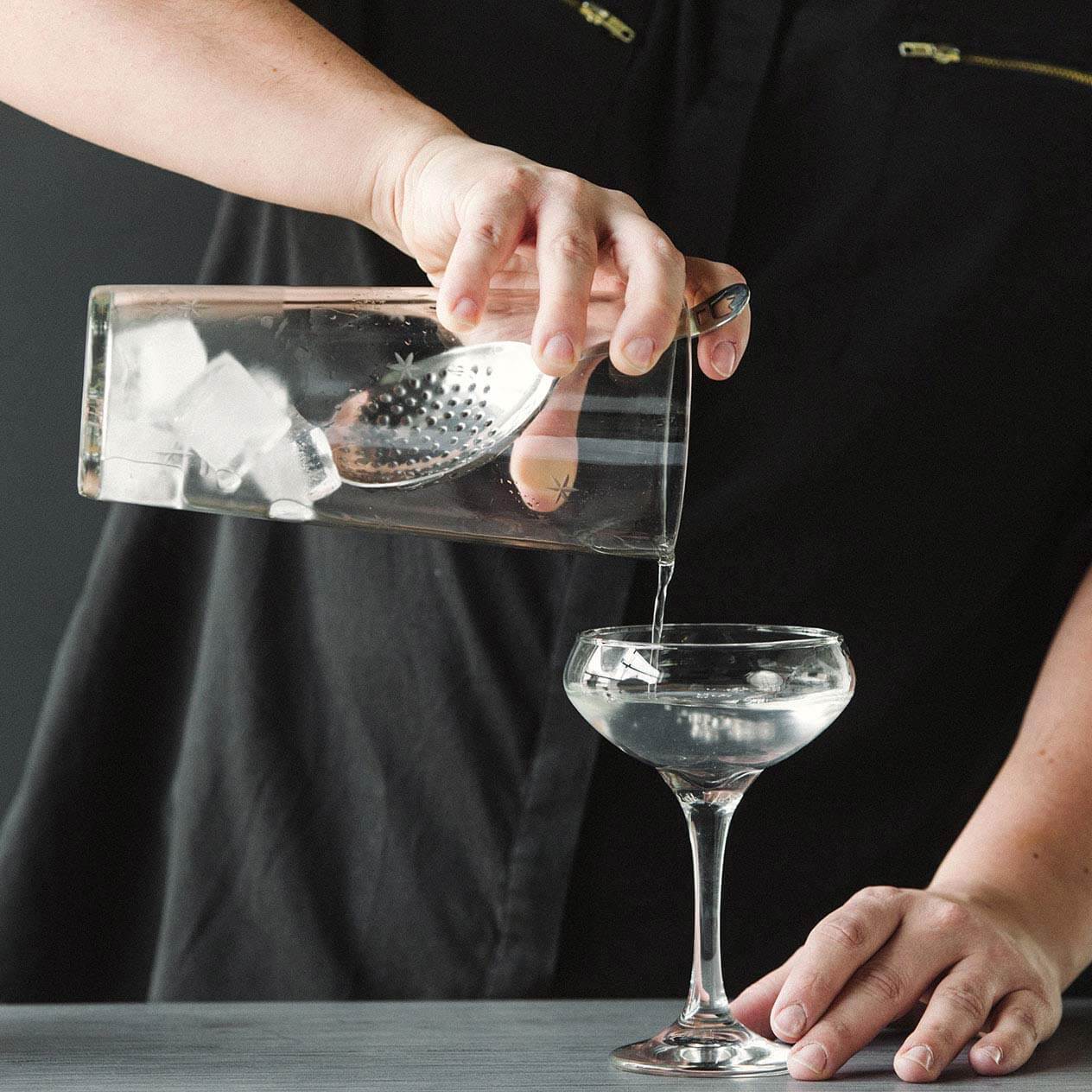
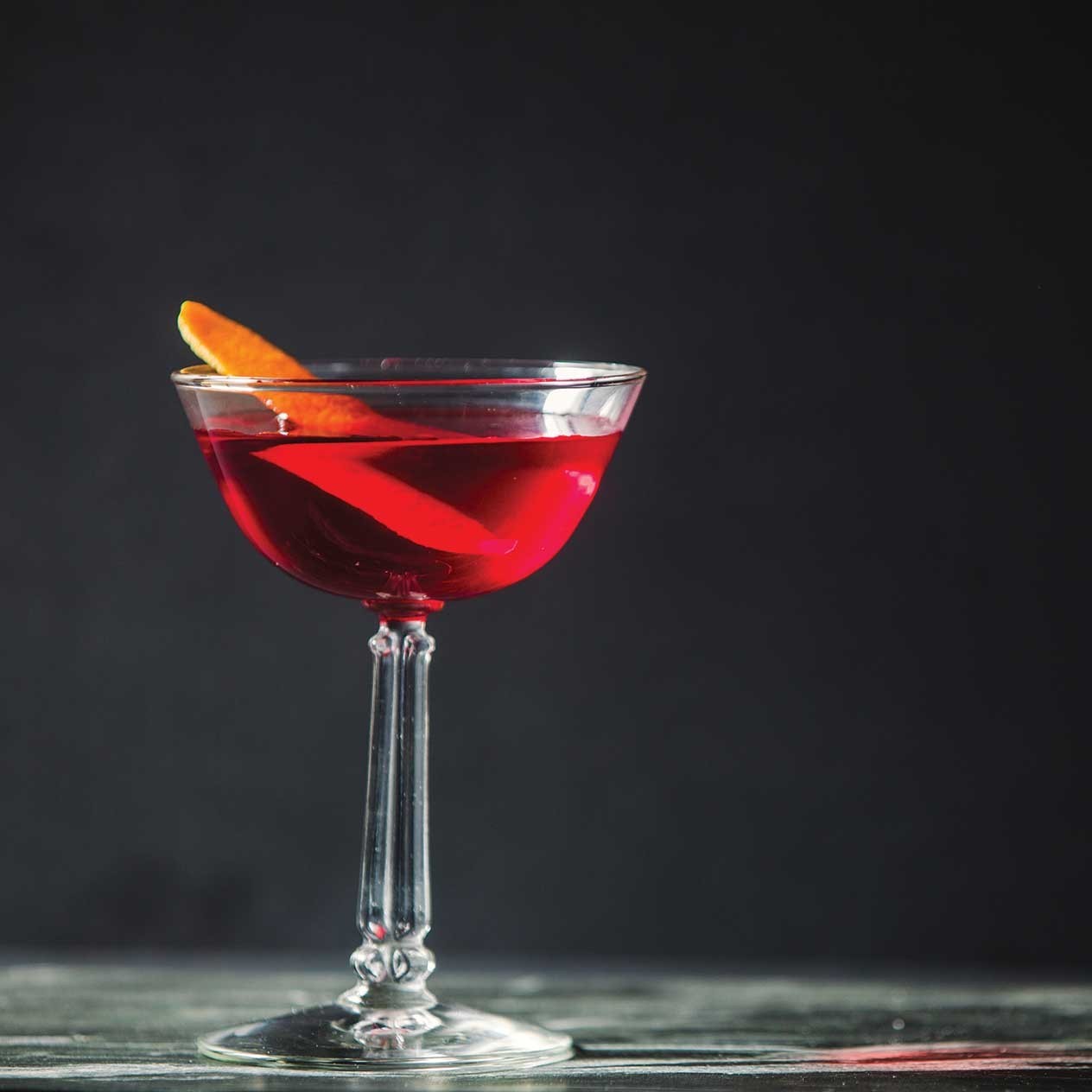
The story of the Negroni is a curious tale indeed. Sometime around 1920, an Italian Count named Camillo Negroni, who had recently returned from working as a rodeo cowboy in America—yes, a rodeo cowboy—went to a caffè. There, he ordered his favorite drink, an Americano, but requested that the bartender liven it up a bit by replacing the soda water with gin. The bartender also replaced the Americano's traditional lemon slice with an orange slice and named the drink after the Count. For years, the Negroni was an Italian favorite, but it didn't leave home until well into the 21st century. A full-throttle cocktail renaissance had opened Americans back up to the taste of gin and bitters, so the moment was finally right for the Negroni to make it's way to America, where it has become a mainstay on cocktail menus everywhere.
For creators
CookOS gives your recipes a clean, ad-free home your fans will love: no 2,000-word life stories, nothing burying your work. Claim your profile to control how your recipes, links, and story show up, with tools built to grow your audience and your content.