Southern Bride
M
Mr. Boston Official Bartender's GuideJun 2026Food Creator
Recipes & Content · 1022 · Page 3 of 43
Recipes, cooking tips, and food content from Mr. Boston Official Bartender's Guide
CookOS may earn a commission from Instacart orders.
A hundred years after the Old-Fashioned, near the end of the 1800s, we find the Manhattan. In the second half of the 1800s cocktails began to really catch on, and bartenders were expanding both their repertoire of drinks and the palette of products at their disposal for making them. Simplicity of design, however, was still very much at the core of all drinks. The Manhattan appears to have come onto the scene about 1882, at which time it was mentioned that a cocktail made from just whiskey, sweet vermouth, and bitters was coming into vogue. It went by not only "Manhattan", but also "Turf Club Cocktail" and "Jockey Club Cocktail". The "Manhattan" moniker almost certainly comes from the Manhattan Club of New York, with the other clubs eager to have their names attached to the drink as well.
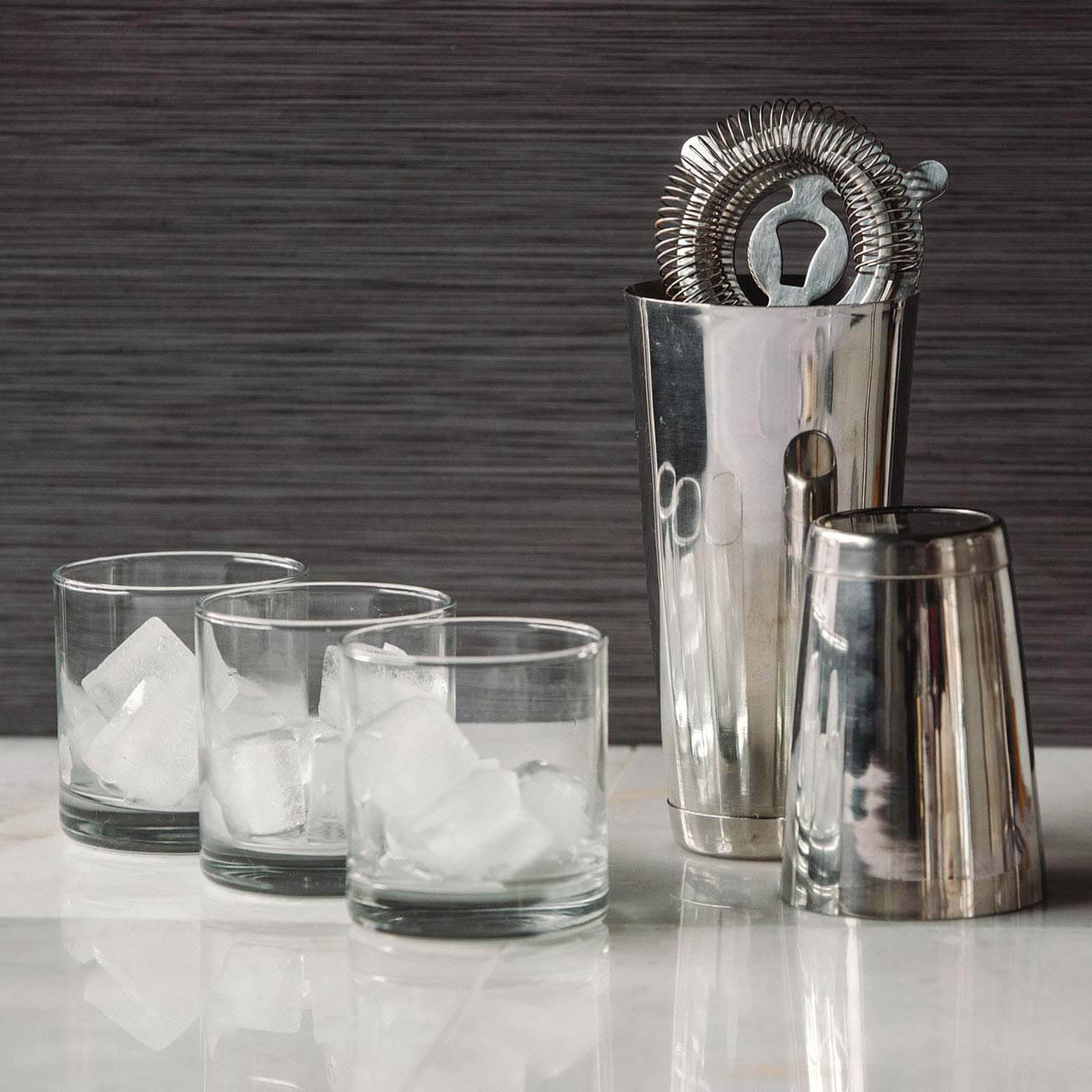
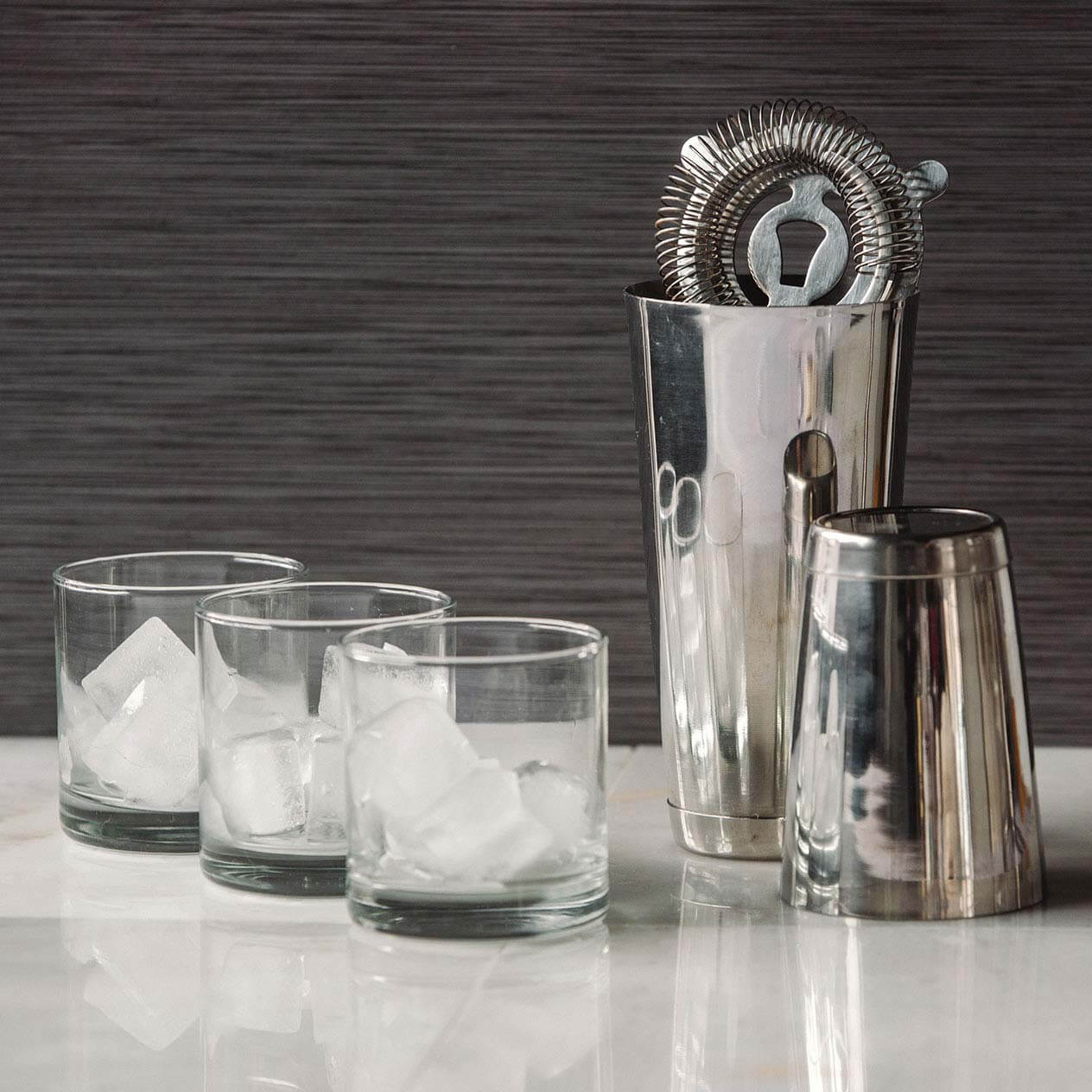
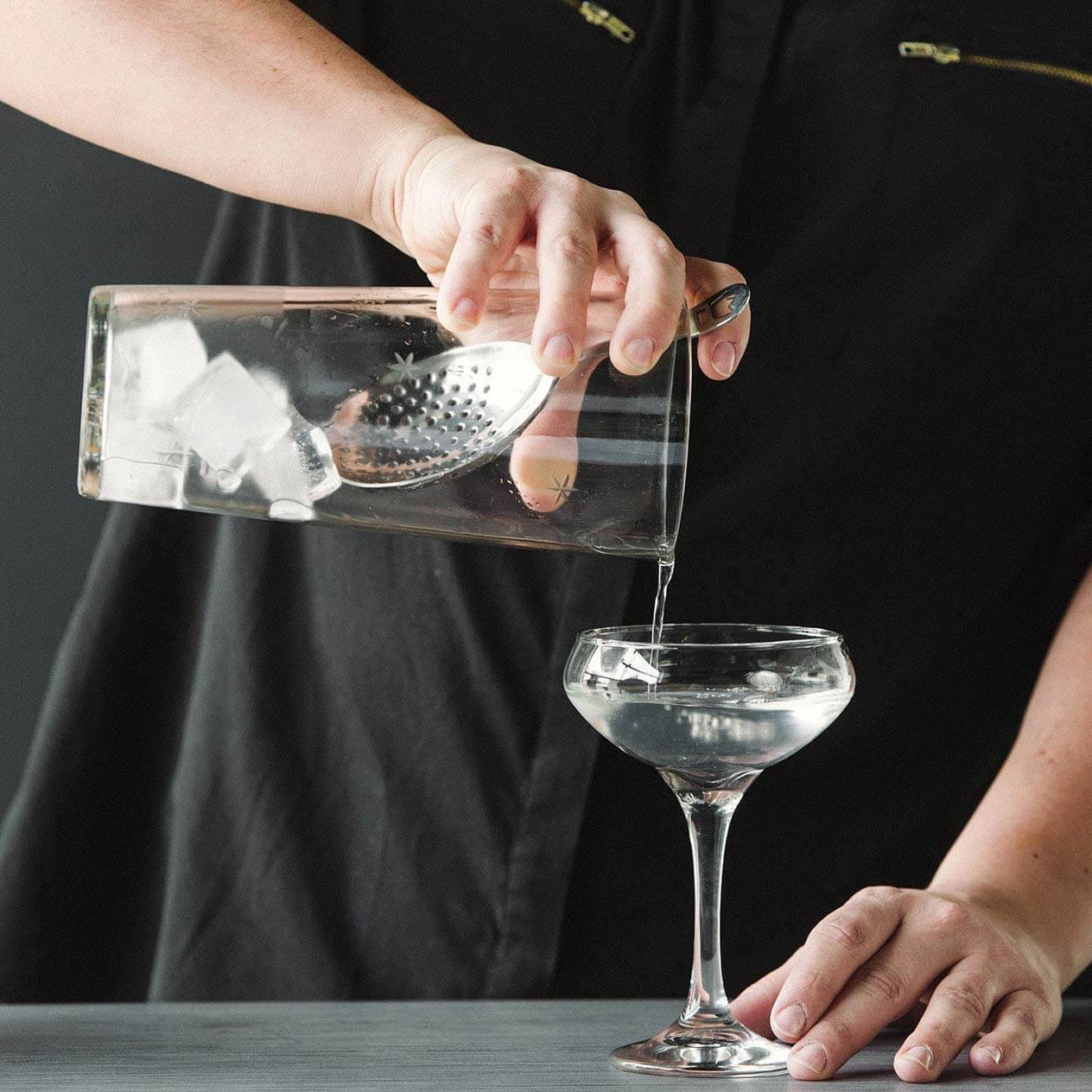
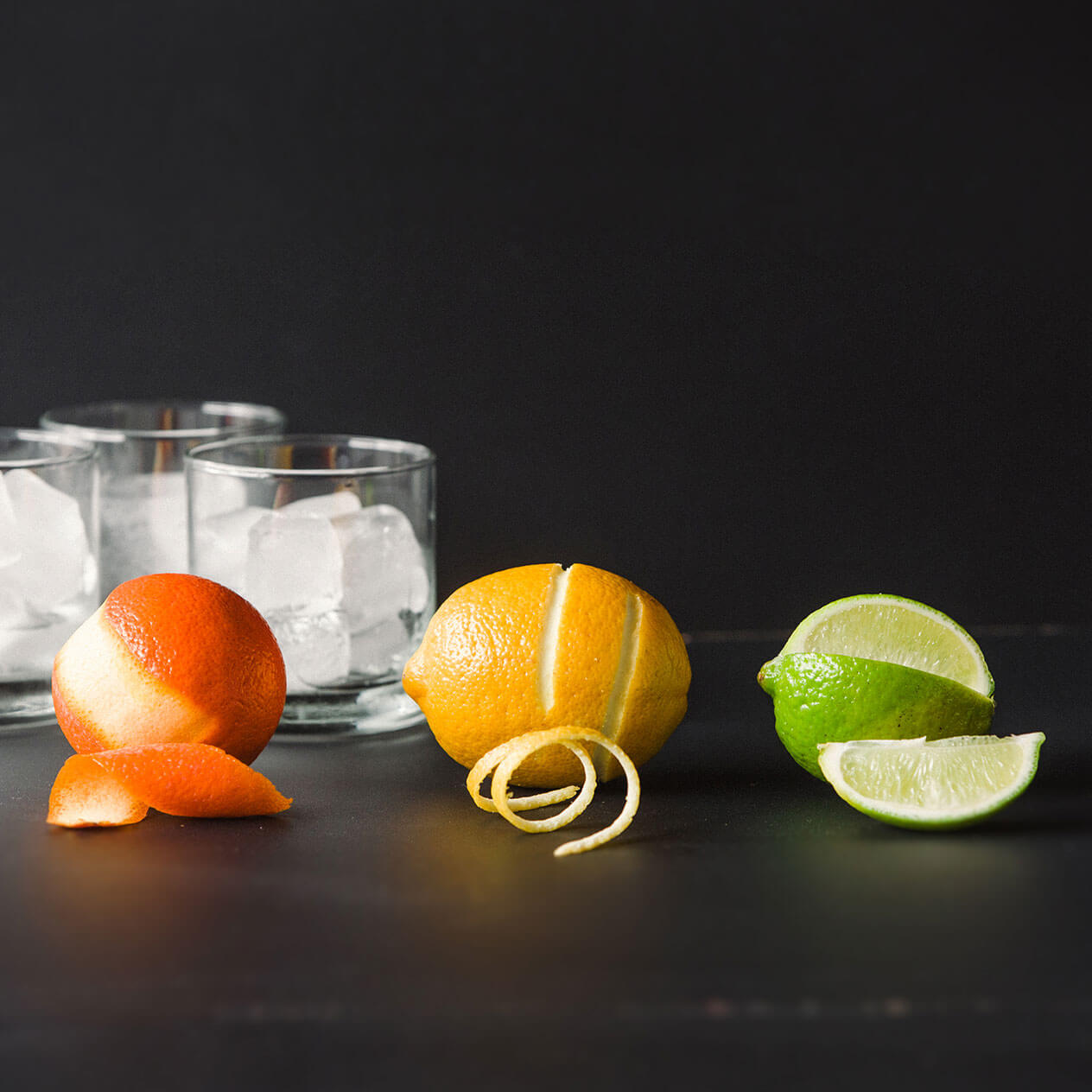
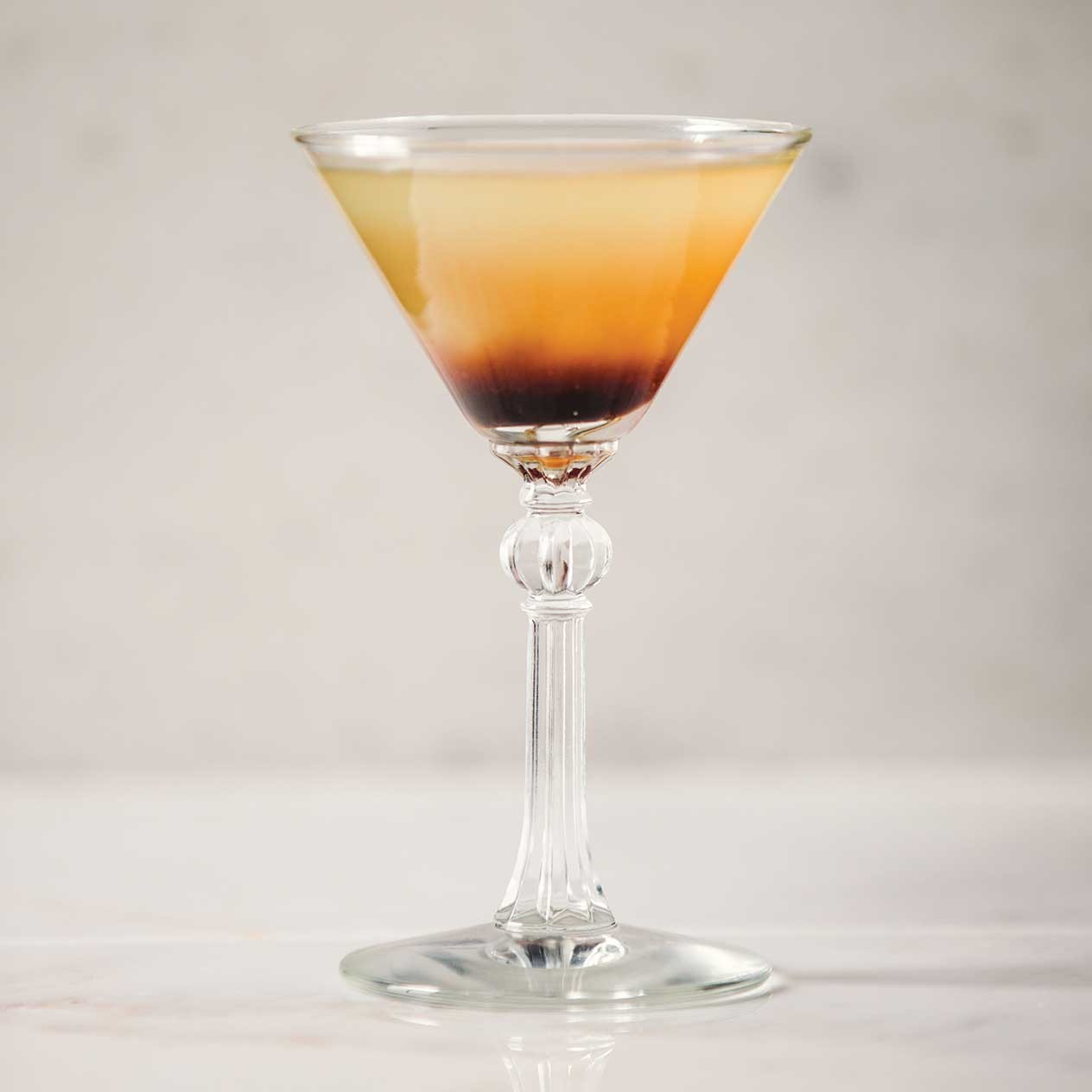
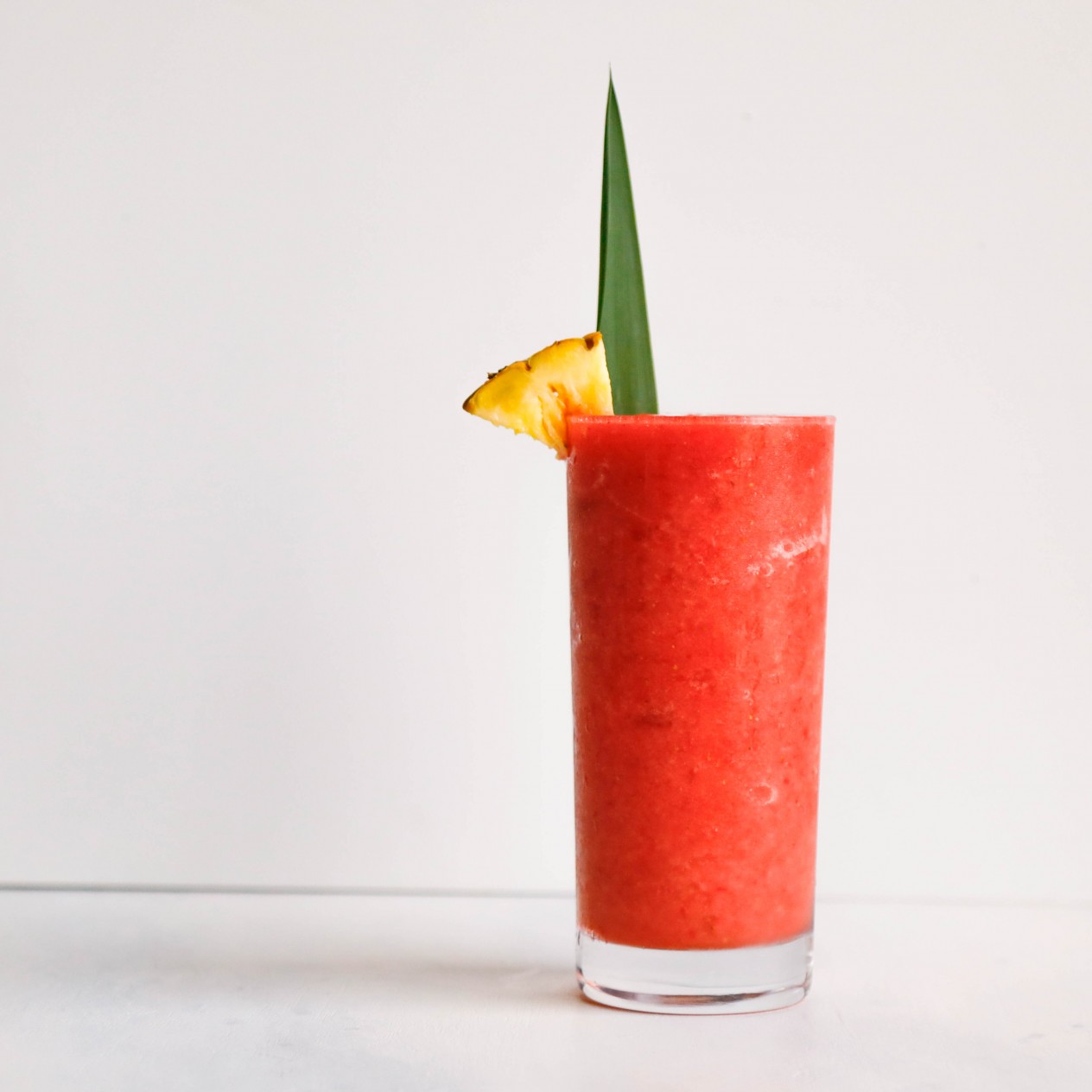
In all honesty, there isn't a lot about this cocktail that one might call “French”. The only truly French ingredient is Chambord, a black raspberry liqueur made in France's Loire Valley region. Between the Chambord and the Pineapple juice (which, as always, had better be fresh) this cocktail is unapologetically fruity. It makes a great drink for those who don't want to be overwhelmed by the taste their alcohol. For those who like a little more kick, some recipes call for gin instead of vodka. Either way, the key to making a great French Martini is to really shake the heck out of it. This will cause the pineapple juice to froth, which adds both to the presentation and the body of the drink. As the French would say, À la vôtre!
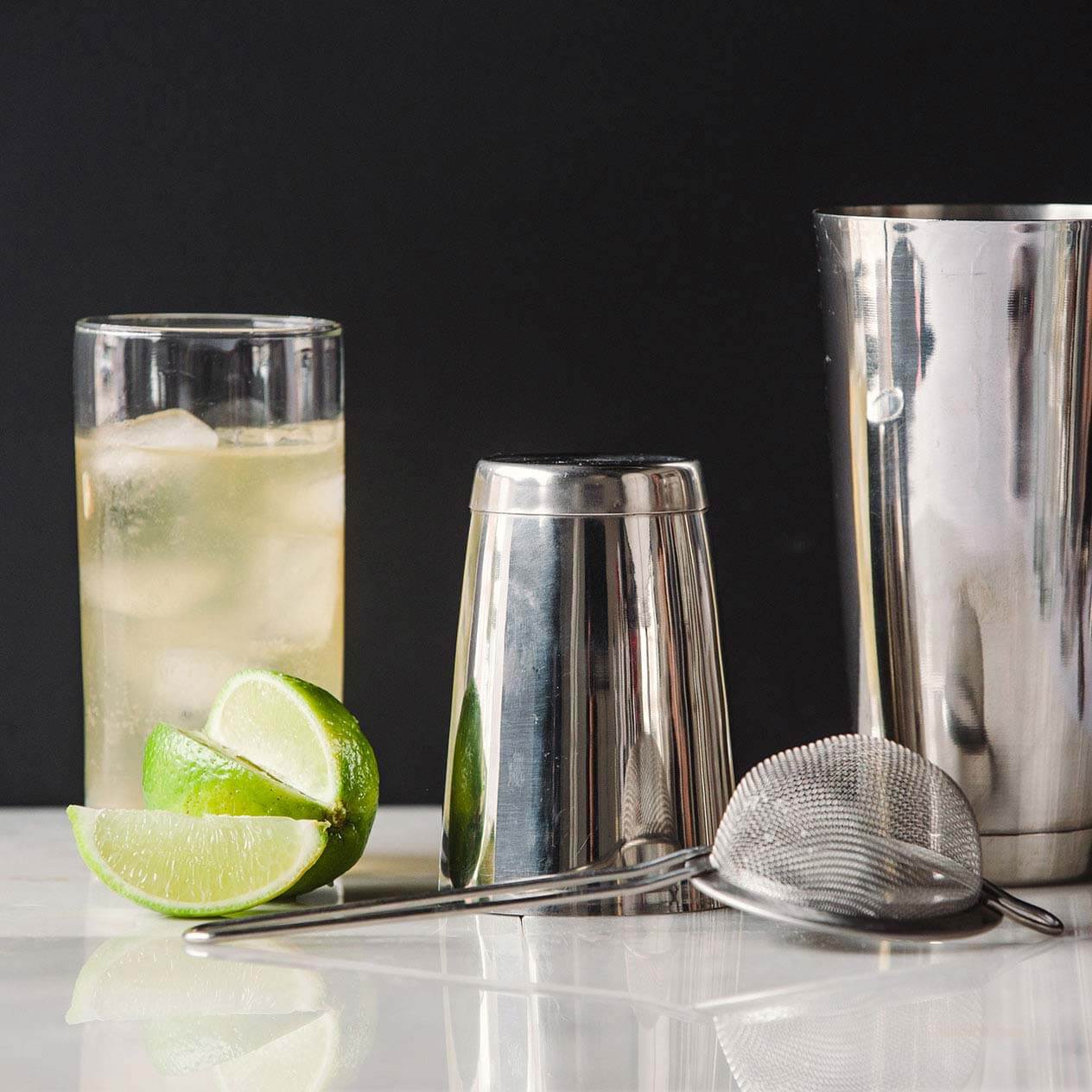
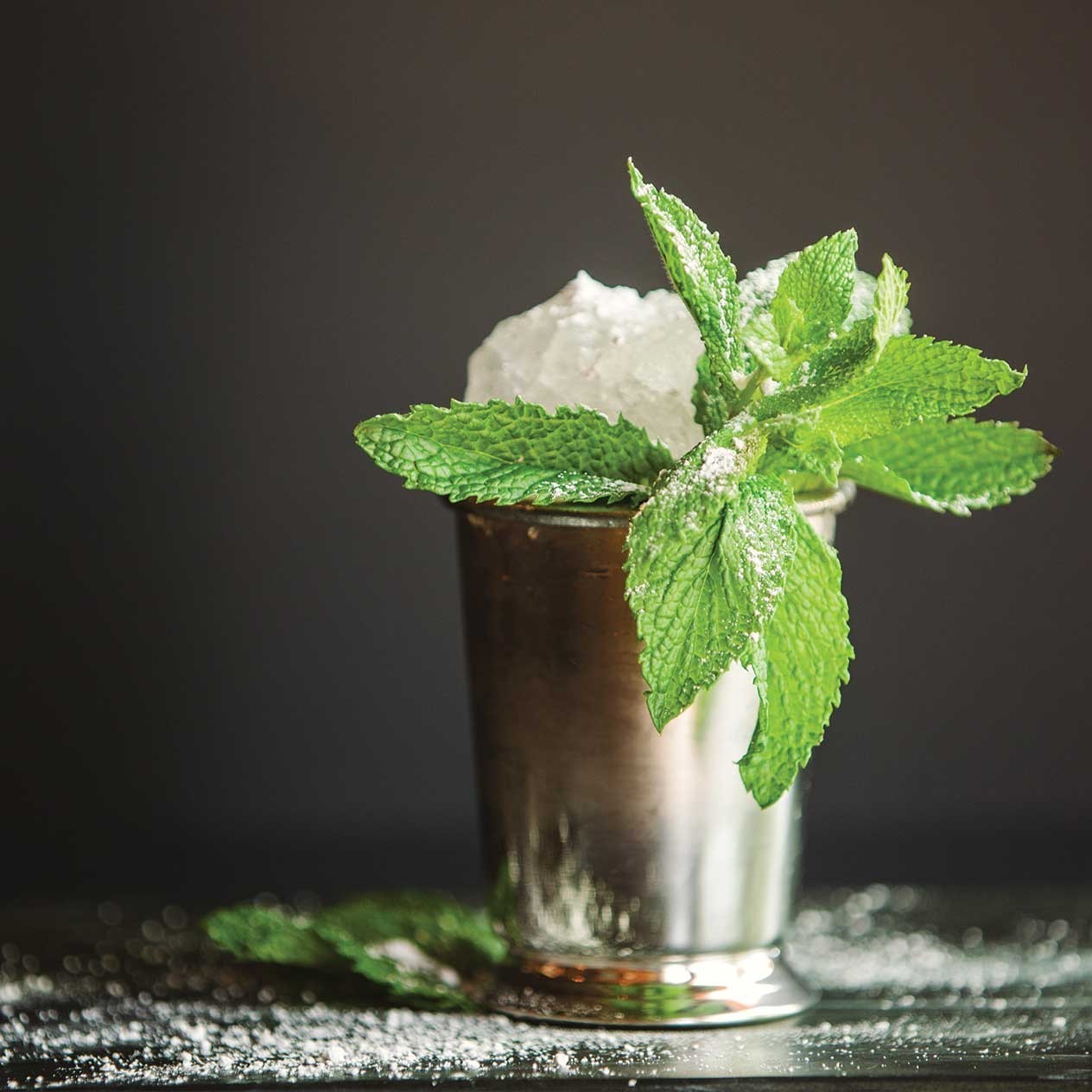
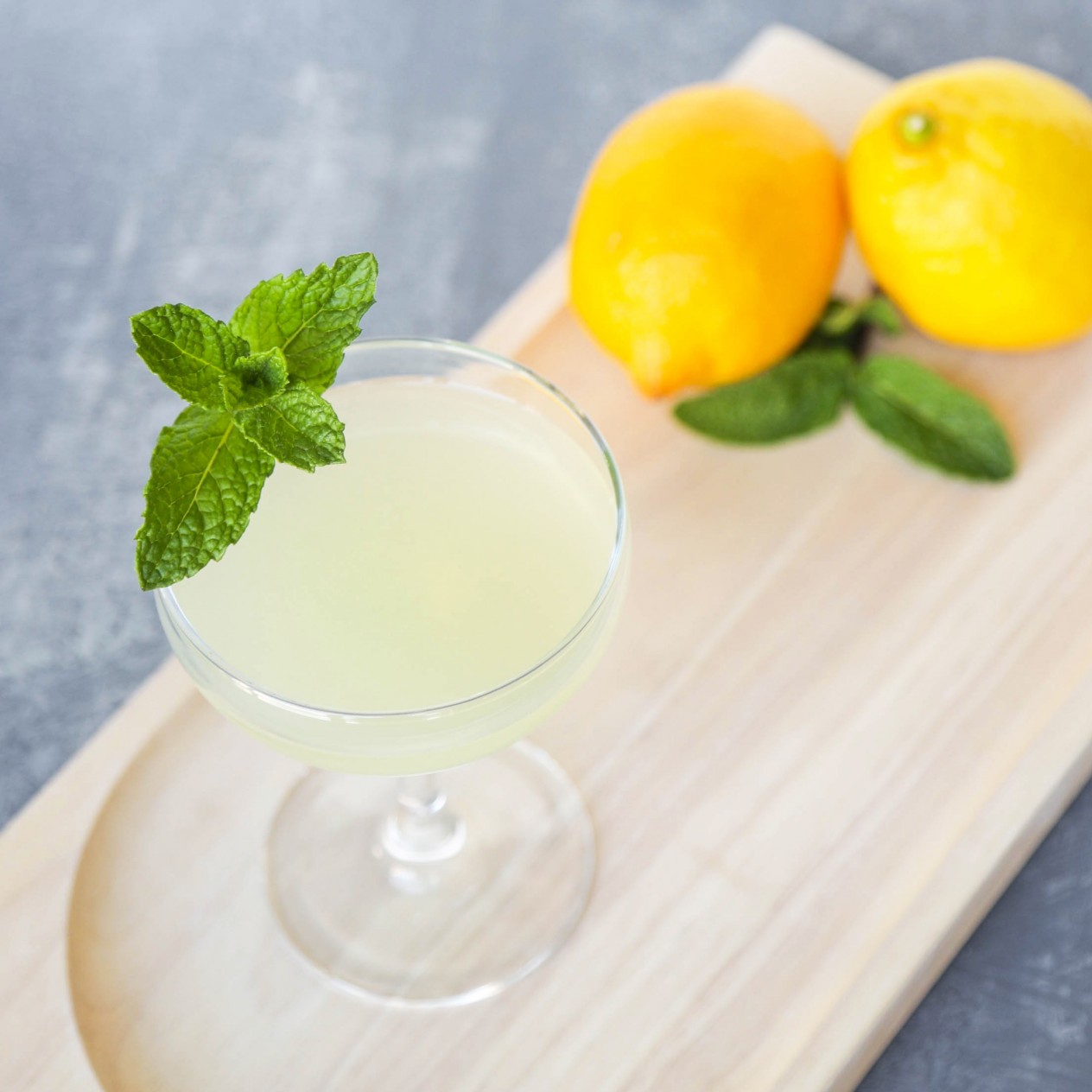
The Mint Julep has been the official drink of the Kentucky Derby for almost a century now, and the fastest two minutes in sports just wouldn't feel right without a frosted silver cup in one hand. The origins of this drink predate the Derby by several centuries though. Like many of its cousins, the Julep was originally drunk for medicinal purposes. The name comes from the Arabic word julab and the Persian word gulab, which both translate to “rosewater”. In the early days of America, people made juleps with a number of spirits including rum and brandy, but history seems to suggest that the original julep was actually made with cognac. At the time, bourbon was reserved mostly for poor southerners who couldn't afford fine liquor. My how the proverbial tables have turned. Next time you're in bourbon country, be sure to try one of these classic southern libations.
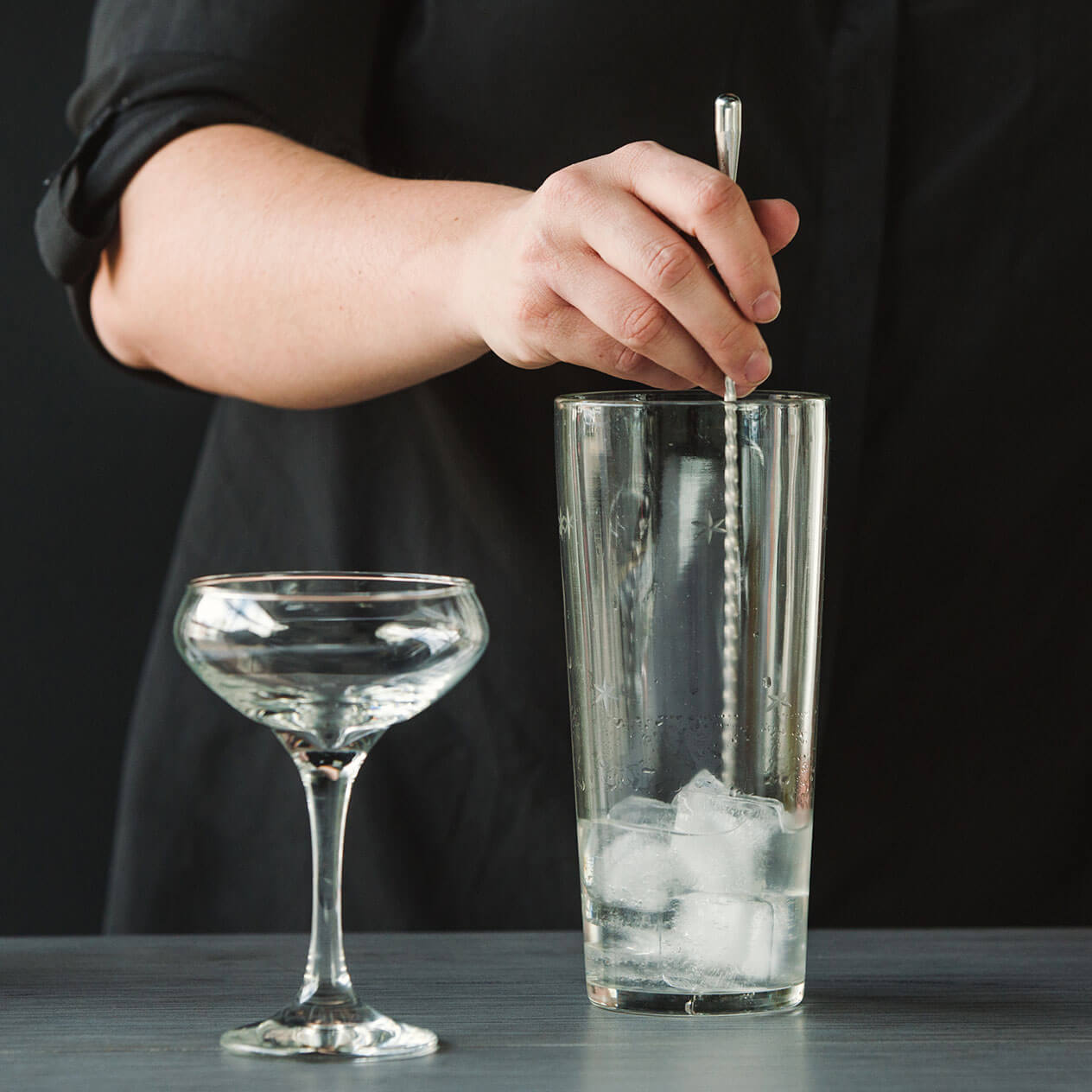
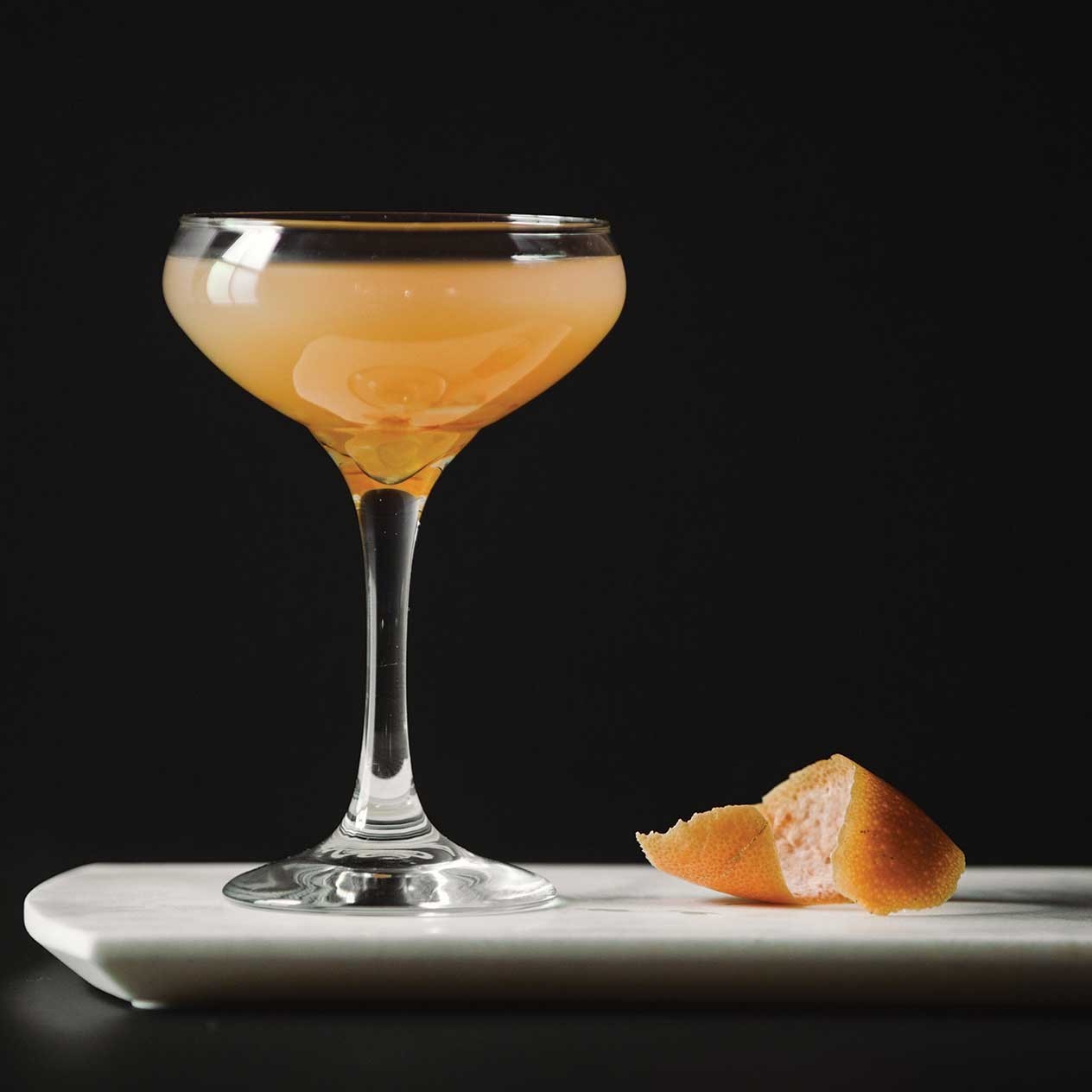
If alcoholic beverages could be adorable, this one definitely would be. You may be familiar with Paddington Bear, a beloved character in English children's literature. Paddington Bear hails from Peru and loves orange marmalade and his red Wellington boots. When mixologist David Hamilton Boyd was given the challenge of creating a cocktail inspired by a children's book character, he turned to Paddington. The original recipe was served over crushed ice in a glasses slotted into a small, red Wellington boot and garnished with tiny orange marmalade sandwiches. To give it a little extra Paddington flare, he called it “Does a Bear Drink Rum in Peru? (Of Course He Does)”. For the sake of brevity, we'll just call it a Paddington. And don't worry. If you're all out of small, red Wellingtons and tiny marmalade sandwiches, you can strain it into a cocktail glass and serve it with a grapefruit twist.
For creators
CookOS gives your recipes a clean, ad-free home your fans will love: no 2,000-word life stories, nothing burying your work. Claim your profile to control how your recipes, links, and story show up, with tools built to grow your audience and your content.