Bee Stinger
M
Mr. Boston Official Bartender's GuideJun 2026Food Creator
Recipes & Content · 1022 · Page 33 of 43
Recipes, cooking tips, and food content from Mr. Boston Official Bartender's Guide
CookOS may earn a commission from Instacart orders.
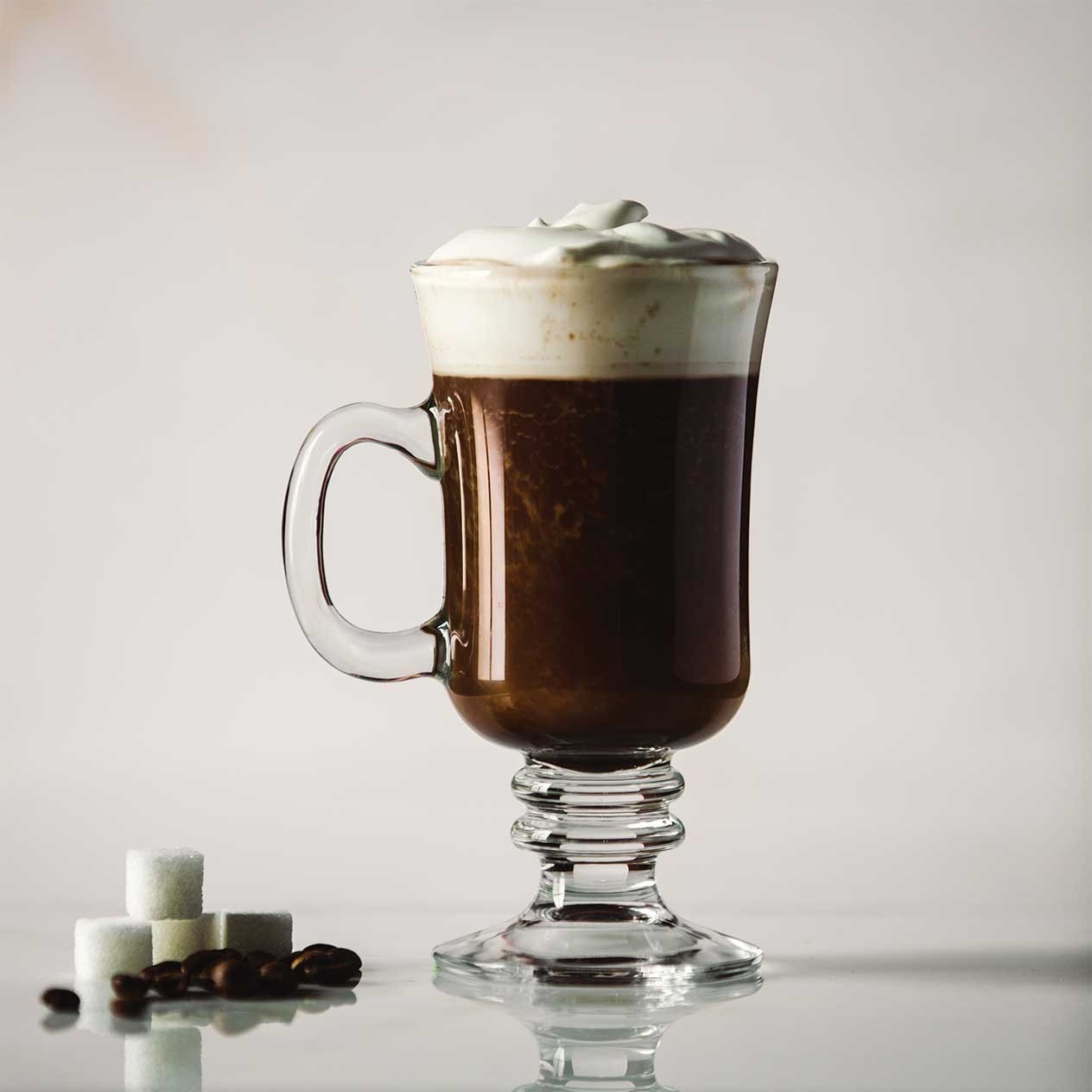
In comparison to Irish whiskey, the Irish Coffee is actually a fairly recent invention. In the 1940s, the most common air route between America and Europe included a stop in Foynes, an air base near Limerick, Ireland. Given the temperamental nature of the weather in western Ireland though, short layovers often turned into overnight stays. On a winter's night in 1942, a particularly nasty storm sent a plane back to Foynes for the night. The restaurant was notified to prepare food and drink as usual, but chef Joe Sheridan decided to prepare something special for the passengers aboard the plane. Legend has it that one American passenger asked if he was drinking Brazilian coffee. “No,” Joe answered, “that's Irish Coffee.” Eventually, the recipe was discovered by travel writer Stanton Delaplane, who took it back to San Francisco with him, where it became a signature cocktail at the Buena Vista Hotel.
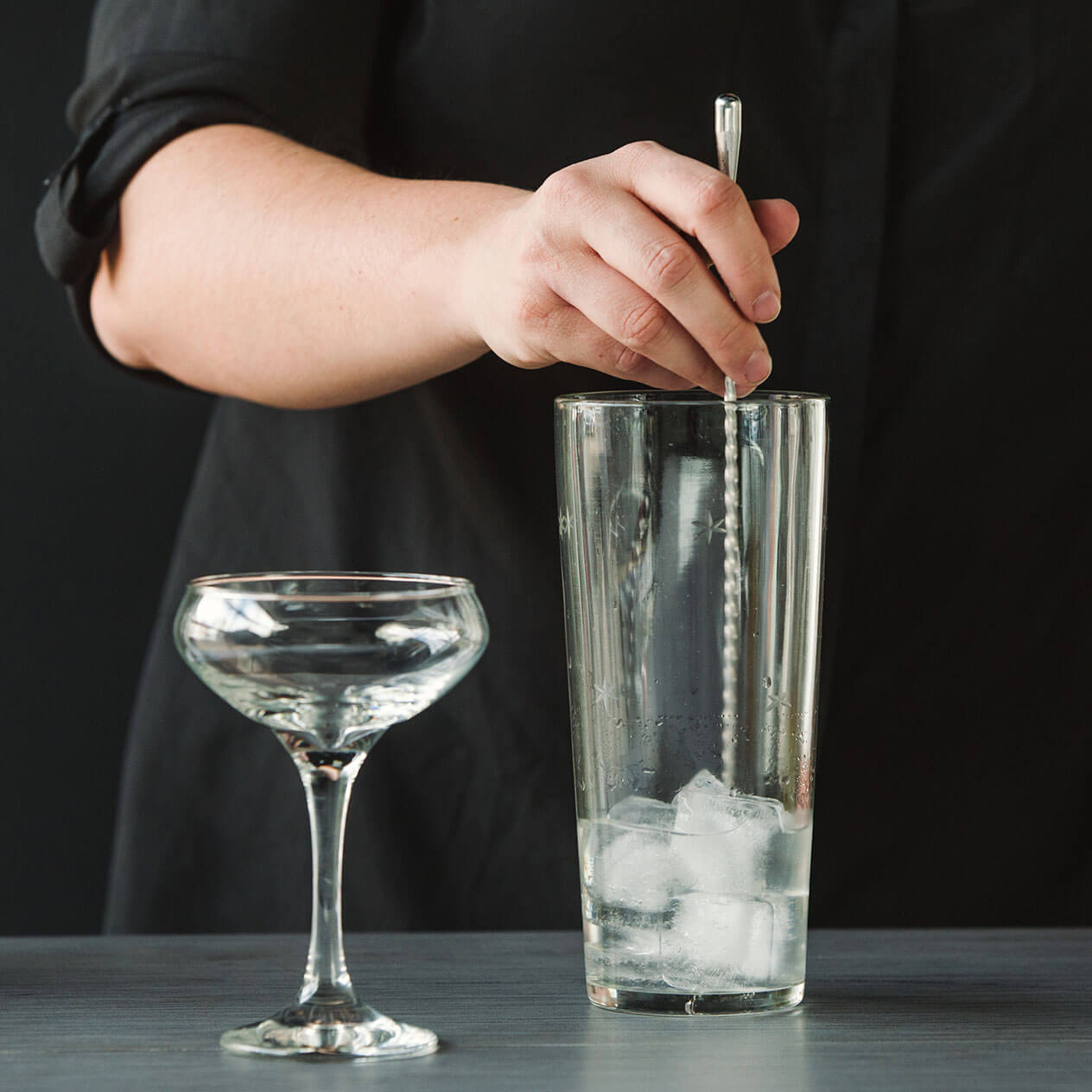
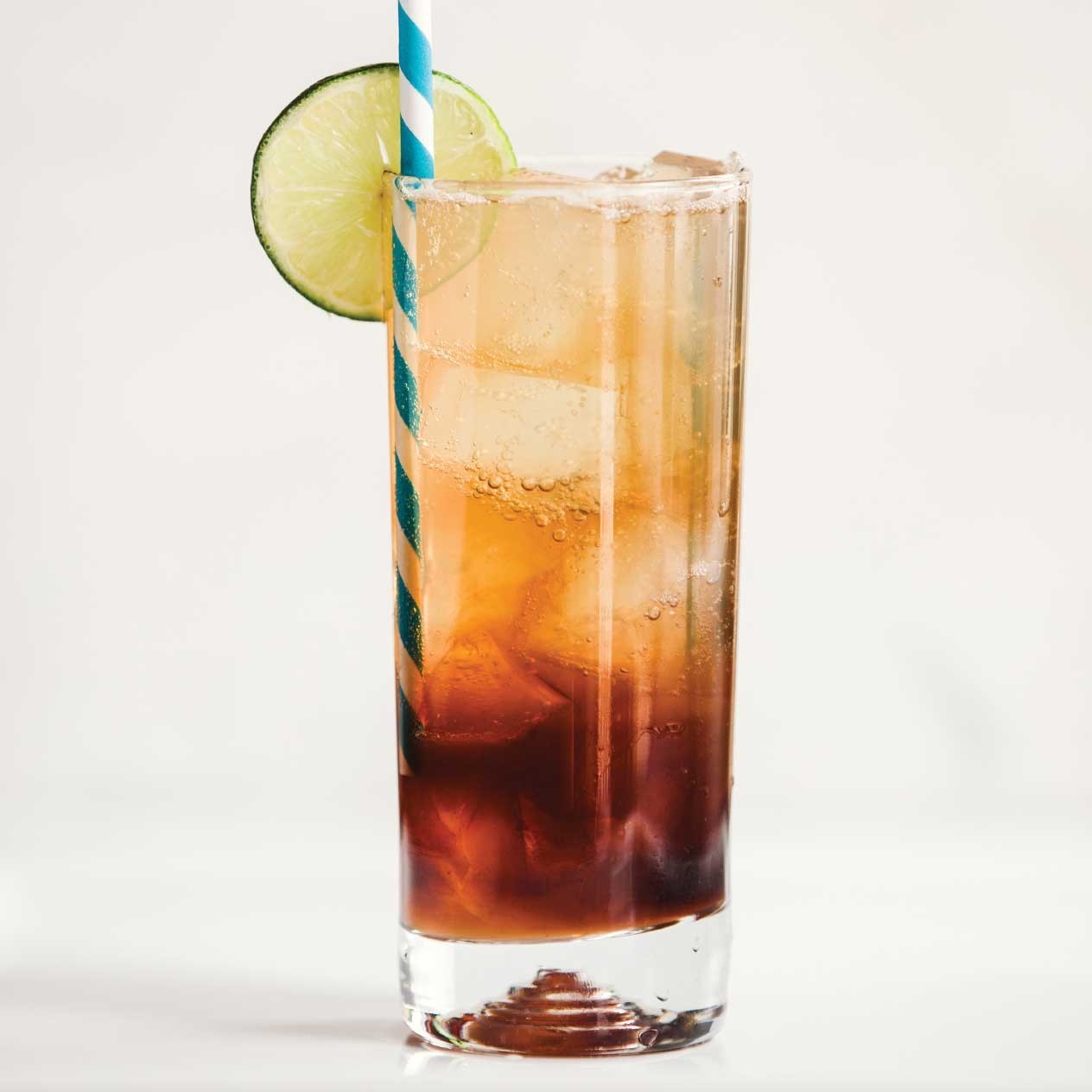
Many people never think about drinking tequila unless it's in a margarita or a shot glass. This drink is a perfect example of how the use of tequila can extend far beyond just that. The El Diablo is generally credited to the legendary Californian restaurateur Victor Bergeron, better known as “Trader Vic”, who seems to have concocted it sometime in the 1940s. The reasoning behind the name, which means the devil, is unclear. Perhaps it is a reference to its vivid red color or to the spicy notes imparted by the ginger beer. Crème de cassis, which is made from blackcurrants helps soften the ginger beer's bite and round out the flavor, and both harmonize well with the tequila. The balance of bright flavors in this drink makes it a great way to introduce someone to tequila without using sour mix or a salted rim.
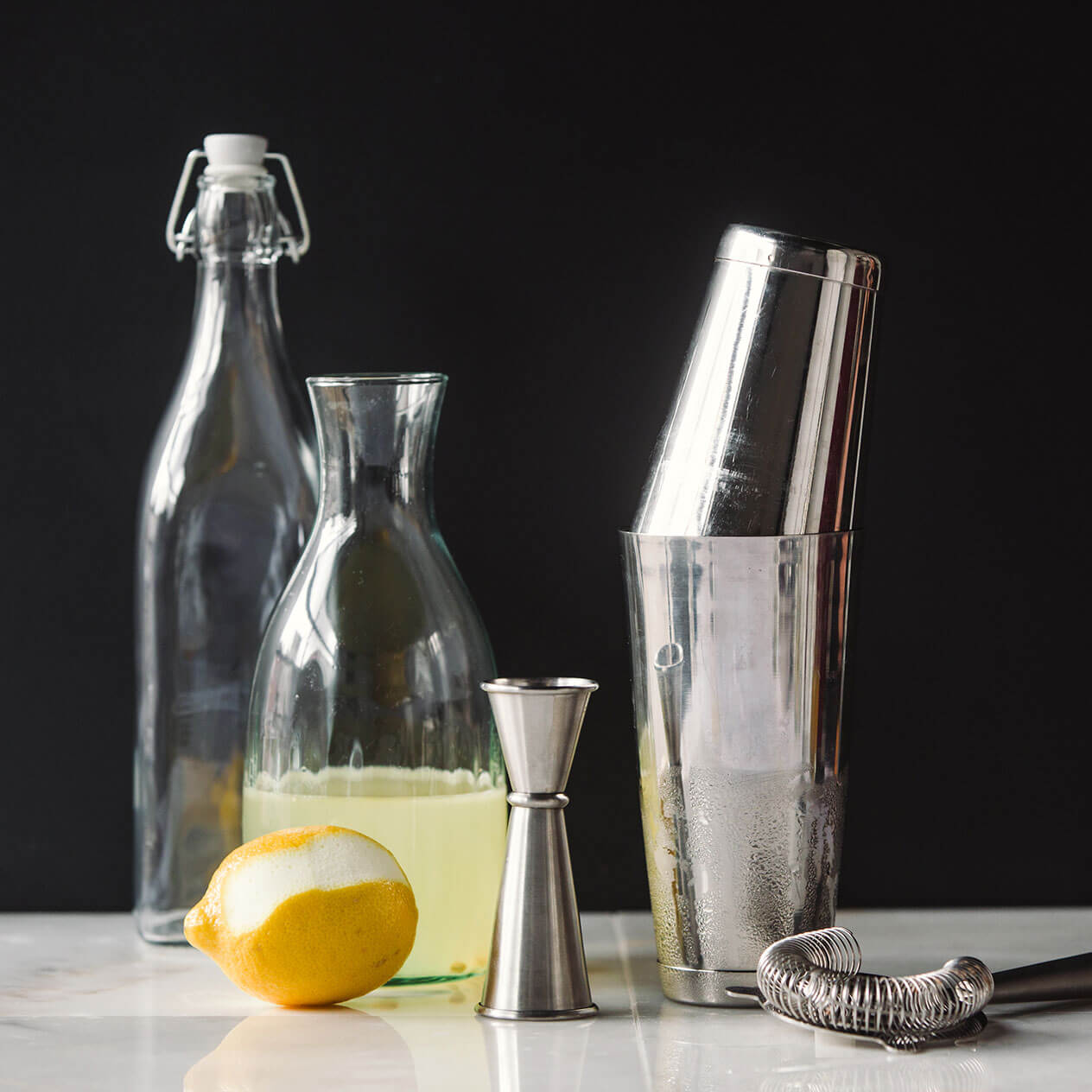
The Horse's Neck was originally a soft drink with iced ginger ale garnished with lots of lemon peel. At some point in its history, an enterprising bartender added bourbon (or brandy) to give it a 'kick.'
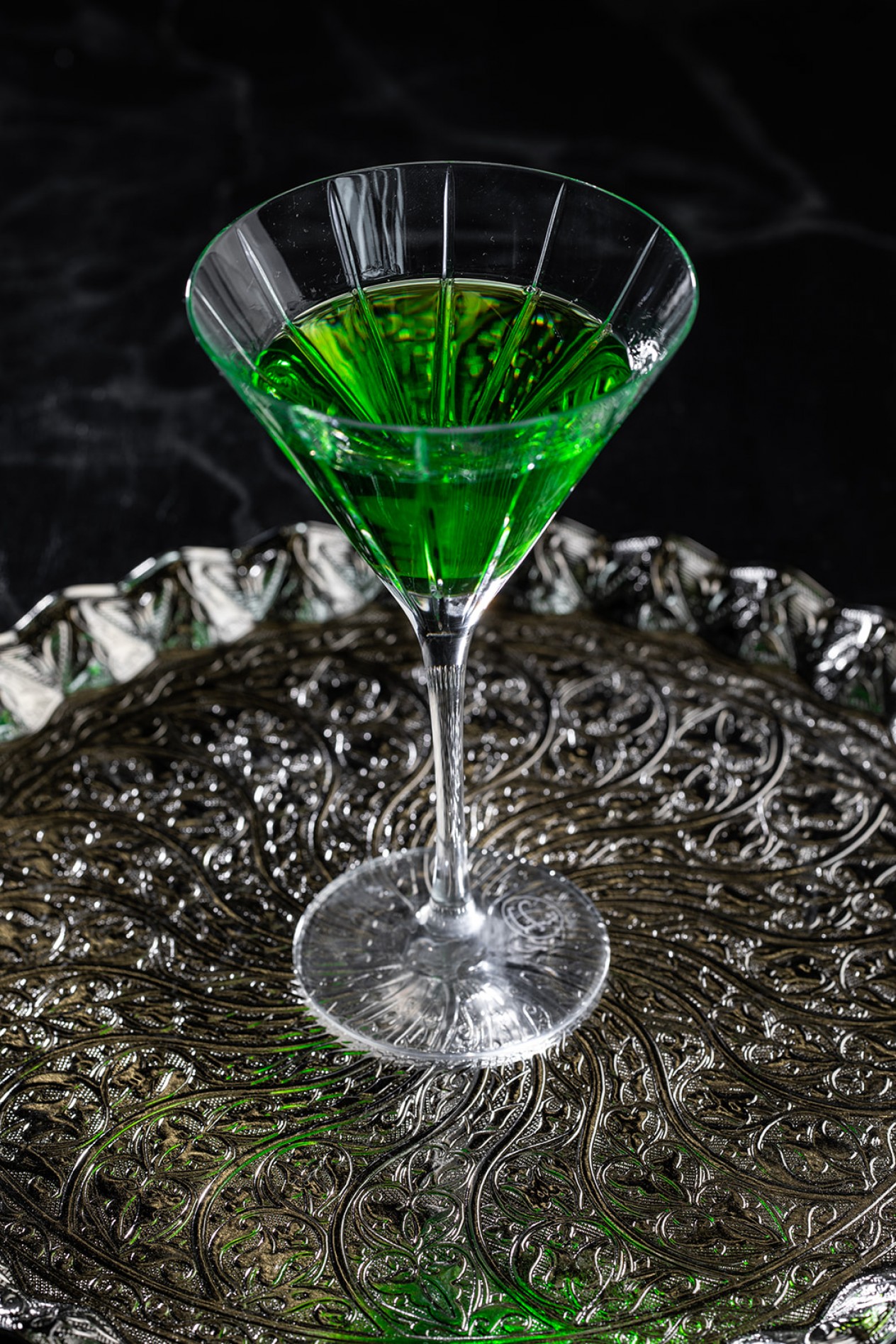
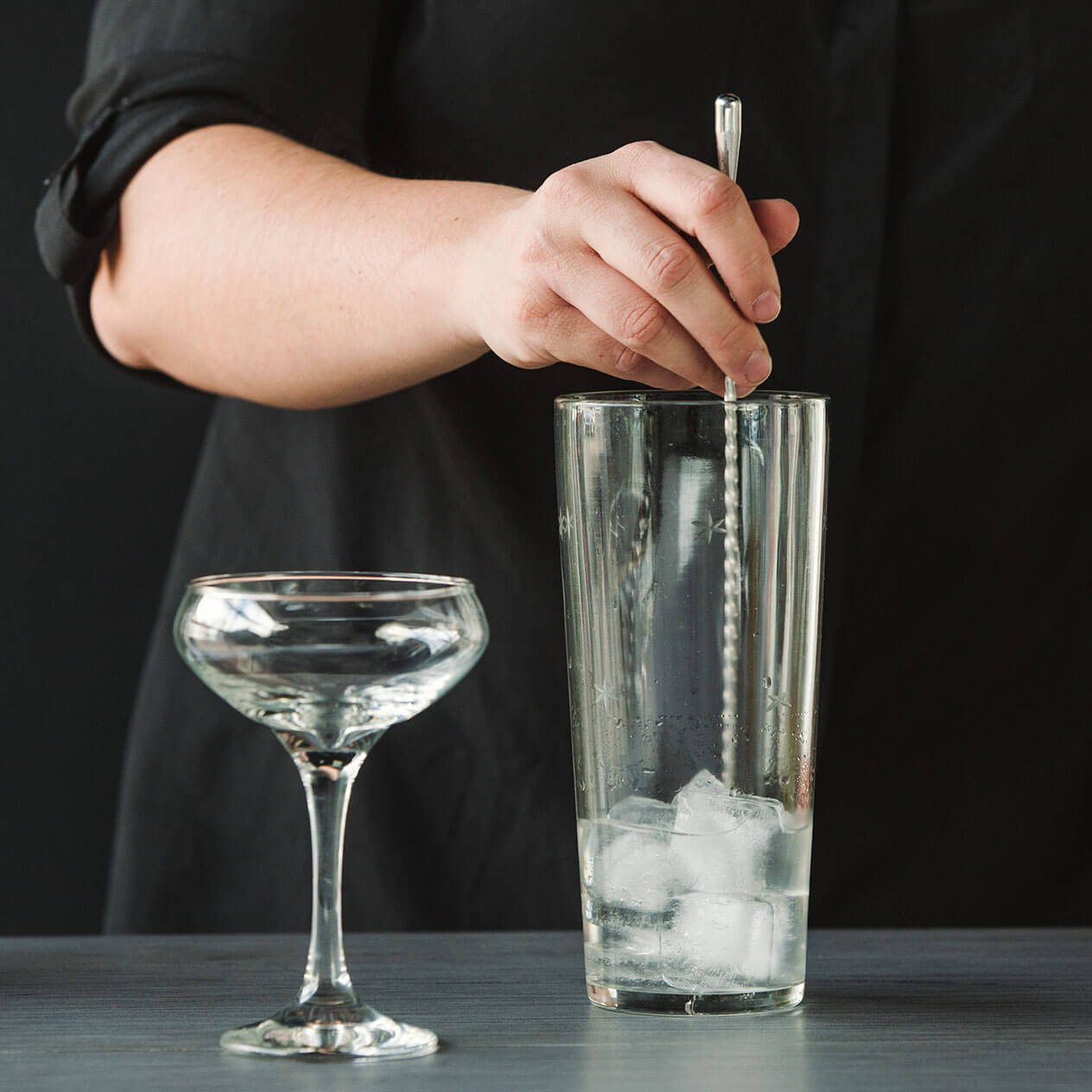
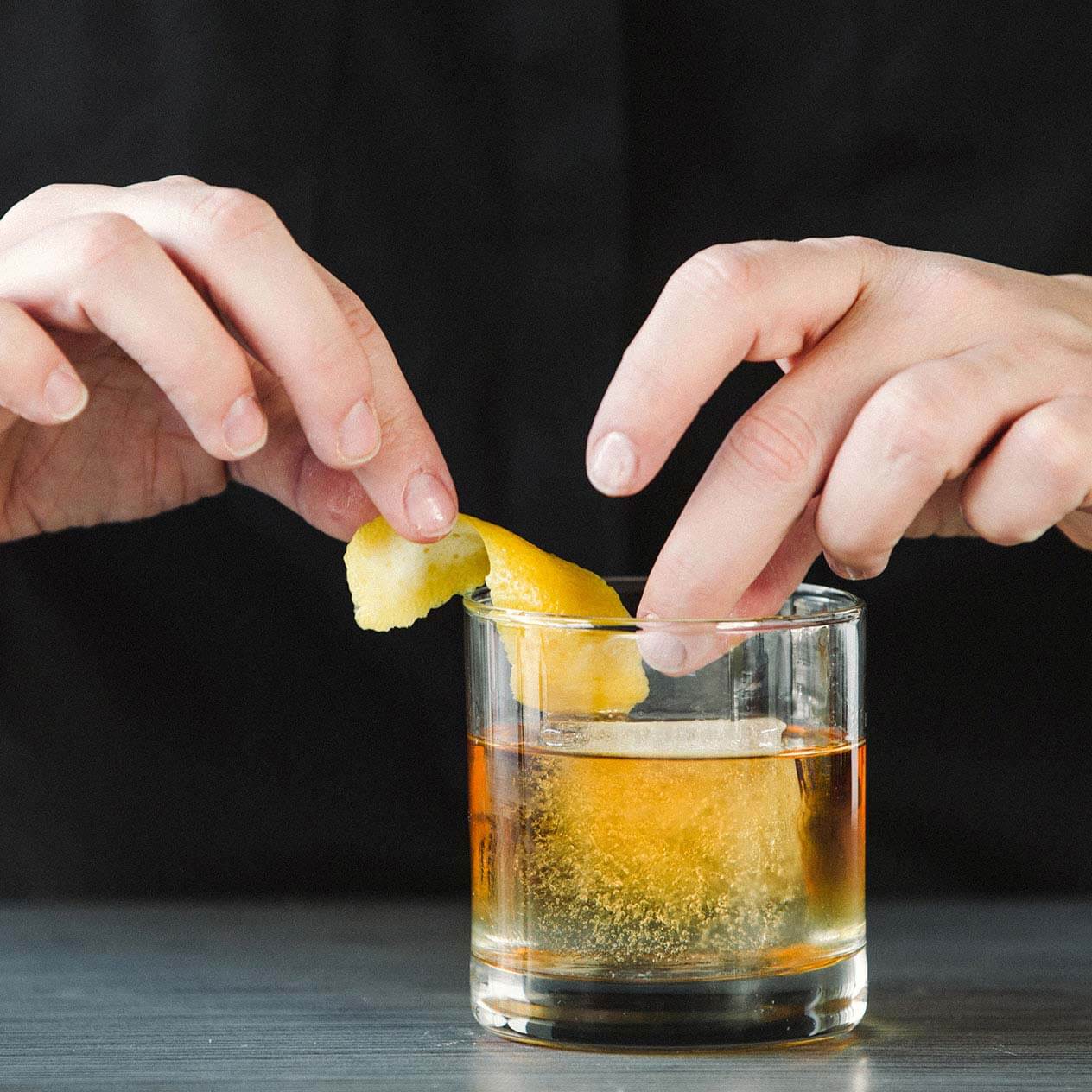
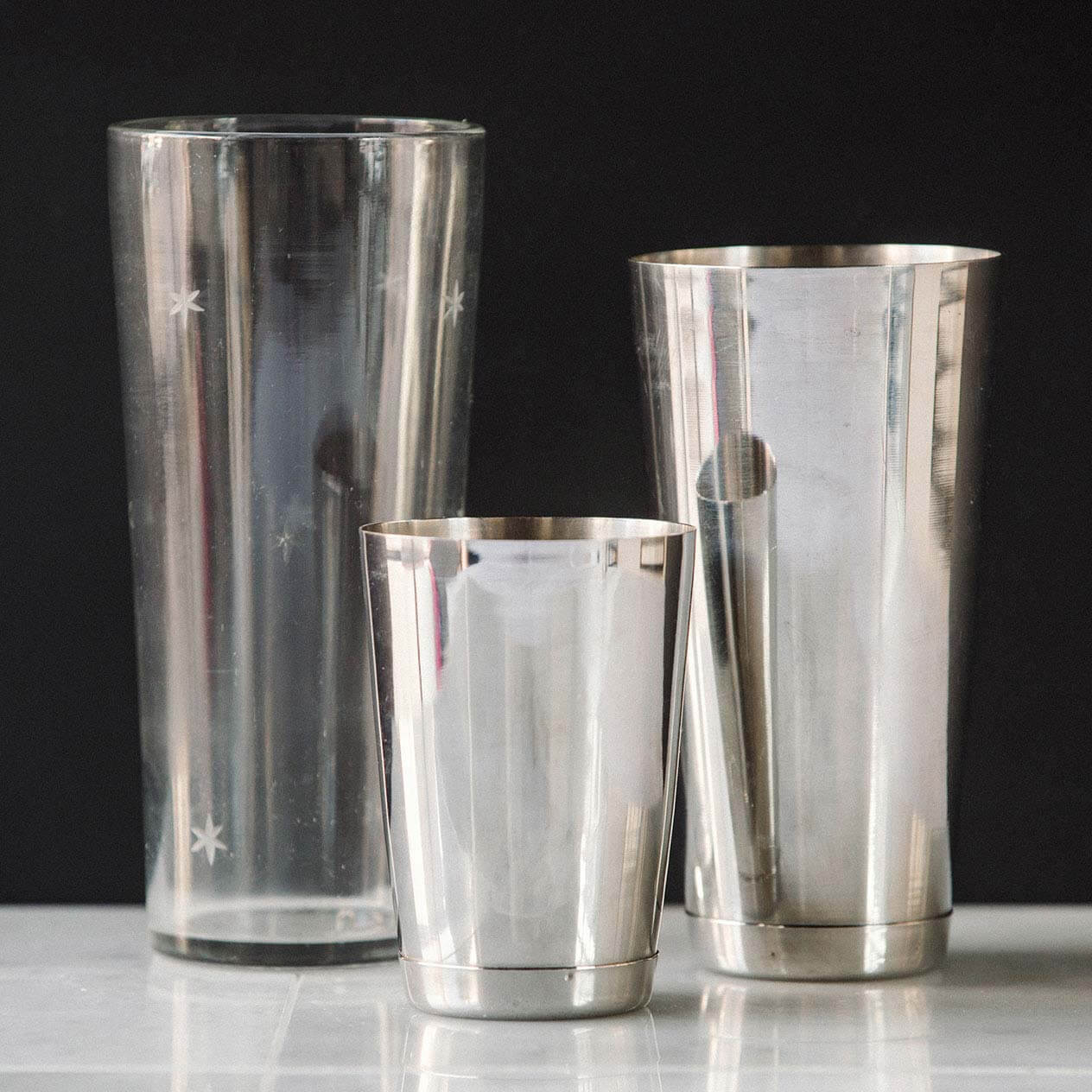
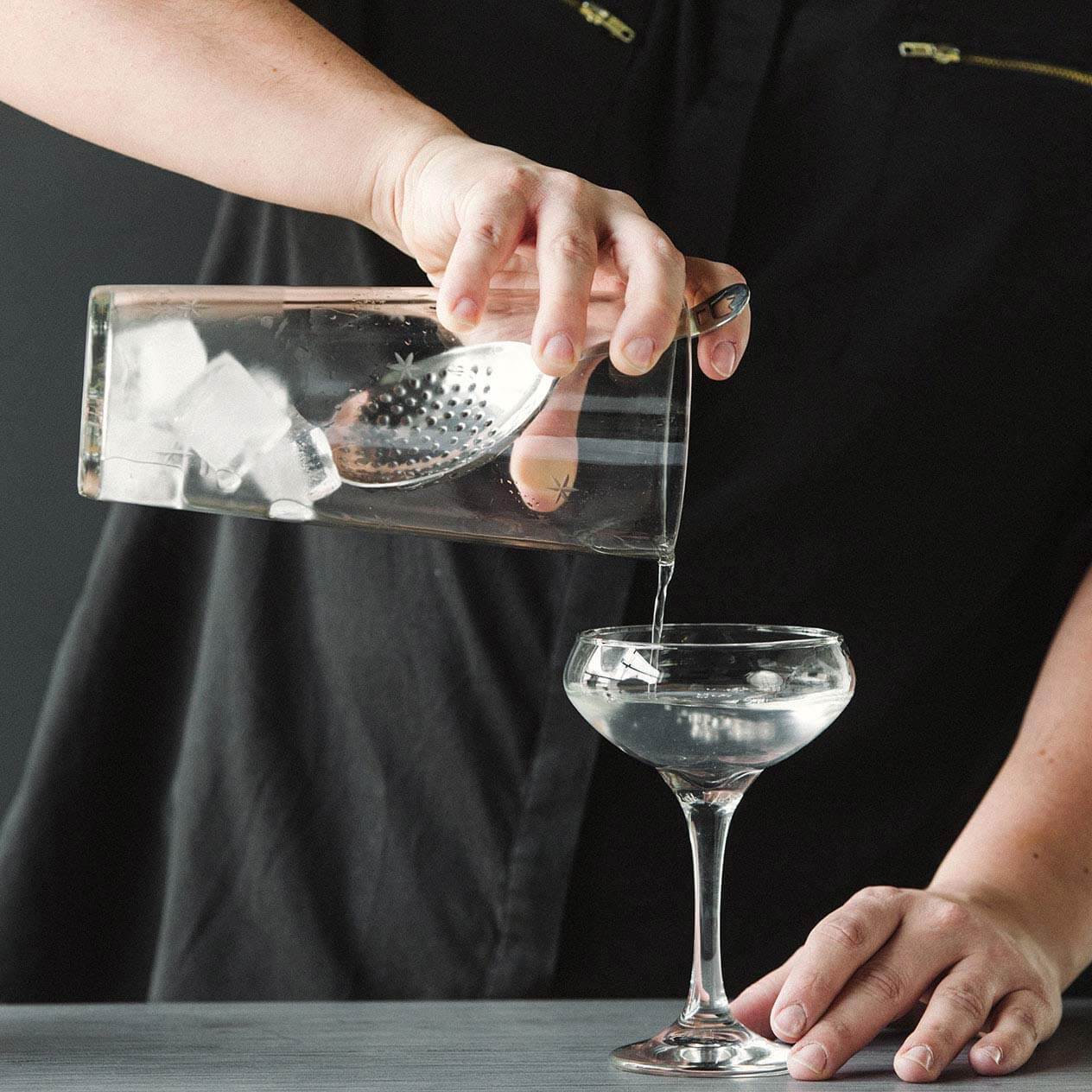
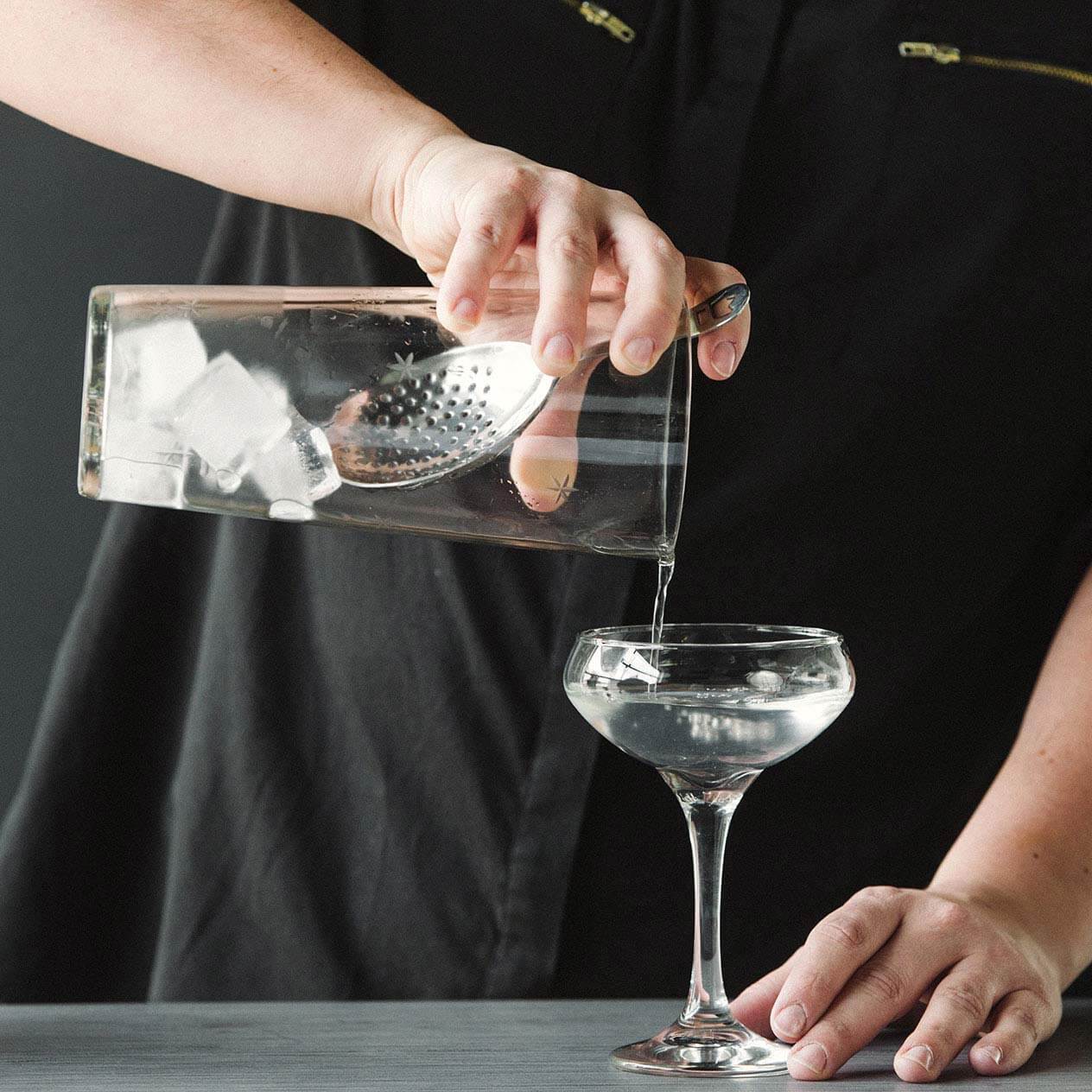
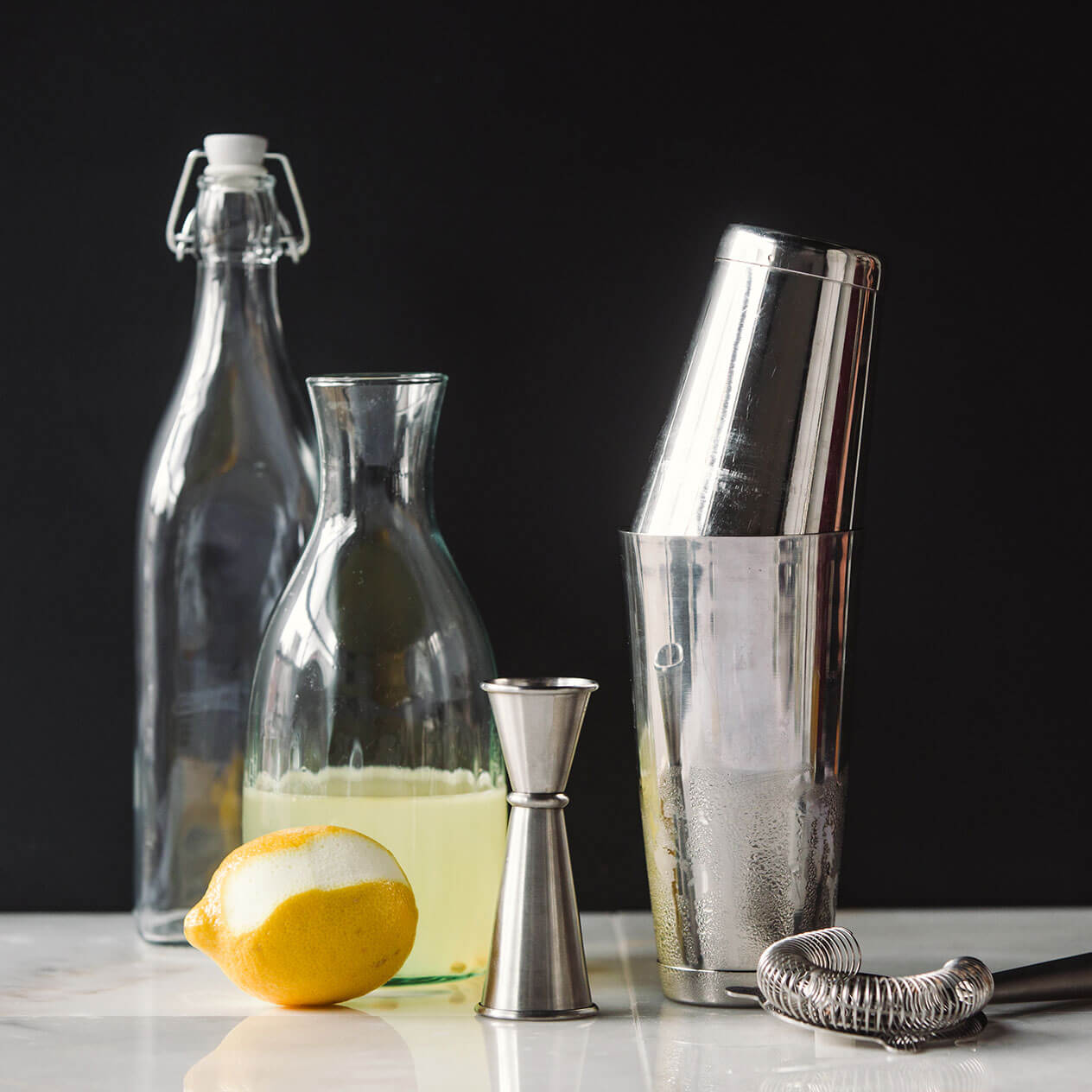
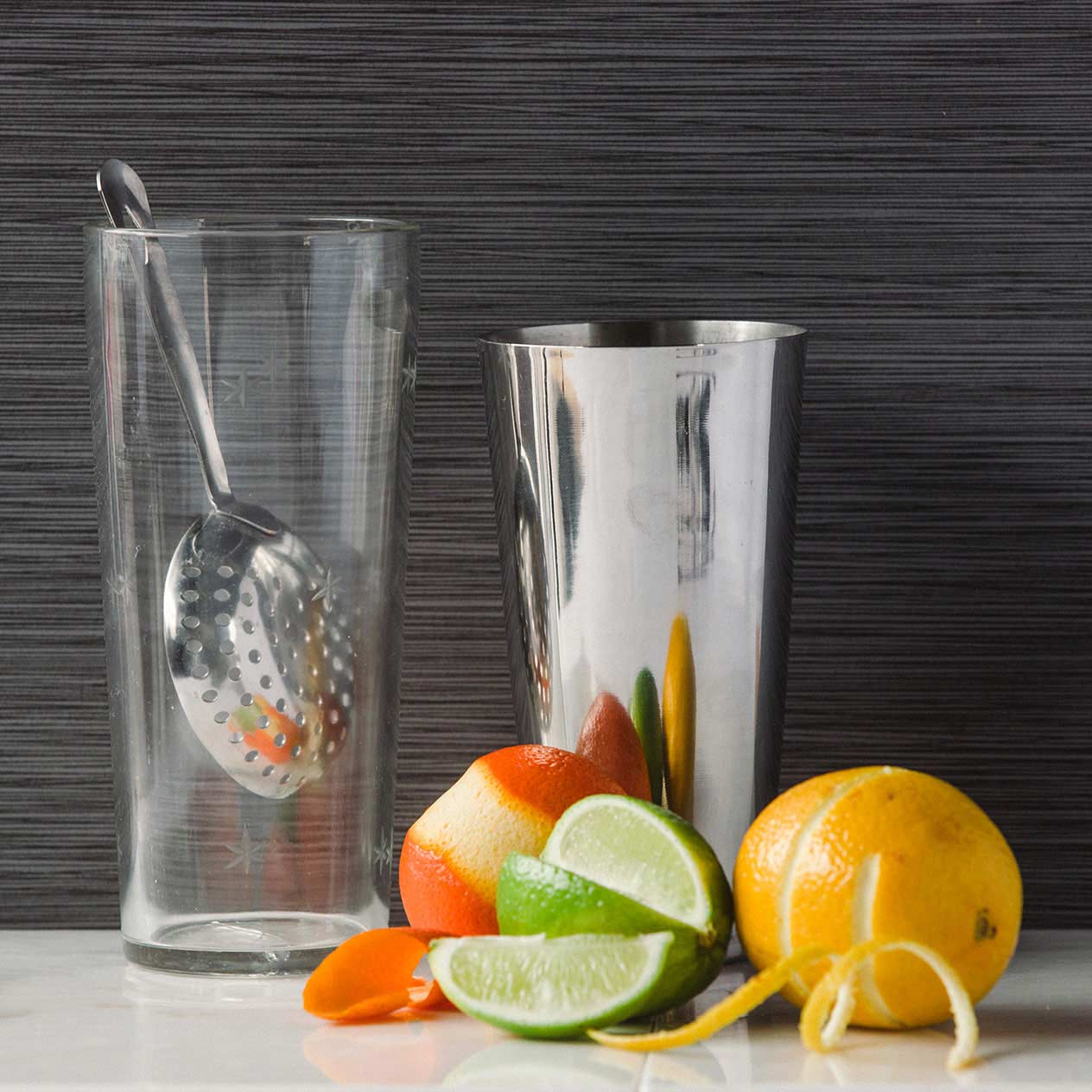
Mr. Burns, a cigar salesman, was such a good customer at the old Waldorf bar in the late nineteenth century that the establishment named this drink after him . . . probably.
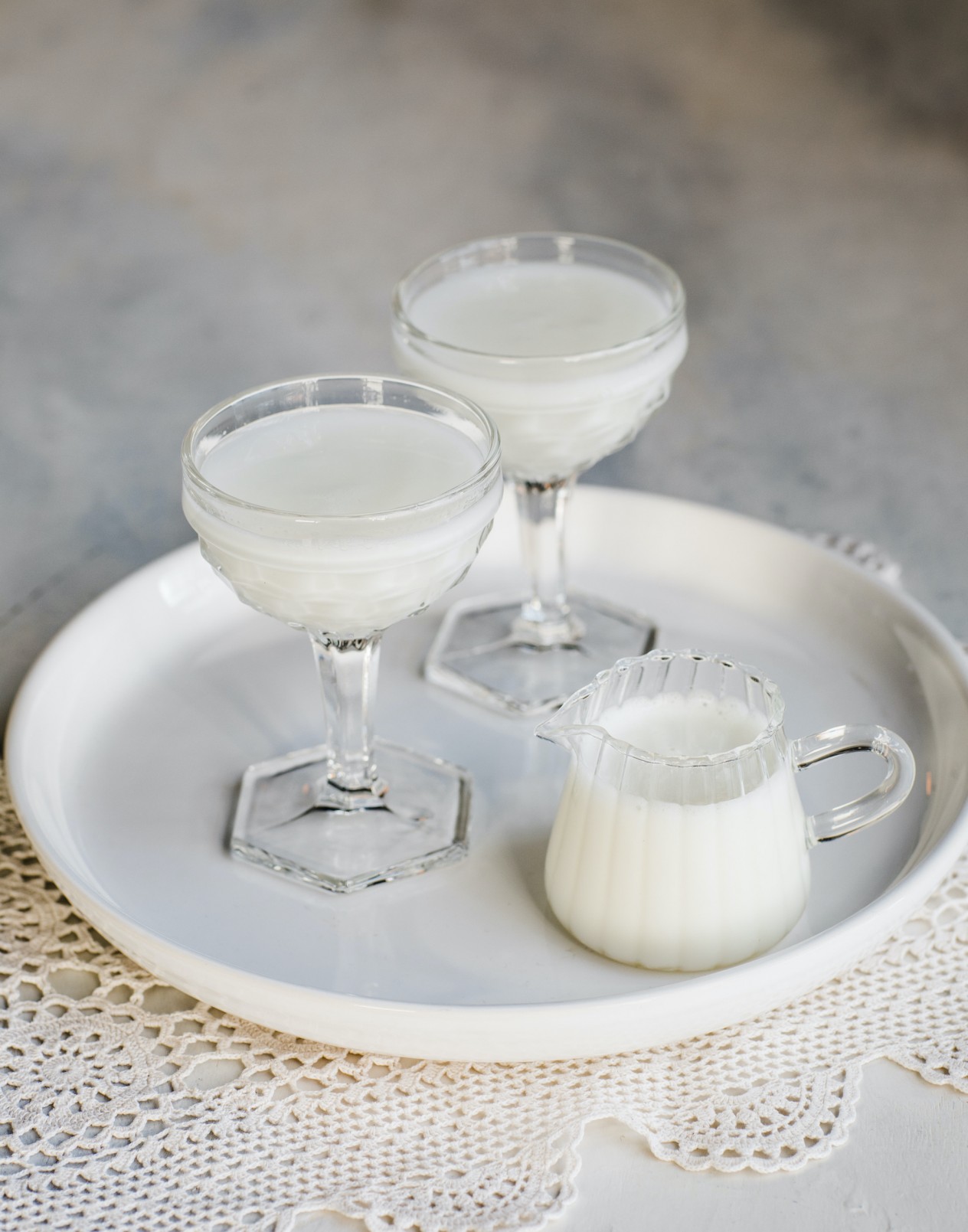
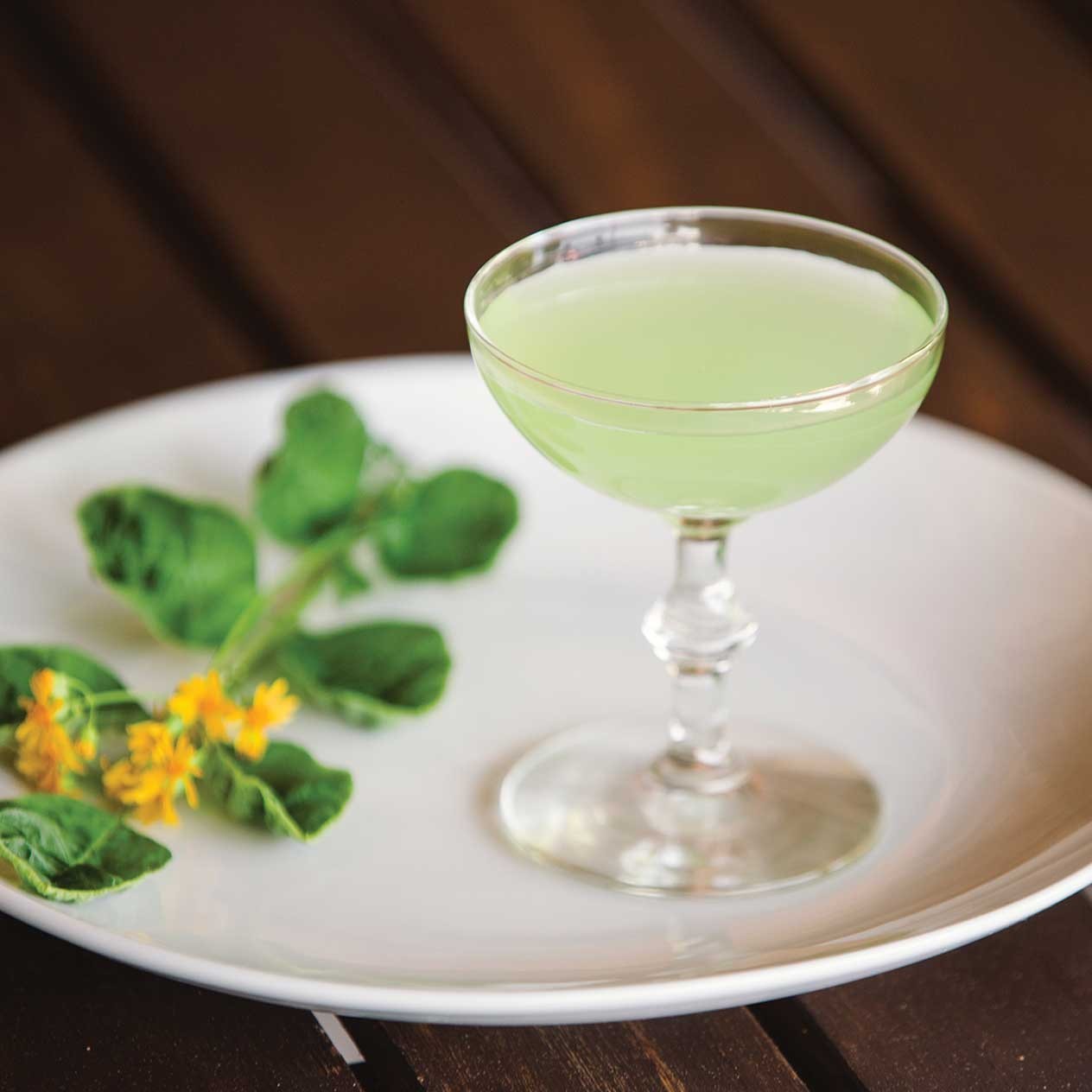
A cocktail with a simple recipe, yet such a complex array of flavors is bound to win any argument. The Last Word was originally created at the Detroit Athletic Club sometime in the 1920s. Many people attribute this cocktail's name to Frank Fogarty, a popular vaudevillian monologist who brought it to New York, where Ted Saucier discovered it and published it in his cocktail book Bottoms Up! in 1951. After World War Two, the Last Word fell into obscurity until it was revived by Murray Stenson in 2004. Stenson, who was looking for a new cocktail to serve in the Zig Zag Café in Seattle, achieved great success with his findings. The Last Word went on to inspire several well-known spin-off cocktails and spread to bars around the world. Its vivid color and flavor profile are certainly hard to beat.
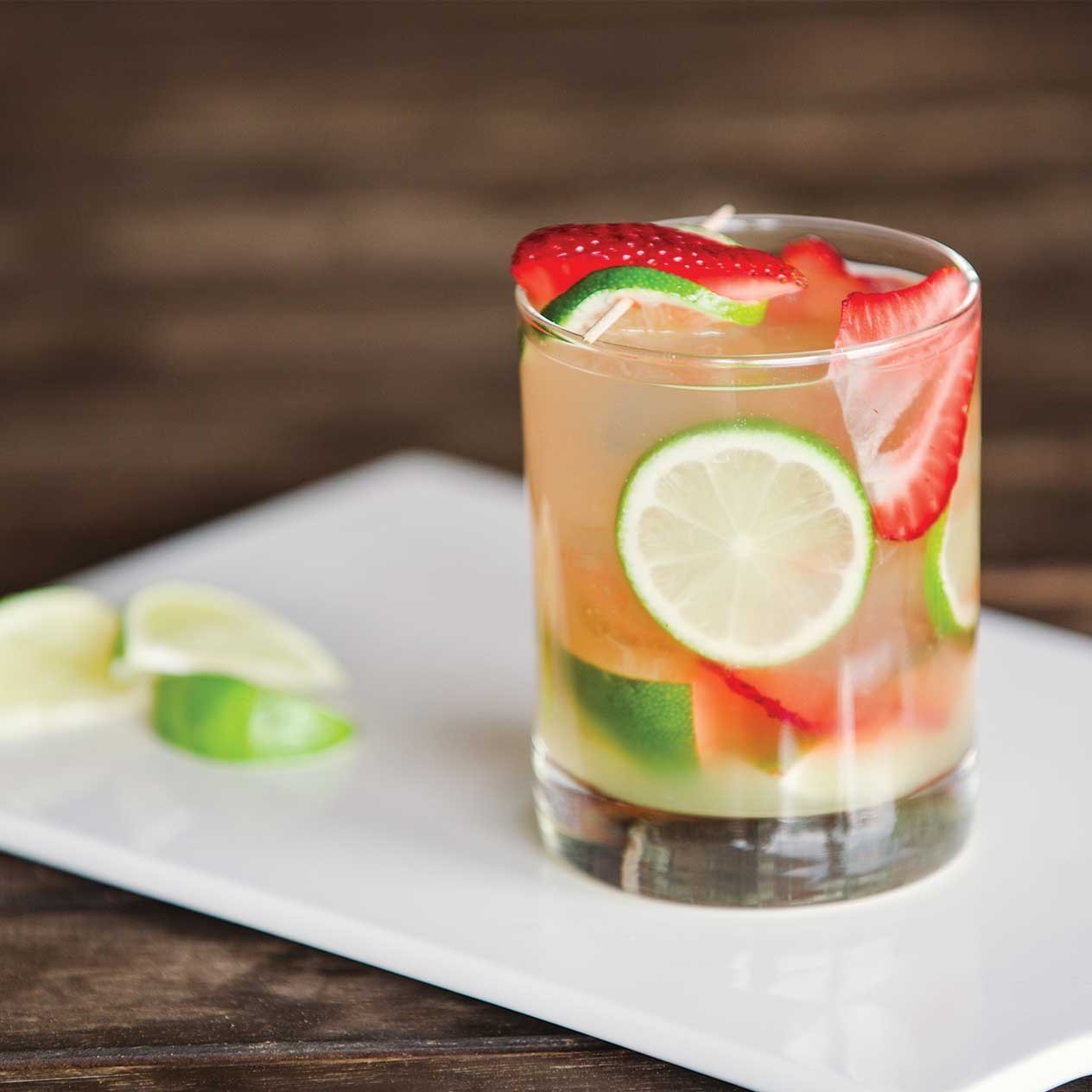
There is an endless number of variations on the El Niño. So many that some of them don't even resemble each other in the slightest. This recipe, which is simply tequila, muddled fruit, and simple syrup is sure to make a sweet and tangy treat on a hot summer's day. Always opt for high-quality ingredients with recipes this simple. When so few ingredients are involved, each one can have a dramatic impact on the flavor of the cocktail. If strawberries aren't in season, you can try playing around with different combinations of fruit. Just remember that citrus of some sort is important for balancing out the tequila. Happy muddling!
For creators
CookOS gives your recipes a clean, ad-free home your fans will love: no 2,000-word life stories, nothing burying your work. Claim your profile to control how your recipes, links, and story show up, with tools built to grow your audience and your content.